Taxpayer advocates launch campaign for Albertans to fight equalization
TL;DR
The Fight Equalization campaign wants Albertans to support reform of a system it says treats the province unfairly. Campaign director Kevin Lacy says Quebec receives about $13 billion of the roughly $20 billion equalization envelope, while Alberta’s energy projects face opposition. The October 18 referendum asks whether equalization should be removed from the Constitution, making the campaign’s arguments and goals worth examining further.
Transcript
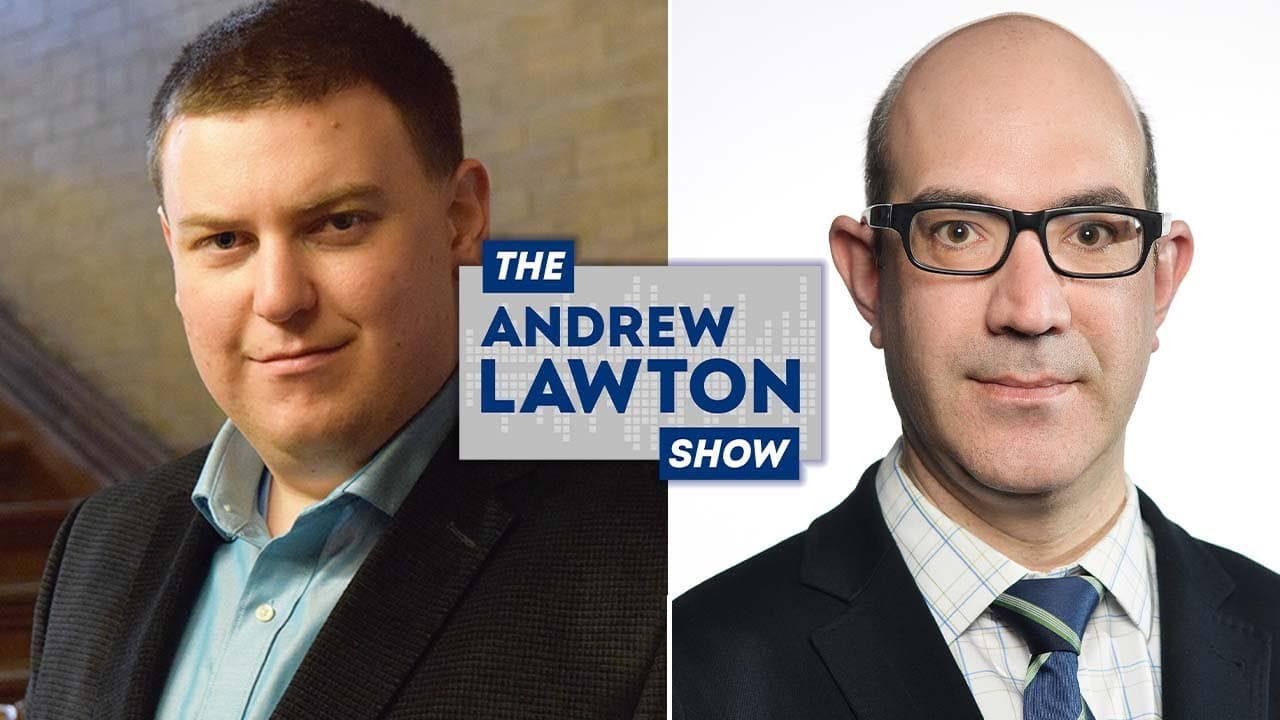
you're tuned in to the andrew lawton show and joining me now to talk about this campaign is the campaign director of fight equalization also the alberta director for the canadian taxpayers federation kevin lacy kevin thanks for coming on today andrew thanks for having me so we we've got a few weeks left until the referendum for those who haven't be... Read More
Key Insights
- 🥺 Alberta contributes significantly more to the federal equalization system than it receives, leading to widespread discontent among residents.
- ❓ Quebec's substantial share of equalization payments creates resentment, especially as the province challenges Alberta's energy industry.
- 🛄 The upcoming referendum aims to empower Albertans in asserting their grievances regarding the unequal distribution of federal funds.
- 🥺 Many Albertans believe that reforming the equalization system could lead to better resource management and acknowledgment of their contributions.
- 🧚 The campaign to change the equalization formula is framed as a necessary step for fairer treatment in Canadian fiscal policies.
- 😀 Economic downturns have exacerbated feelings of injustice among Albertans, as they continue to make payments while facing service cuts at home.
- 🎓 Strategies undertaken by the campaign include education and outreach efforts to increase voter engagement ahead of the referendum.
Install to Summarize YouTube Videos and Get Transcripts
Explore YouTube Video Summarizer or Get YouTube Transcript Extractor
Questions & Answers
Q: Why are taxpayer advocates campaigning against equalization in Alberta?
The campaign argues that Alberta has contributed far more than it has received while facing opposition to its energy resources and pipelines. It wants the equalization system reformed and Alberta’s grievances recognized by the federal government and recipient provinces.
Q: What does Alberta’s equalization referendum ask voters?
The referendum asks whether equalization should be removed from the Constitution. Kevin Lacy describes the vote as a way to establish what Alberta expects in future negotiations over the system.
Q: When is Alberta’s equalization referendum?
The referendum is scheduled for October 18. The campaign is using the remaining weeks to educate voters and encourage participation.
Q: How much equalization funding does Quebec receive?
Kevin Lacy says the total equalization envelope is about $20 billion and Quebec receives about $13 billion. He calculates that as 65% of all equalization dollars, or roughly $1,500 per Quebec resident.
Q: Why does the campaign focus on Quebec’s position toward Alberta?
The campaign objects to Quebec receiving a large share of equalization funding while rejecting Canadian resources, particularly Alberta’s resources. Lacy presents this as a failure to show goodwill toward a province contributing a large portion of the money.
Q: Does the campaign want reform or the complete abolition of equalization?
Lacy says the campaign particularly wants reform of the system. Although the referendum question concerns removing equalization from the Constitution, he frames it as a political marker intended to strengthen Alberta’s position in future negotiations.
Q: How did Alberta’s economic downturn affect opposition to equalization?
The downturn in Alberta’s oil and gas sector made continued equalization obligations harder for residents to accept. Lacy notes that Alberta experienced double-digit unemployment at one point during roughly six and a half difficult years.
Q: Which Alberta leaders previously challenged the equalization system?
The discussion identifies Peter Lougheed, Ralph Klein, and Rachel Notley as Alberta premiers who raised concerns or confronted Ottawa over equalization. According to Lacy, the payments continued and the system did not change, leading Premier Jason Kenney to pursue the referendum.
Summary & Key Takeaways
-
The discussion focuses on Alberta's ongoing struggle with the equalization formula, which sees the province contributing significantly more than it receives, highlighting a sense of injustice among Albertans.
-
Kevin Lacy argues that the current equalization system favors Quebec, as the province receives a large share of federal funds while actively rejecting Alberta's energy resources, exacerbating tensions.
-
The referendum on October 18 aims to gauge public support for removing equalization from the constitution, reflecting the growing discontent among Albertans regarding the perceived misallocation of their tax dollars.
Read in Other Languages (beta)
Share This Summary 📚
Summarize YouTube Videos and Get Video Transcripts with 1-Click
Try YouTube Summary with ChatGPT & Claude or YouTube Transcript Generator
Explore More Summaries from True North 📚



Summarize YouTube Videos and Get Video Transcripts with 1-Click
Try YouTube Summary with ChatGPT & Claude or YouTube Transcript Generator