Why Might the Pandemic Be “a Civilizational Change”?
TL;DR
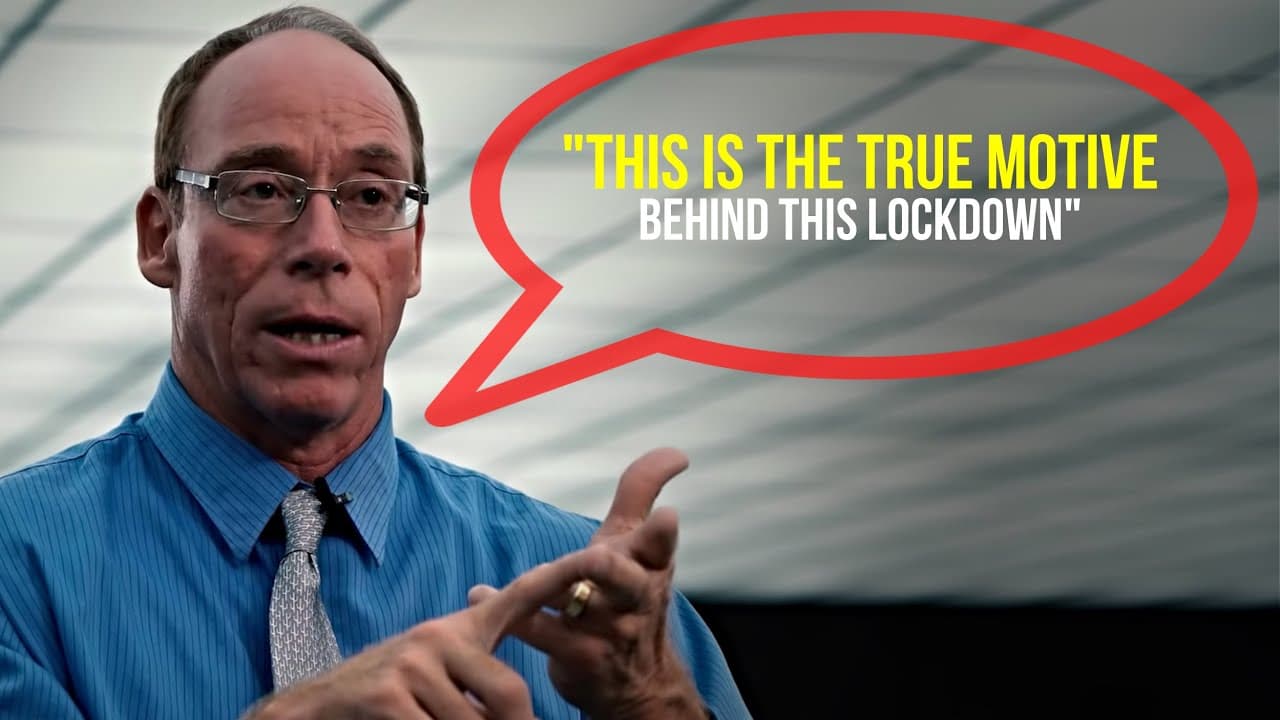
The pandemic may cause a civilizational change because its effects on livelihoods, the economy, unemployment, and social systems could outlast the virus itself. Social isolation is intended to prevent one large surge so healthcare systems can manage cases, while the speaker expects the crisis to expose cracks in society and shape a “new normal.” Read on for the speaker’s explanation of isolation, immunity, prevention, and lasting social change.
Transcript
they think 50 to 70% of all of us will get exposed to it so by social isolation the thinking is we're not going to stop it people are still going to get this it's still going to be transmitted but it's not going to be that big that big hump that's what the the isolation is all about the reason we're all on lockdown or social distancing is that they... Read More
Key Insights
- 🧑⚕️ Social isolation attempts to mitigate virus transmission while preparing public health systems for potential spikes in cases.
- 🛟 The biological definition of life excludes viruses, necessitating a focus on deactivation rather than destruction.
- 🍵 The immune response encompasses a variety of mechanisms, including fever and antibody production, to handle viral threats effectively.
- 🧑⚕️ Natural solutions, like specific mushrooms, can enhance immune response and contribute to overall health during viral outbreaks.
- 🧑⚕️ Societal changes driven by the pandemic may result in sustainable practices and a re-evaluation of public health priorities.
- 💉 The pandemic's emotional impact suggests a need for increased awareness of mental health's importance.
- 🦮 Understanding the virus's structure helps explain infection mechanisms, guiding preventative measures.
Install to Summarize YouTube Videos and Get Transcripts
Explore YouTube Video Summarizer or Get YouTube Transcript Extractor
Questions & Answers
Q: Why might the pandemic be a civilizational change?
The speaker believes the pandemic’s social effects could be more devastating and longer-lasting than the virus itself. Its impact on the economy, unemployment, livelihoods, and strained social systems may create a “new normal” shaped by the choices people make now.
Q: What is the purpose of social isolation and lockdowns?
Social isolation is meant to prevent infections from forming one large surge that overwhelms healthcare systems, not necessarily to stop every transmission. The approach assumes that people may carry the virus without knowing it because there are not enough tests.
Q: How many people does the speaker say may be exposed to the virus?
The speaker says estimates suggest that 50% to 70% of people will be exposed. Isolation is therefore presented as a way to spread cases over time so the healthcare system can manage them.
Q: What could happen after the quarantine period ends?
In an ideal outcome, strict isolation would allow the virus to burn itself out and people could resume their lives. The speaker considers it more realistic that the virus will remain viable in parts of the population because not everyone follows the recommendations.
Q: Why does the speaker say a virus is not alive?
The speaker says a virus does not meet the biological definition of life and describes it as genetic information wrapped in a lipid-protein shell. Because it is not alive, the goal is to deactivate it rather than kill it.
Q: How does handwashing deactivate the virus according to the speaker?
The speaker says washing hands breaks down the virus’s protective outer shell. Once that shell is disrupted, the genetic information inside is no longer viable.
Q: How does the body respond to the virus?
The speaker says white blood cells identify and attack the virus while the body begins creating antibodies. The body also produces a fever to raise its core temperature and become less hospitable to the virus.
Q: Why does the speaker recommend maintaining physical and mental health?
The speaker warns that inactivity, anxiety, poor eating, and lack of exercise can damage the immune system. According to the speaker, a weakened immune system can make someone much sicker if they contract the virus.
Summary & Key Takeaways
-
The current social isolation measures aim to reduce virus transmission and protect the healthcare system, assuming many are unknowingly infected.
-
Understanding the nature of viruses is crucial; they are not alive, and actions like handwashing deactivate them, protecting our health.
-
The societal impact of the virus may be more severe than the health risks, potentially instigating long-lasting changes in our civilization and behaviors.
Read in Other Languages (beta)
Share This Summary 📚
Summarize YouTube Videos and Get Video Transcripts with 1-Click
Try YouTube Summary with ChatGPT & Claude or YouTube Transcript Generator
Explore More Summaries from Video Advice 📚

Summarize YouTube Videos and Get Video Transcripts with 1-Click
Try YouTube Summary with ChatGPT & Claude or YouTube Transcript Generator