Making Games: Designing for Play
TL;DR
This seminar introduces the concept of designing games for play and explores the importance of incorporating both adult skills and childlike wonder in game design.
Transcript
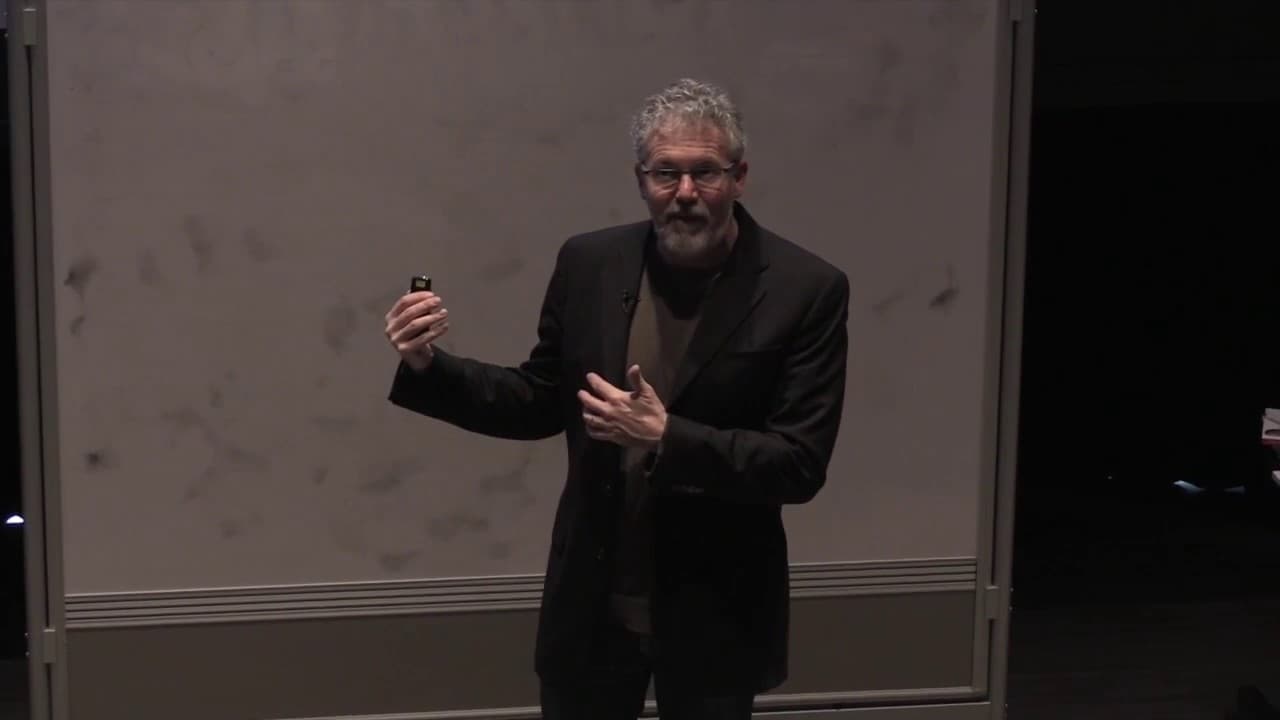
[Applause] welcome everyone to today's seminar so it's a pleasure to introduce today's speaker Dan Klein who is an improviser and also a lecturer here at Stanford he's affiliated with the Graduate School of Business and also over the department of theater and performance and then teaches the number of topics especially creativity communication stor... Read More
Key Insights
- 🖐️ Play is a crucial component of childhood development and helps us learn about the world.
- 😃 Many individuals feel a loss of creativity and joy as they grow up, but there are ways to bring back that childlike wonder.
- 👾 Designing games that combine adult skills with playful elements can create engaging and enjoyable experiences.
- 🎮 Play personalities and past play experiences can inform game design and help create personalized games.
- 🥺 Adding elements of play to serious or dangerous contexts can lead to better performance and stronger bonds.
- 👾 Designers should strike a balance between rules and freedom in game design to foster creativity and engagement.
- 😉 Games that encourage collaboration, rather than solely focusing on winning or losing, are more likely to create a positive and enjoyable experience.
Install to Summarize YouTube Videos and Get Transcripts
Explore YouTube Video Summarizer or Get YouTube Transcript Extractor
Questions & Answers
Q: How does play contribute to learning and understanding the world?
Play enables us to learn about physics, social dynamics, and our own bodies and imagination. It is a vital part of childhood development.
Q: What are the challenges in designing games that balance adult skills and childlike wonder?
One challenge is finding the right mix of rules and freedom. Too many rules can stifle creativity, while too much freedom may lead to chaos. Additionally, it is important to create an environment where winning or losing is not the sole focus.
Q: How can play be incorporated into different contexts, even serious or dangerous ones?
By adding elements of play, such as games and interactive activities, to serious or dangerous contexts, individuals can be more engaged, bond faster, and improve their performance.
Q: How can game designers personalize games for different individuals?
Understanding a person's play personality and past play experiences can help game designers tailor games to their preferences. This can lead to more enjoyable and meaningful experiences.
Summary & Key Takeaways
-
Play is a fundamental part of learning, enabling us to understand the world and develop social skills.
-
Growing up often leads to a loss of creativity and joy, but it is possible to marry adult skills with childlike wonder.
-
The seminar discusses valuable ideas for designing games that combine goal-setting and execution with a sense of fun and exploration.
Read in Other Languages (beta)
Share This Summary 📚
Summarize YouTube Videos and Get Video Transcripts with 1-Click
Try YouTube Summary with ChatGPT & Claude or YouTube Transcript Generator
Explore More Summaries from Stanford 📚






Summarize YouTube Videos and Get Video Transcripts with 1-Click
Try YouTube Summary with ChatGPT & Claude or YouTube Transcript Generator