Which Single Malt Scotch Brands Offer Real Value?
TL;DR
Better value comes from bottles that combine competitive prices with higher alcohol strength, thoughtful cask maturation, and limited processing. The strongest examples presented are Tomatin 12, Glen Garioch 12, Benromach 10, BenRiach the 12, and Deanston 12, while several famous expressions are criticized for price increases, chill filtration, caramel coloring, or reduced character.
Transcript
Every year, the Scotch whisky industry ships over 1.4 billion bottles worldwide. And every year, the biggest brands quietly raise their prices, water down their product to the legal minimum, and strip out flavor with chill filtration so it looks prettier on the shelf. You are paying for the label, not the liquid. Today, we are calling out seven sin... Read More
Key Insights
- The video's value framework is based on price, alcohol strength, filtration, coloring, cask maturation, and flavor character. Famous branding and older age statements are treated skeptically when a bottle offers only 40% or 43% alcohol by volume, chill filtration, caramel coloring, or limited complexity.
- The Singleton 12 is a Diageo brand applied to whisky from Glen Ord, Dufftown, or Glendullan depending on the market. It is bottled at 40%, chill filtered, colored with caramel, and priced around $35–$50, making its uniform branding a poor guide to the liquid inside.
- Bowmore 12 is criticized because its official bottling is 40%, chill filtered, colored with caramel, and associated with sharply divided tasting experiences. The transcript argues that independent Bowmore bottlings at cask strength and without chill filtration demonstrate that the underlying distillery spirit can be excellent.
- Talisker 10 is presented as a pricing problem rather than a fundamentally poor whisky. Its 45.8% alcohol strength and sea salt, black pepper, and campfire smoke profile remain respectable, but its reported rise from $45–$50 to $60–$80 has weakened its value proposition.
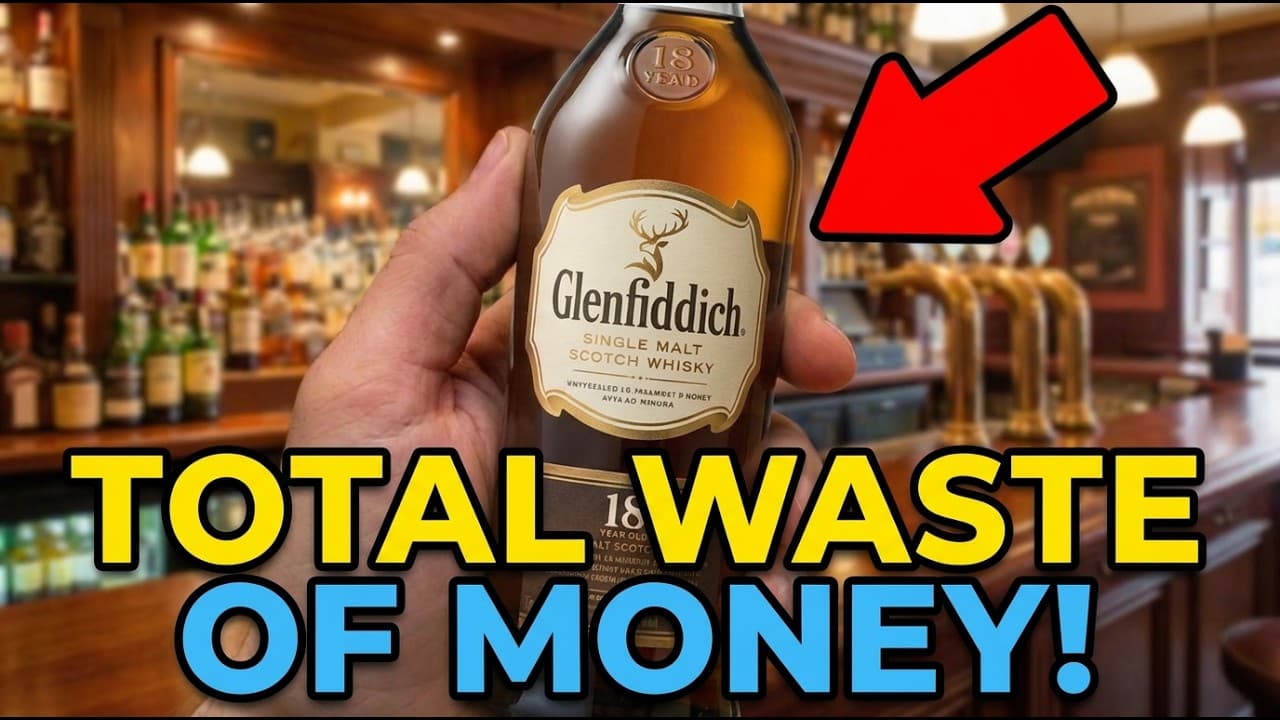
- Glenfiddich 18 is portrayed as less compelling than Glenfiddich 15. The 18-year-old costs $120–$180, is bottled at 40% in the UK and 43% in the US, and remains chill filtered, while the cheaper 15-year-old using a solera system reportedly receives better reviews.
- Tomatin 12 is recommended as an affordable Highland malt using bourbon barrels and sherry casks. At 43% alcohol by volume and about $30–$45, it offers baked apple, vanilla, butterscotch, and warm cinnamon, while limited brand recognition helps keep the price below more famous competitors.
- Glen Garioch 12 is bottled at 48%, is not chill filtered, and matures in bourbon and sherry casks. Priced around $45–$60, it delivers sweet porridge, brown sugar, baked pears, and a salty finish, showing how higher strength can preserve weight and texture.
- Deanston 12 is the clearest example of transparent presentation in the transcript. It is bottled at 46.3%, is non-chill filtered, contains no caramel coloring, retains its natural color, and costs $40–$60, placing it below the cited prices of Oban and Balvenie DoubleWood.
Install to Summarize YouTube Videos and Get Transcripts
Explore YouTube Video Summarizer or Get YouTube Transcript Extractor
Questions & Answers
Q: How can you identify a good-value single malt Scotch?
A good-value single malt should be judged by more than its label or age statement. The comparison favors bottles with higher alcohol strength, no chill filtration, natural color, thoughtful cask maturation, and prices that reflect the liquid rather than brand recognition. Deanston 12, Glen Garioch 12, BenRiach the 12, Benromach 10, and Tomatin 12 illustrate different combinations of these qualities.
Q: Why is the Singleton 12 criticized as poor value?
The Singleton 12 is criticized because one brand name covers whisky from three different distilleries depending on the market: Glen Ord in Asia, Dufftown in Europe, and Glendullan in North America. The whisky is bottled at 40%, chill filtered, colored with caramel, and priced around $35–$50. The analysis characterizes it as a volume-oriented product whose branding conceals meaningful regional differences.
Q: Is Bowmore 12 bad whisky or simply heavily processed?
The criticism focuses primarily on how the official Bowmore 12 bottling is presented. It is bottled at 40%, chill filtered, and given caramel coloring, while reviews reportedly range from beautifully balanced to wet cardboard and burnt plastic. Independent bottlings from Bowmore casks can be excellent at cask strength without chill filtration, suggesting that the underlying spirit is not the central problem.
Q: Why is Talisker 10 no longer considered an easy recommendation?
Talisker 10 is still described as a respectable 45.8% peated island malt with sea salt, black pepper, and campfire smoke. The problem is its price, which reportedly moved from about $45–$50 five years earlier to $60–$80. With some critics also finding recent bottlings diminished, it now competes against less expensive whiskies offering equal or better quality.
Q: Is Balvenie 12 DoubleWood worth its current price?
Balvenie 12 DoubleWood is described as pleasant rather than poor. It matures for 12 years in bourbon casks and then spends 9 months in oloroso sherry, producing honey, vanilla, and dried-fruit notes. However, its price reportedly increased from $30–$40 to $65–$80. At 43% with chill filtration, the analysis argues that its reputation now contributes heavily to the cost.
Q: What makes Tomatin 12 a strong value option?
Tomatin 12 combines bourbon-barrel and sherry-cask maturation with a price of about $30–$45 and a bottling strength of 43%. Its stated flavors include baked apple, vanilla, butterscotch, and warm cinnamon. The distillery produces more than 5 million liters annually, much of it for blends, while limited single-malt name recognition helps prevent a large brand premium from being added to the bottle.
Q: Why is Glen Garioch 12 recommended over Bowmore 12?
Glen Garioch 12 and Bowmore 12 share the same owner, Beam Suntory, but their presentations differ sharply. Glen Garioch is bottled at 48%, is non-chill filtered, uses bourbon and sherry casks, and costs about $45–$60. Bowmore is bottled at 40%, chill filtered, and colored with caramel. Glen Garioch therefore offers greater strength and less processing for similar money.
Q: What distinguishes BenRiach the 12 from larger Speyside brands?
BenRiach the 12 was reformulated in 2020 under master blender Rachel Barrie. It is matured in three cask types, bourbon, sherry, and port, bottled at 46%, and not chill filtered. At $55–$65, it offers dark berry fruit and chocolate from the port influence. The transcript contrasts this stronger presentation and cask work with the more processed Glenlivet 18.
Summary & Key Takeaways
-
The central argument is that brand reputation does not guarantee value. The criticized bottles include the Singleton 12, Bowmore 12, Talisker 10, Balvenie 12 DoubleWood, Glenlivet 18, Oban 14, and Glenfiddich 18. Their recurring weaknesses are higher prices, low bottling strength, industrial processing, inconsistency, or insufficient complexity.
-
The recommended alternatives emphasize stronger presentation and competitive pricing. Tomatin 12 costs about $30–$45, Glen Garioch 12 offers 48% alcohol by volume without chill filtration, Benromach 10 combines bourbon and sherry maturation with light peat, and BenRiach the 12 uses bourbon, sherry, and port casks at 46%.
-
Deanston 12 most clearly represents the stated value standard: 46.3% alcohol by volume, non-chill filtration, natural color, no caramel coloring, and a price of $40–$60. Across the comparison, buyers are encouraged to examine strength, filtration, coloring, cask choices, and price instead of relying primarily on age statements or famous labels.
Read in Other Languages (beta)
Share This Summary 📚
Summarize YouTube Videos and Get Video Transcripts with 1-Click
Try YouTube Summary with ChatGPT & Claude or YouTube Transcript Generator