How Can Liberals and Conservatives Collaborate on Poverty?
TL;DR
To effectively address poverty, liberals and conservatives must unite around shared values of compassion and economic freedom. Despite political polarization, the decline of global poverty by 80% since the 1970s highlights the benefits of collaboration in promoting entrepreneurship and free markets. Embracing diverse ideologies and prioritizing cooperation over division is essential for future progress.
Transcript
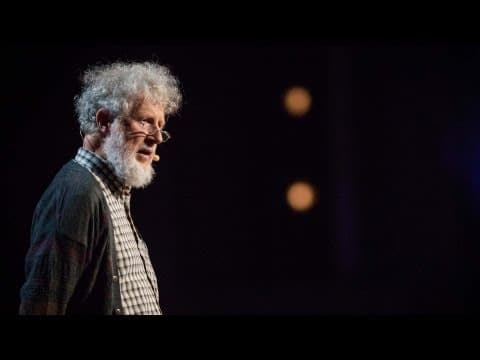
I come from one of the most liberal, tolerant, progressive places in the United States, Seattle, Washington. And I grew up with a family of great Seattlites. My mother was an artist, my father was a college professor, and I am truly grateful for my upbringing, because I always felt completely comfortable designing my life exactly as I saw fit. And ... Read More
Key Insights
- 🎵 The speaker grew up in a liberal, progressive environment in Seattle, Washington and followed a non-traditional career path as a French horn player.
- 🌍 The speaker developed a lifelong interest in poverty and its global impact.
- 💡 Contrary to popular belief, poverty has actually declined by 80% since the speaker's childhood.
- 🌐 The speaker attributes this decline in poverty to globalization, free trade, property rights, the rule of law, and entrepreneurship.
- 🤝 Political polarization is a pressing issue in America, with individuals assuming their ideology is based in love while their opponent's ideology is based in hate.
- 🔁 To address this polarization, liberals and conservatives need to come together and focus on poverty mitigation and economic freedom.
- 💪 Individuals should blur the lines between ideologies, becoming advocates for both poverty relief and responsible use of free markets.
- 🌟 It is essential to foster competition of ideas and promote unity, respect, and solidarity between ideological differences.
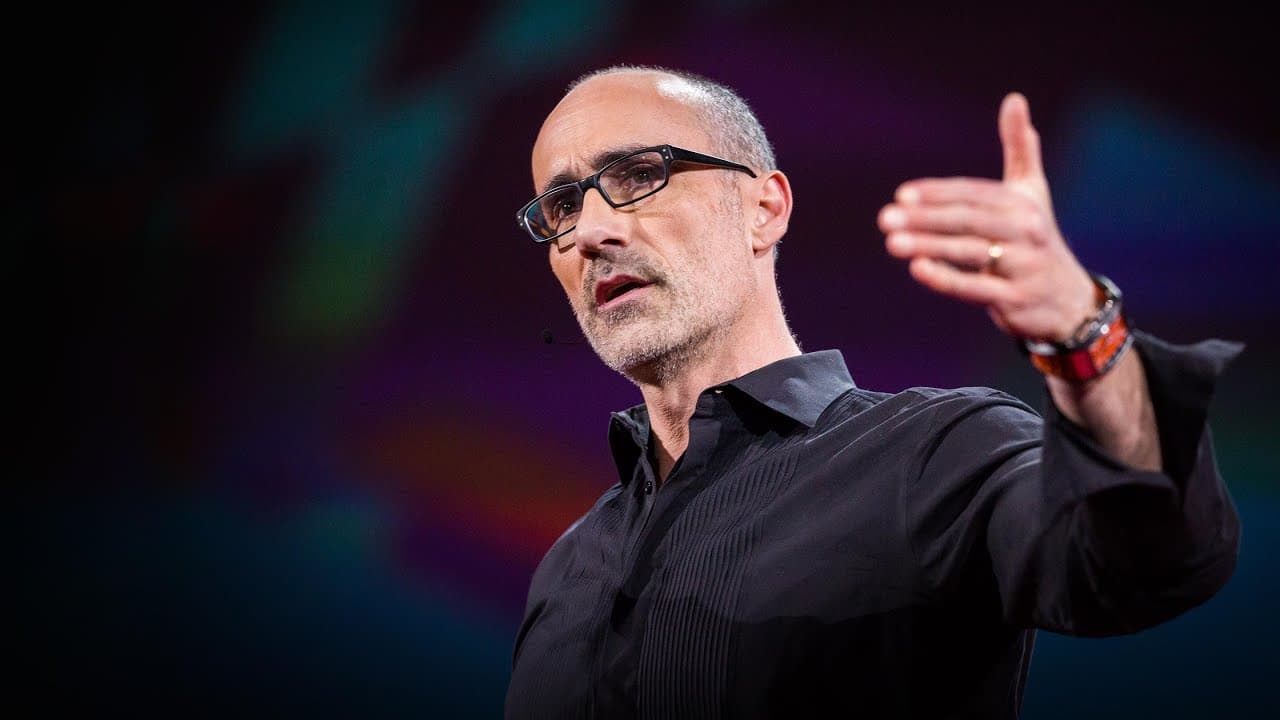
- 🎙️ More videos with Arthur Brooks:
Install to Summarize YouTube Videos and Get Transcripts
Explore YouTube Video Summarizer or Get YouTube Transcript Extractor
Questions & Answers
Q: Where is the speaker from and what was their upbringing like?
The speaker is from Seattle, Washington, which is known for being a liberal, tolerant, and progressive place. They grew up in a family of artists and academics, with a mother who was an artist and a father who was a college professor.
Q: What did the speaker do after dropping out of college?
After dropping out of college, the speaker pursued their lifelong dream of becoming a professional French horn player. They played chamber music all over the United States and Europe and even toured with a jazz guitar player named Charlie Bird. Eventually, they became a member of the Barcelona Symphony Orchestra in Spain.
Q: What was the conversation like between the speaker and their mother regarding their lifestyle?
During a visit home for Christmas, the speaker's mother expressed concern about their lifestyle. She asked if the speaker had been voting for Republicans, which indicated her worry. The speaker, who wasn't very political, realized that their enthusiasm for capitalism had caused some confusion and led to this awkward conversation.
Q: What epiphany did the speaker have about poverty and capitalism?
The speaker had an epiphany about poverty when they saw a picture in National Geographic magazine as a child. They became interested in studying poverty and discovering what had happened to the world's poorest people. They found that poverty had actually decreased by 80% since their childhood, and it was the spread of the free enterprise system, driven by globalization, free trade, property rights, the rule of law, and entrepreneurship, that had made it possible.
Q: Why does the speaker believe that coming together around ideas of poverty alleviation can help solve the polarization crisis in America?
The speaker believes that political polarization in America has reached critical levels and that it is important to find common ground. They emphasize the need for liberals and conservatives to work together in order to effectively help those in need. By recognizing the strengths of each ideological perspective and working towards a shared goal of poverty alleviation, they believe it is possible to bridge the political divide and foster mutual respect.
Summary & Key Takeaways
-
The speaker, originally from Seattle, took a different path in life than his parents had expected, becoming a French horn player and traveling around the world.
-
He had an epiphany about poverty and learned that it has actually decreased by 80% since the 1970s due to globalization, free trade, property rights, rule of law, and entrepreneurship.
-
The speaker believes that liberals and conservatives need to come together to help lift people out of poverty, and that being open-minded and less predictable in our ideologies can lead to progress and mutual respect.
Read in Other Languages (beta)
Share This Summary 📚
Summarize YouTube Videos and Get Video Transcripts with 1-Click
Try YouTube Summary with ChatGPT & Claude or YouTube Transcript Generator
Explore More Summaries from TED 📚


Summarize YouTube Videos and Get Video Transcripts with 1-Click
Try YouTube Summary with ChatGPT & Claude or YouTube Transcript Generator