What Happened This Week at NASA? SpaceX Crew-3, Bill Nelson, Pam Melroy, Orion, SLS, X-59 and AAM, May 21, 2021
TL;DR
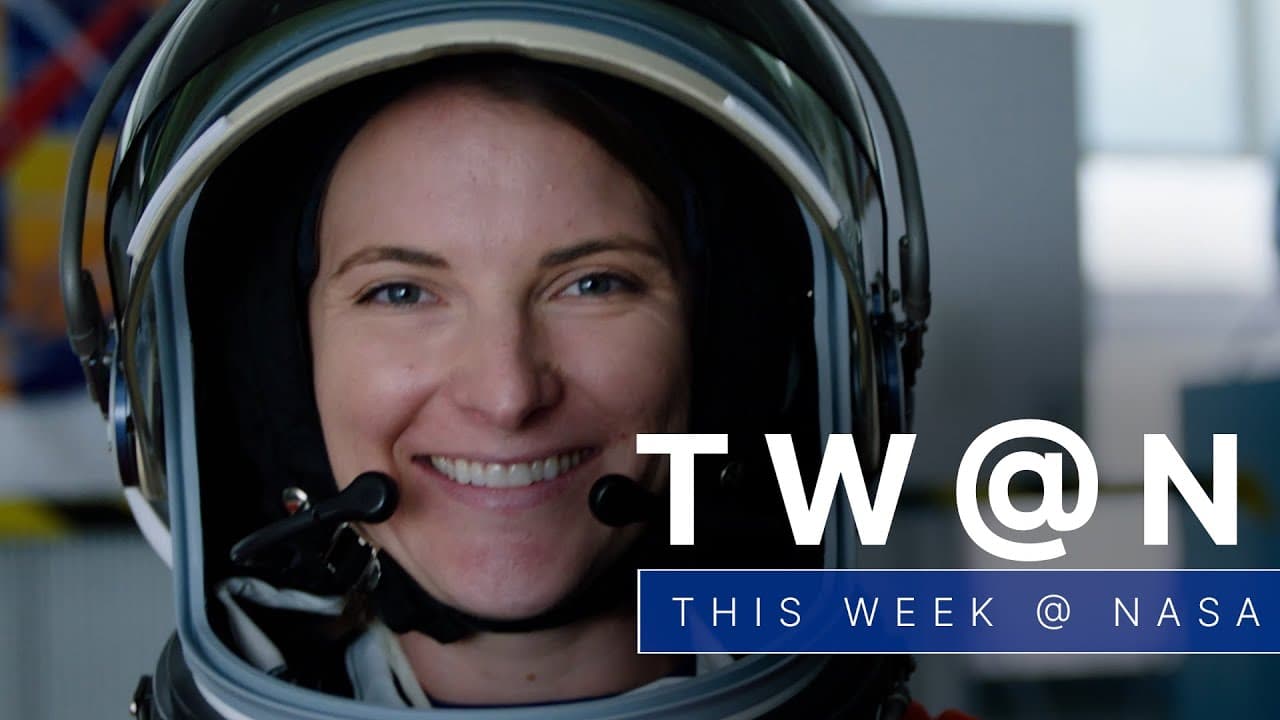
NASA added Kayla Barron to SpaceX Crew-3, advanced its Fiscal Year 2022 budget request, and tested systems supporting Artemis, the X-59 and Advanced Air Mobility. Barron was expected to launch to the International Space Station as early as Oct. 23 with Tom Marshburn, Raja Chari and Matthias Maurer. Read on for the specific assignments, testimony, qualifications and engineering objectives behind these updates.
Transcript
An addition to a future Commercial Crew mission … Our administrator discusses the budget request for NASA … And NASA’s deputy administrator nominee appears before the Senate … a few of the stories to tell you about – This Week at NASA! NASA astronaut Kayla Barron has been assigned to our SpaceX Crew-3 mission to the International Space Station, exp... Read More
Key Insights
- Barron completed the announced crew: Kayla Barron’s assignment placed her alongside Tom Marshburn, Raja Chari and Matthias Maurer on SpaceX Crew-3. The update identified Marshburn and Chari as NASA astronauts and Maurer as a European Space Agency astronaut, showing that the planned International Space Station rotation combined NASA and international participation.
- Crew-3 had a defined role: SpaceX Crew-3 was identified as SpaceX’s third crew rotation mission to the International Space Station for NASA’s Commercial Crew Program. Its expected launch date was stated as early as Oct. 23, which framed Barron’s assignment as an addition to a mission already approaching a planned launch window.
- The request covered broad work: The president’s Fiscal Year 2022 request sought $24.7 billion for NASA. Nelson explained that this funding supported a wide range of programs and activities, rather than only human spaceflight. He specifically connected the agency’s upcoming period with milestones in exploration, astronomy, science, STEM education and aeronautics.
- SLS led Nelson’s milestones: During the May 19 virtual House hearing, Nelson emphasized the first maiden flight of the Space Launch System. He described SLS as the largest and most powerful rocket ever. The testimony positioned that initial flight as one of the major NASA events expected during the following year.
- Webb would follow SLS: Nelson also highlighted the planned launch of the James Webb Telescope later in the year. He said Webb would replace the Hubble Space Telescope and capture light from far distant galaxies. The budget testimony therefore connected NASA’s request with both a new launch vehicle and a major space telescope.
- Melroy emphasized immediate readiness: At her May 20 confirmation hearing, Pam Melroy said she had worked in aerospace throughout her career and had experience in each of NASA’s four mission areas. She presented that breadth as preparation to help Administrator Nelson lead and manage NASA from her first day if the Senate confirmed her.
- Melroy brought flight experience: The deputy administrator nominee was a veteran of three spaceflights and had logged more than 38 days in space. She was also one of only two women to command a space shuttle. These details supplied a concrete operational basis for her claim of readiness to help lead NASA.
- Orion tests recreated splashdown forces: Langley engineers used water impact drop tests to better understand what the Orion spacecraft and its crew might experience during splashdown landings. Those landings occur at the end of future Artemis Moon missions, so the series focused on conditions affecting both the vehicle and astronauts during return.
- Drop data supported Artemis II: Information collected during Orion’s water impact tests was also intended to verify that the spacecraft meets structural design requirements. NASA tied this verification directly to preparations for Artemis II, identified in the update as the first Artemis mission to the Moon that will carry astronauts.
- Four engines will power SLS: The May 20 RS-25 test at Stennis continued a series supporting engine development and production. NASA stated that four RS-25 engines will power the Space Launch System during future Artemis missions, including flights intended to land the first woman and first person of color on the Moon.
- ALIGNS positioned the chase aircraft: The Airborne Location Integrating Geospatial Navigation System will help a chase aircraft move into different positions relative to the X-59. Because that aircraft will gather acoustic information during supersonic flights, accurate positioning is necessary to collect the most accurate data for validating the airplane’s sound performance.
- A helicopter represented future vehicles: Armstrong’s integrated dry run used a helicopter in place of an urban air mobility vehicle. The envisioned vehicles might carry people or cargo through airspace above urban areas. NASA, the Federal Aviation Administration and partner companies were combining their work to create a safe new air transportation system for them.
Install to Summarize YouTube Videos and Get Transcripts
Explore YouTube Video Summarizer or Get YouTube Transcript Extractor
Questions & Answers
Q: Who was added to SpaceX Crew-3, and who were the other crew members?
NASA assigned astronaut Kayla Barron to SpaceX Crew-3 for a mission to the International Space Station. She joined NASA astronauts Tom Marshburn and Raja Chari, plus European Space Agency astronaut Matthias Maurer. The mission was expected to launch as early as Oct. 23. It was SpaceX’s third crew rotation mission for NASA’s Commercial Crew Program.
Q: What did Bill Nelson say about NASA’s Fiscal Year 2022 budget request?
Administrator Sen. Bill Nelson discussed the president’s $24.7 billion Fiscal Year 2022 NASA request during a May 19 virtual House hearing. He said it supported a wide range of NASA programs and activities. He highlighted the first maiden flight of SLS and the planned James Webb Telescope launch. He also cited upcoming milestones in science, STEM education and aeronautics.
Q: Why did Nelson highlight SLS and the James Webb Telescope?
Nelson presented both projects as major milestones expected during an active period for NASA. He described SLS as the largest and most powerful rocket ever and pointed to its first maiden flight. He said the James Webb Telescope would launch later in the year and replace Hubble. Webb’s purpose included capturing light from far distant galaxies.
Q: Who was nominated as NASA’s next deputy administrator?
The president nominated former NASA astronaut Pam Melroy to become NASA’s next deputy administrator. She appeared before the Senate Committee on Commerce, Science, and Transportation on May 20 for a confirmation hearing. Melroy said her aerospace career gave her experience in all four NASA mission areas. If confirmed, she said she was ready to help Nelson lead and manage the agency immediately.
Q: What qualifications did Pam Melroy bring to the nomination?
Pam Melroy had worked in aerospace throughout her career and reported experience in each of NASA’s four mission areas. She was a veteran of three spaceflights. Across those flights, she logged more than 38 days in space. She was also one of only two women to command a space shuttle.
Q: Why did NASA conduct Orion water impact drop tests?
Engineers conducted the tests to understand what Orion and its crew may experience during splashdown water landings. Such landings will conclude future Artemis Moon missions. NASA also uses the resulting data to verify that Orion fulfills its structural design requirements. That verification supports preparation for Artemis II, the first Artemis Moon mission with astronauts.
Q: How do the RS-25 engine tests support future Artemis missions?
Engineers at Stennis Space Center tested an RS-25 engine on May 20. The test continued a series supporting the development and production of these engines. Four RS-25 engines will power the Space Launch System rocket on future Artemis missions. Those missions include flights intended to land the first woman and first person of color on the Moon.
Q: How will ALIGNS help validate the X-59’s acoustic performance?
ALIGNS will guide an acoustics-gathering chase aircraft into various positions relative to the X-59 during supersonic flights. Those positions help the aircraft collect the most accurate acoustic data. NASA will use the data to validate the X-59 Quiet SuperSonic Technology airplane’s sound performance. The flights are designed to confirm that its sonic thump is as quiet as intended and quieter than a typical sonic boom.
Summary & Key Takeaways
-
Expanding the Crew-3 team: NASA assigned astronaut Kayla Barron to SpaceX Crew-3, the company’s third crew rotation mission to the International Space Station under the Commercial Crew Program. The mission was expected to launch as early as Oct. 23. Barron joined NASA astronauts Tom Marshburn and Raja Chari, along with European Space Agency astronaut Matthias Maurer, completing the crew lineup described in the update.
-
Presenting NASA’s budget request: Administrator Sen. Bill Nelson testified at a May 19 virtual House hearing about the president’s Fiscal Year 2022 request for NASA. The proposed $24.7 billion supported a wide range of agency programs and activities. Nelson highlighted the first maiden flight of the Space Launch System rocket and the planned James Webb Telescope launch, while also pointing to upcoming work in science, STEM education and aeronautics.
-
Considering NASA’s deputy administrator: On May 20, former NASA astronaut Pam Melroy appeared before the Senate Committee on Commerce, Science, and Transportation for her confirmation hearing on Capitol Hill. The president’s nominee said her aerospace career included experience across NASA’s four mission areas and that she was prepared to help Nelson lead the agency immediately. Melroy had completed three spaceflights, spent more than 38 days in space and was one of only two women to command a space shuttle.
-
Testing systems for Artemis: Engineers at Langley Research Center completed water impact drop tests to study what Orion and its crew could experience during splashdown after future Artemis Moon missions. The resulting data would help verify Orion’s structural design requirements before Artemis II. At Stennis Space Center, engineers also tested an RS-25 engine. Four RS-25 engines will power the Space Launch System during future Artemis missions.
-
Preparing future flight operations: NASA flight tested the Airborne Location Integrating Geospatial Navigation System, or ALIGNS, for future acoustic validation flights involving the X-59 Quiet SuperSonic Technology airplane. NASA also completed integrated dry run testing for its Advanced Air Mobility National Campaign at Armstrong Flight Research Center. A helicopter represented an urban air mobility vehicle while NASA, the Federal Aviation Administration and partner companies worked toward a safe transportation system for vehicles carrying people or cargo above urban areas.
Read in Other Languages (beta)
Share This Summary 📚
Summarize YouTube Videos and Get Video Transcripts with 1-Click
Try YouTube Summary with ChatGPT & Claude or YouTube Transcript Generator
Explore More Summaries from NASA 📚
Summarize YouTube Videos and Get Video Transcripts with 1-Click
Try YouTube Summary with ChatGPT & Claude or YouTube Transcript Generator