10 Good Games That Flopped in Sales
TL;DR
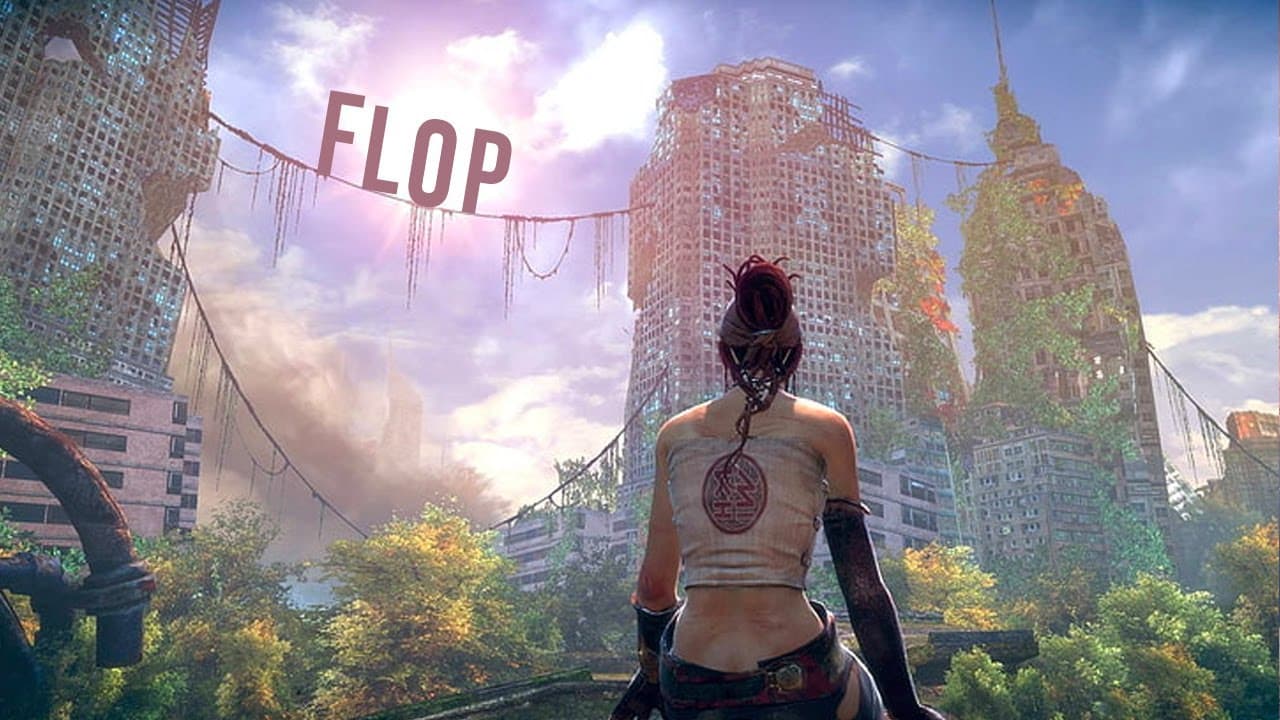
Great games flop in sales for reasons that have little to do with quality: bad timing, thin marketing, or a crowded market. The Evil Within sold 800,000 units in its first week, yet its improved sequel managed only about 200,000; Blur sold 500,000 and was still branded a failure by Activision, which closed developer Bizarre Creations in 2011. See which ten acclaimed titles the market left behind, and why sales and quality so often disconnect.
Transcript
(digital chiming) - [Falcon] Making a good game and selling it are two different things. A game developer could spend tons and tons of time working their asses off, making a great game. And whether you don't know anything about marketing, or the climate's just bad for the game, very few people might buy it. Hi, folks, it's Falcon, and today on "Gam... Read More
Key Insights
- 👾 Many great games, despite critical acclaim and innovation, struggle to achieve commercial success, a phenomenon termed the "immersive sim curse."
- 👾 Timing is crucial; games launched alongside highly anticipated titles often suffer due to market oversaturation and competition for player attention.
- 🫢 The novelty and initial shock appeal significantly influence player engagement; sequels often struggle if they fail to capture this essence again.
- 👾 Marketing and visibility are essential; without proper promotion, even outstanding games may go unnoticed by their target audience.
- 😀 Games with complex mechanics or unorthodox premises can face challenges in conveying their value propositions to potential players.
- 🥺 The disconnect between industry expectations and actual sales performance leads to many talented studios and innovative projects being sidelined or shut down.
- 🥺 Complacency in sequel production may lead to underperforming titles; developers need to actively manage player anticipation and interest.
Install to Summarize YouTube Videos and Get Transcripts
Explore YouTube Video Summarizer or Get YouTube Transcript Extractor
Questions & Answers
Q: How many units did The Evil Within sell, and how did The Evil Within 2 compare?
The original Evil Within sold 800,000 units in a single week, while The Evil Within 2 managed only around 200,000. Part of that gap is because the figures counted physical sales only, during the transition to digital. Even factoring in digital numbers, the sequel sold significantly less than the first game.
Q: Why did The Evil Within 2 flop despite being a better game?
The video calls the sequel a big improvement over the original in almost every way, with its only real drawback being that it is not as scary. The narrator does not know exactly why it underperformed, but suggests lingering negative reactions to the first game, poor timing, or weak advertising by Bethesda. By most metrics it should have done better.
Q: Why did Blur fail commercially despite good reviews and decent sales?
Blur, made by Project Gotham studio Bizarre Creations, was a fun arcade racer with vehicular combat that sold about 500,000 units and likely turned a profit. That was not enough for Activision, which considered it a flop for failing to capture a large audience. Work on the planned sequel was halted and the studio was closed in 2011.
Q: How badly did Mario + Rabbids: Sparks of Hope underperform the first game?
The first Mario + Rabbids game sold roughly 10 million units, an unlikely massive success. Ubisoft confirmed that the sequel Sparks of Hope underperformed; the only hard figure available is Japanese physical sales of just 17,000 copies. Physical numbers in 2022 are a small fraction of total sales, but it was still a bad sign for a well-reviewed follow-up.
Q: Why can a game that turns a profit still be called a sales flop?
The video notes that failure is in the eye of the beholder, depending on who is judging and by what criteria. Some games barely break even yet count as successes for their impact, while others sell hundreds of thousands of copies and are still labeled flops because they miss a publisher's expectations. Blur is the clearest example of profitable sales being deemed a failure.
Q: Does selling poorly mean these games are actually bad?
No. The whole premise is that making a good game and selling it are two different things. Every title on the list earned critical acclaim or is highlighted as genuinely great, and the video repeatedly stresses that weak sales stemmed from marketing, timing, or market conditions rather than quality.
Q: Why did the sequel to a hit like Mario + Rabbids lose its audience?
The video argues much of the first game's success came from how unlikely it was to be good, the shock value of Mario teaming up with the Rabbids. Once players had proven the concept worked, that novelty wore off and many felt they only needed one such game. The counterintuitive result is that a solid sequel struggled precisely because the surprise was gone.
Summary & Key Takeaways
-
The analysis discusses several video games that received critical acclaim but failed to sell well, illustrating the disconnect between game quality and sales performance.
-
Developers often face challenges such as poor marketing, timing issues, or excessive competition, impacting the success of sequels and new titles.
-
The video highlights individual cases, such as "Blur" and "The Evil Within 2," showcasing their strengths and reasons for underperformance.
Read in Other Languages (beta)
Share This Summary 📚
Summarize YouTube Videos and Get Video Transcripts with 1-Click
Try YouTube Summary with ChatGPT & Claude or YouTube Transcript Generator
Explore More Summaries from gameranx 📚




Summarize YouTube Videos and Get Video Transcripts with 1-Click
Try YouTube Summary with ChatGPT & Claude or YouTube Transcript Generator