MOODY PHOTOGRAPHY - Tips & Tricks!
TL;DR
The video provides techniques for capturing moody photography in foggy environments.
Transcript
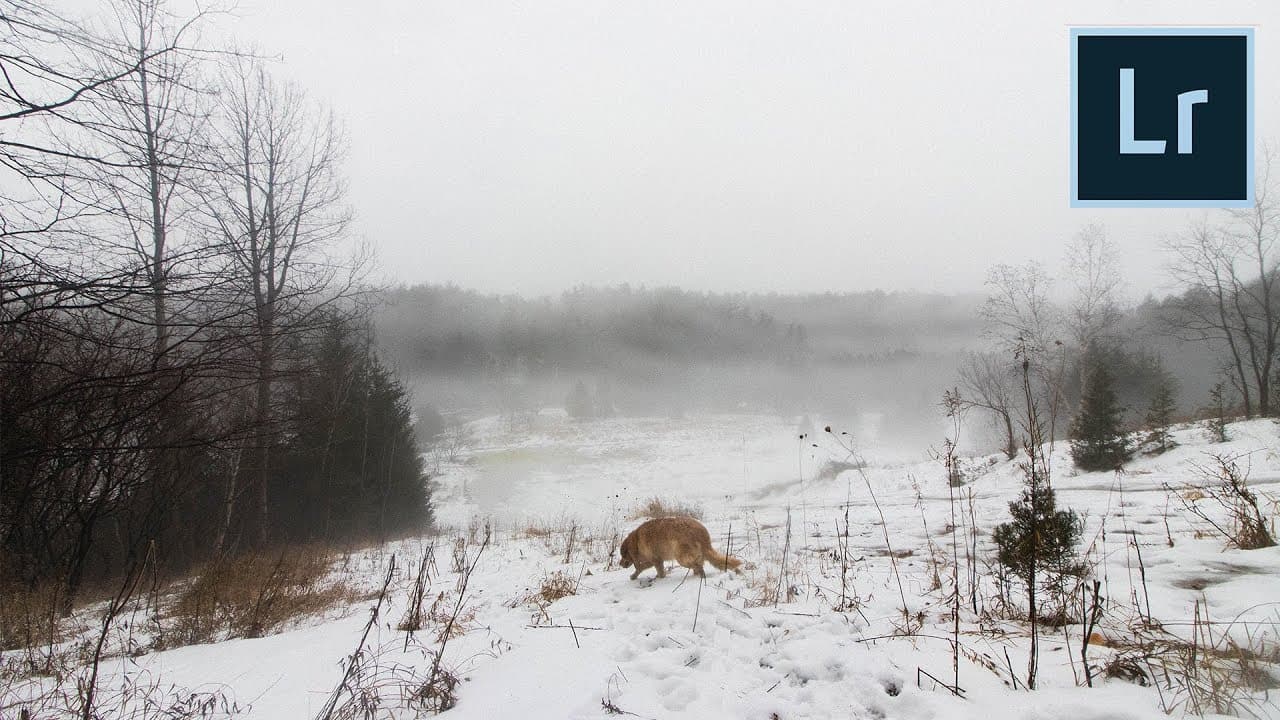
good morning you see what is going on guys yes my door is open because look how beautiful it is it's about 12 degrees out super warm for February this beautiful fog this haze just covering everything look at that oh my gosh so of course we came to the Rouge Valley we're gonna get a tutorial tips tricks moody photography let's get it going [Applause... Read More
Key Insights
- 🧘 Exploring different angles and positions can significantly improve the overall composition of a photograph.
- 🖐️ The presence of fog or overcast weather plays a crucial role in establishing the desired mood in photography.
- 🎑 Utilizing subjects within a scene helps strengthen the narrative and focus of the photograph.
- 🏣 Post-processing techniques like adjusting shadows and contrast are vital in enhancing moody images.
- 🙂 Underexposing photographs slightly can help in creating a more dramatic and rich visual effect.
- 😒 The use of grain should be subtle, as excessive grain can detract from image clarity.
- ❓ Selectively removing distractions in an image can enhance the focus on the main subject and improve storytelling.
Install to Summarize YouTube Videos and Get Transcripts
Explore YouTube Video Summarizer or Get YouTube Transcript Extractor
Questions & Answers
Q: What are the key conditions for capturing moody photographs?
The ideal conditions for moody photography include overcast skies, fog, or mist. These elements help set the tone for the images, creating a somber and intriguing atmosphere. The lack of direct sunlight minimizes bright, cheerful vibes, favoring a more subdued aesthetic which is crucial for achieving that moody look.
Q: How can positioning and angles affect the quality of a photograph?
Positioning and angles are crucial as they can dramatically alter the composition and perspective of a photograph. By moving just a few steps to a different angle, photographers can capture better elements of depth, leading lines, and focal subjects, resulting in a more engaging and visually appealing image.
Q: What processing techniques should be applied in Lightroom for moody photos?
In Lightroom, effective techniques include adjusting exposure slightly under the requirement to enhance moodiness, carefully managing contrast to emphasize blacks and whites, and applying minimal grain to retain image quality. Selective adjustments using tools like the tone curve will also help create a rich depth of field in moody images.
Q: Why is it essential to find a subject in moody photography?
Having a defined subject, like a person or recognizable footsteps, helps guide the viewer's eye through the photo, creating a narrative. It not only enhances the composition but also adds depth to the image, drawing attention to the background elements like fog or trees, which helps in delivering a powerful emotional impact.
Q: Can moody photography still be effective without fog or rain?
Yes, moody photography does not strictly require fog or rain. Overcast conditions work well to create a somber tone, and photographers can capture moody images in various settings. Creative use of shadows, contrasts, and subjects can yield rich, moody results even under less ideal weather conditions.
Q: What role do leading lines play in moody photography?
Leading lines are instrumental in directing the viewer's eye towards key elements of the photograph, enhancing depth and creating a pathway for the viewer to follow. By strategically incorporating leading lines, photographers can construct more dynamic and engaging compositions that draw attention to the atmosphere of the scene.
Summary & Key Takeaways
-
The tutorial emphasizes the importance of finding the right angle and position while photographing to achieve the desired mood and depth, especially with fog as a key element.
-
The video outlines essential techniques for moody photography, such as utilizing overcast conditions, underexposing images slightly, and searching for strong leading lines in the scene.
-
Post-processing tips in Lightroom are discussed, highlighting the importance of adjusting contrast, shadows, and selective removal of distracting elements to enhance the overall image quality.
Read in Other Languages (beta)
Share This Summary 📚
Summarize YouTube Videos and Get Video Transcripts with 1-Click
Try YouTube Summary with ChatGPT & Claude or YouTube Transcript Generator
Explore More Summaries from davidhammond 📚




Summarize YouTube Videos and Get Video Transcripts with 1-Click
Try YouTube Summary with ChatGPT & Claude or YouTube Transcript Generator