How Do Bacteria Survive in Crude Oil Reservoirs?
TL;DR
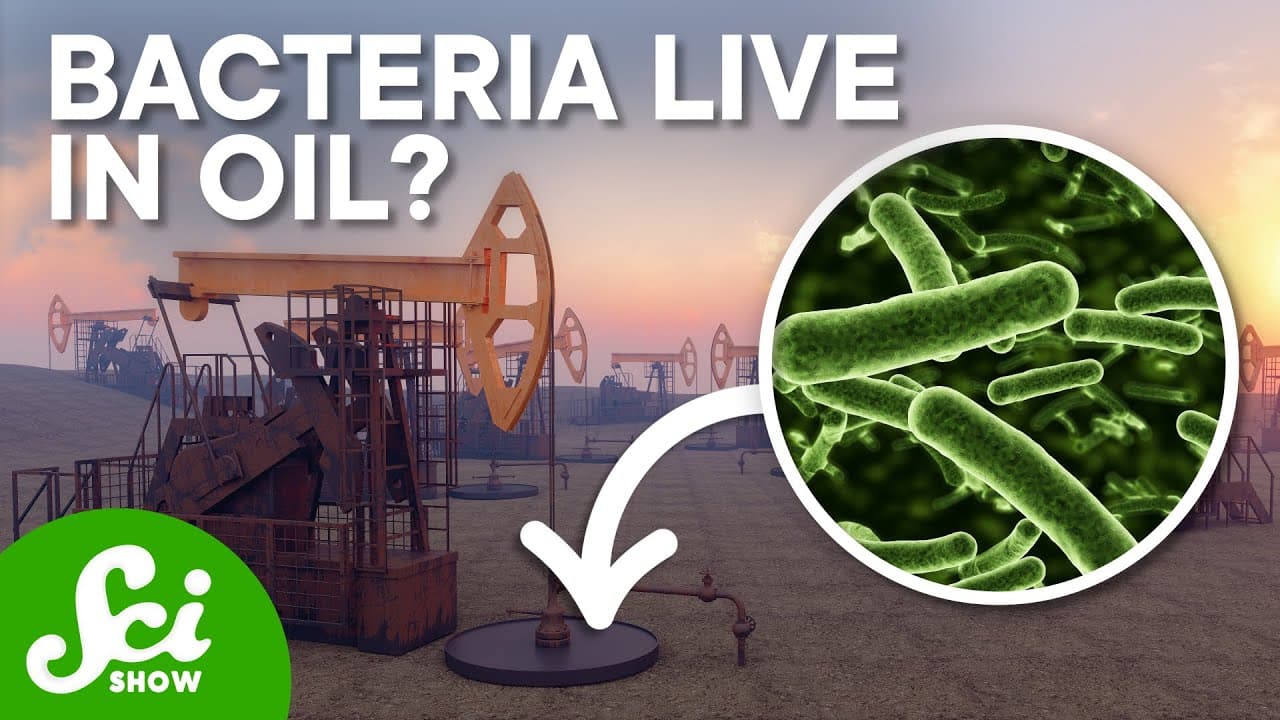
Bacteria and archaea can survive in crude oil reservoirs for millions of years by forming protective biofilms that shield them from extreme conditions such as high pressure, acidity, and temperatures above 150 degrees Celsius. They derive energy by breaking down hydrocarbon molecules in oil or through chemical reactions with compounds like sulfates, showcasing a unique ecosystem that is influenced by both natural processes and human activities.
Transcript
This episode is supported by Wren, a website with a monthly subscription that helps fund projects to combat the climate crisis. Click the link in the description to learn more about how you can make a monthly contribution to support projects like rainforest protection programs. [♪ INTRO] Since almost the beginning of commercial oil producti... Read More
Key Insights
- 🛢️ Oil reservoirs have their own unique ecosystems, with microbes living inside the oil.
- 🎭 Microbes in oil reservoirs have adapted to extreme conditions by forming biofilms and performing specialized chemical reactions.
- 🦠 Some microbes can influence oil production and drilling operations.
- 🛢️ Human activity can impact the composition and diversity of microbial communities in oil reservoirs.
- 🛢️ Understanding these microbial ecosystems is important for optimizing oil production and minimizing environmental impact.
- 🛢️ Microbes may have been present in oil reservoirs for millions of years, surviving long before human intervention.
- 👨🔬 Research on these microbial communities is ongoing, with scientists working to uncover their origin and unique adaptations.
Install to Summarize YouTube Videos and Get Transcripts
Explore YouTube Video Summarizer or Get YouTube Transcript Extractor
Questions & Answers
Q: How are microbes able to survive extreme conditions in oil reservoirs?
Microbes in oil reservoirs form biofilms that protect them from excess salt, heat, and other harsh environmental conditions. They also break down hydrocarbon molecules found in the oil for energy.
Q: Are these microbes present in oil reservoirs before or after human intervention?
Some microbes likely arrived before humans discovered the oil reservoirs, either through sediments or water sources like aquifers. However, others can be introduced through drilling operations.
Q: How do microbes impact oil production and drilling operations?
Microbes can influence oil production by breaking down hydrocarbon molecules and producing chemicals that help oil flow more easily. Engineers may introduce or inhibit specific microbial populations to optimize oil production and prevent corrosion or worker poisoning.
Q: How does human activity impact these microbial ecosystems?
Research suggests that human activity can influence the microbial species that thrive in oil reservoirs over time. For example, oxygen-loving species may outcompete slow-growing species after drilling activities have begun.
Summary & Key Takeaways
-
Microbes, including bacteria and archaea, can live inside oil reservoirs, forming biofilms that protect them from the harsh environment.
-
These organisms may have been present in reservoirs for millions of years, surviving extreme conditions such as high pressure, acidity, and high temperatures.
-
Some microbes break down hydrocarbon molecules in oil for energy, while others perform chemical reactions with compounds like sulfates or nitrates.
Read in Other Languages (beta)
Share This Summary 📚
Summarize YouTube Videos and Get Video Transcripts with 1-Click
Try YouTube Summary with ChatGPT & Claude or YouTube Transcript Generator
Explore More Summaries from SciShow 📚


Summarize YouTube Videos and Get Video Transcripts with 1-Click
Try YouTube Summary with ChatGPT & Claude or YouTube Transcript Generator