How Do RNA Vaccines Help Fight Cancer?
TL;DR
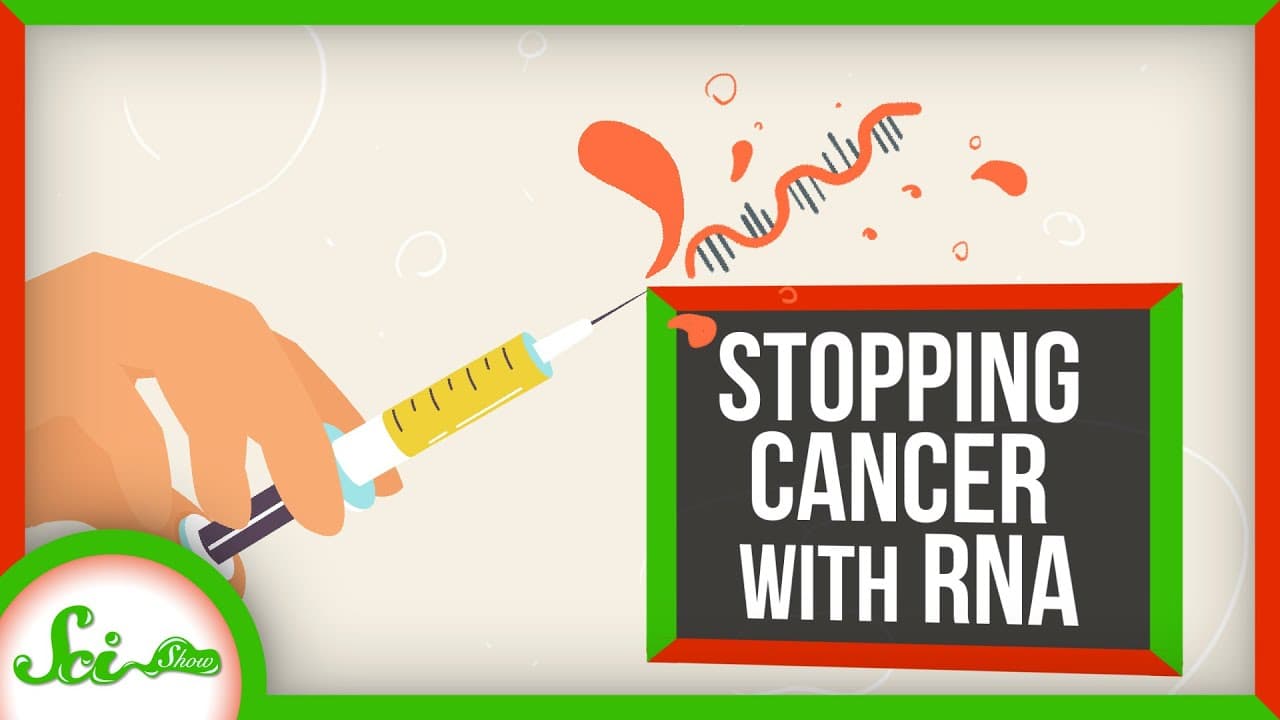
RNA-based cancer vaccines are designed to train the immune system to identify and attack tumor cells by using the genetic code to produce specific antigens. These vaccines have shown promising results in clinical trials, with patients experiencing immune responses and tumor reductions. Their rapid development and personalization potential make them a significant advancement in cancer treatment.
Transcript
Today’s episode is made in partnership with PancOne, an international network of world-class cancer research institutions looking to increase the survival rate for Pancreatic Cancer. If you’re interested in learning more or are able to donate to their research, head over to www.PancOne.org or click the link in the description. [ intro ] Around the ... Read More
Key Insights
- 👶 RNA-based cancer vaccines are a new and promising approach to training the immune system to fight tumors.
- 🎯 Genetic sequencing has enabled the identification of tumor-specific antigens, which can be targeted by personalized RNA vaccines.
- 😄 The speed and ease of creating RNA vaccines make them valuable in treating patients who have exhausted other treatment options.
- ♋ Overcoming immune suppression caused by tumors is a challenge for cancer vaccines, but RNA vaccines have advantages in drawing in the immune system.
- ♋ Clinical trials for cancer vaccines face recruitment challenges and require specific participants with certain cancer types.
- 🛀 RNA cancer vaccines have entered Phase III human trials, showing progress towards approval.
Install to Summarize YouTube Videos and Get Transcripts
Explore YouTube Video Summarizer or Get YouTube Transcript Extractor
Questions & Answers
Q: How do traditional vaccines for cancer and RNA-based vaccines differ?
Traditional vaccines expose the body to antigens derived from tumor cells, while RNA vaccines use the genetic code to produce antigens without the need for external proteins or invaders.
Q: Why are RNA vaccines preferred over DNA vaccines for cancer research?
RNA vaccines are faster and more customizable than DNA vaccines, and they do not pose the risk of incorporating loose DNA into the cell's chromosomes, which can lead to complications.
Q: What challenges do cancer vaccine trials face?
Cancer vaccines need to target specific cancers with specific antigens, making it difficult to recruit participants. Additionally, tumors have mechanisms to evade the immune system, adding further complexity to the development of effective vaccines.
Q: How do RNA vaccines overcome the immune suppression caused by tumors?
RNA vaccines are recognized by the immune system as potential virus attacks, which can help draw in immune cells. They can also be combined with immune checkpoint inhibitors and inflammation inducers to enhance the immune response.
Summary & Key Takeaways
-
Researchers have found evidence that our immune system plays a role in protecting the body from cancer, leading to the development of cancer vaccines.
-
Traditional cancer vaccines use antigens derived from tumor cells to train the immune system, while RNA-based vaccines use the genetic code to produce antigens.
-
RNA vaccines have shown promising results in human trials, with some patients experiencing immune responses against cancer and tumor reduction.
Read in Other Languages (beta)
Share This Summary 📚
Summarize YouTube Videos and Get Video Transcripts with 1-Click
Try YouTube Summary with ChatGPT & Claude or YouTube Transcript Generator
Explore More Summaries from SciShow 📚


Summarize YouTube Videos and Get Video Transcripts with 1-Click
Try YouTube Summary with ChatGPT & Claude or YouTube Transcript Generator