Why Did Cowboys Host Japanese POWs for BBQ?

TL;DR
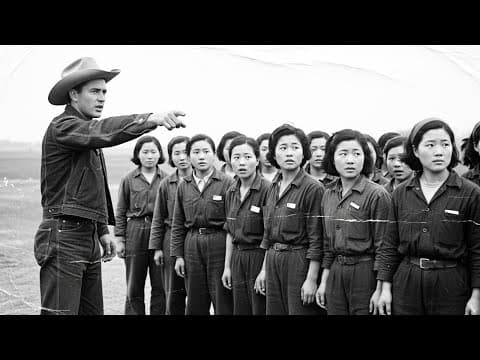
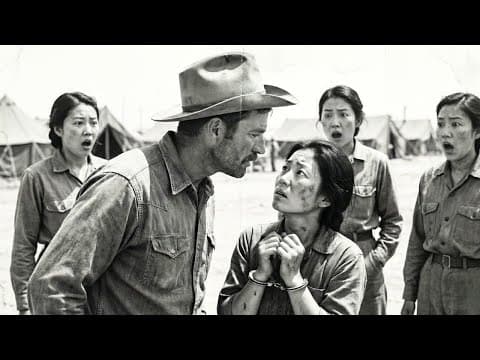
Japanese female POWs in Texas during WWII were unexpectedly treated with kindness and hospitality by American cowboys, who invited them to a barbecue. This act of humanity challenged their preconceived notions about the enemy and sparked a quiet revolution in their hearts, reshaping their understanding of captivity and survival.
Transcript
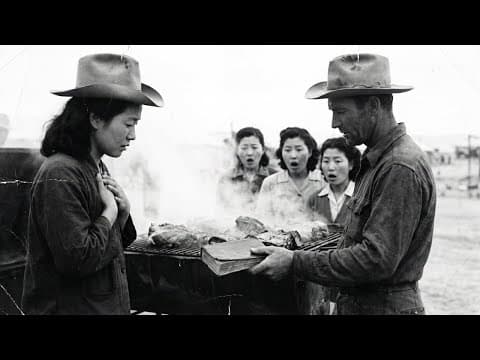
The smell hit her first. Thick, sweet, unmistakably foreign. Smoke curled through the air, carrying hints of grilled meat, spiced sauce, and something warm that wrapped itself around her like memory. Standing in a dusty Texas field behind the camp's wire fence, the young Japanese nurse could hardly believe what she was seeing. A row of American cow... Read More
Key Insights
- Japanese female POWs were captured and brought to Texas during WWII, expecting harsh treatment.
- American cowboys invited these women to a barbecue, offering them food and hospitality instead of hostility.
- The barbecue was a gesture of goodwill, challenging the prisoners' beliefs about their captors.
- The event marked a significant shift in the women's perception of the enemy, fostering trust and humanity.
- Many prisoners grappled with feelings of guilt and confusion as they were treated with kindness by their captors.
- The barbecue symbolized a broader narrative of unexpected compassion amidst wartime ideology.
- The experience highlighted the power of shared meals to bridge cultural and ideological divides.
- The event left a lasting impact on the prisoners, influencing their post-war lives and memories.
Install to Summarize YouTube Videos and Get Transcripts
Explore YouTube Video Summarizer or Get YouTube Transcript Extractor
Questions & Answers
Q: How did Japanese POWs react to being invited to a barbecue by American cowboys?
Japanese POWs were initially shocked and suspicious when invited to a barbecue by American cowboys. Accustomed to expecting hostility from their captors, the unexpected gesture of hospitality challenged their preconceived notions. The warmth and humanity they experienced at the barbecue led to a reevaluation of their beliefs about the enemy, sparking a quiet revolution in their hearts.
Q: What was the significance of the barbecue for Japanese POWs in Texas?
The barbecue held by American cowboys for Japanese POWs in Texas was significant because it defied the prisoners' expectations of harsh treatment and hostility. Instead, they were met with kindness and humanity, which challenged their beliefs about the enemy. This act of hospitality became a symbol of unexpected compassion, fostering trust and reshaping their understanding of captivity and survival.
Q: Why did the barbecue invitation challenge the POWs' beliefs about their captors?
The barbecue invitation challenged the POWs' beliefs because it contradicted the narratives they had been taught about their captors. They expected hostility and harsh treatment, but were instead met with kindness and humanity. This unexpected gesture forced them to reconsider their perceptions of the enemy, demonstrating the potential for compassion even amidst wartime ideology.
Q: How did the experience of the barbecue affect the POWs' understanding of captivity?
The experience of the barbecue affected the POWs' understanding of captivity by introducing them to a version of the enemy that was compassionate and humane. This challenged their preconceived notions and allowed them to see their captors as individuals rather than faceless adversaries. The event fostered a sense of trust and humanity, reshaping their perception of what captivity could mean.
Q: What emotions did the Japanese POWs experience during the barbecue?
During the barbecue, Japanese POWs experienced a mix of emotions, including shock, suspicion, gratitude, and confusion. The kindness shown by their captors challenged their beliefs, leading to feelings of guilt as they reconciled their experiences with the narratives they had been taught. Despite this, the event fostered a sense of humanity and trust, leaving a lasting impact on the prisoners.
Q: How did the barbecue symbolize a shift in narratives on both sides of the conflict?
The barbecue symbolized a shift in narratives on both sides of the conflict by demonstrating the power of small acts of humanity to bridge cultural and ideological divides. For the POWs, it challenged their beliefs about the enemy, fostering trust and compassion. For the American captors, it highlighted the potential for kindness to transform perceptions and influence narratives beyond the battlefield.
Q: What impact did the barbecue have on the POWs' post-war lives and memories?
The barbecue had a lasting impact on the POWs' post-war lives and memories by providing them with a powerful example of unexpected compassion and humanity. The experience influenced their understanding of survival and reshaped their perceptions of the enemy. It became a symbol of the potential for kindness to transcend conflict, leaving an indelible mark on their personal narratives and how they remembered the war.
Q: How did the Japanese POWs reconcile feelings of guilt with the kindness shown to them?
The Japanese POWs struggled to reconcile feelings of guilt with the kindness shown to them by their captors. Accustomed to viewing the enemy as hostile, the unexpected hospitality challenged their beliefs and led to internal conflict. Over time, as they experienced continued acts of humanity, many began to accept the kindness as genuine, though it often left them questioning the narratives they had been taught and grappling with the complexity of their emotions.
Summary & Key Takeaways
-
Japanese female POWs in Texas during WWII were met with unexpected kindness when American cowboys invited them to a barbecue. This act of hospitality challenged their beliefs about the enemy, sparking a quiet revolution in their understanding of captivity. The experience highlighted the power of shared meals to bridge cultural divides, leaving a lasting impact on the women.
-
The barbecue invitation defied the prisoners' expectations of harsh treatment, offering them a moment of humanity and dignity. As they were treated with kindness, many grappled with feelings of guilt and confusion, questioning the narratives they had been taught. The event symbolized the potential for compassion amidst wartime ideology.
-
The experience of being fed by their captors transformed the prisoners' perception of the enemy, fostering trust and reshaping their understanding of survival. The barbecue became a symbol of unexpected compassion, demonstrating the power of small acts of humanity to influence narratives on both sides of the conflict.
Read in Other Languages (beta)
Share This Summary 📚
Summarize YouTube Videos and Get Video Transcripts with 1-Click
Try YouTube Summary with ChatGPT & Claude or YouTube Transcript Generator
Explore More Summaries from WW2 Insider 📚
Summarize YouTube Videos and Get Video Transcripts with 1-Click
Try YouTube Summary with ChatGPT & Claude or YouTube Transcript Generator