What Is OpenClaw AI Agent and How It Works?
TL;DR
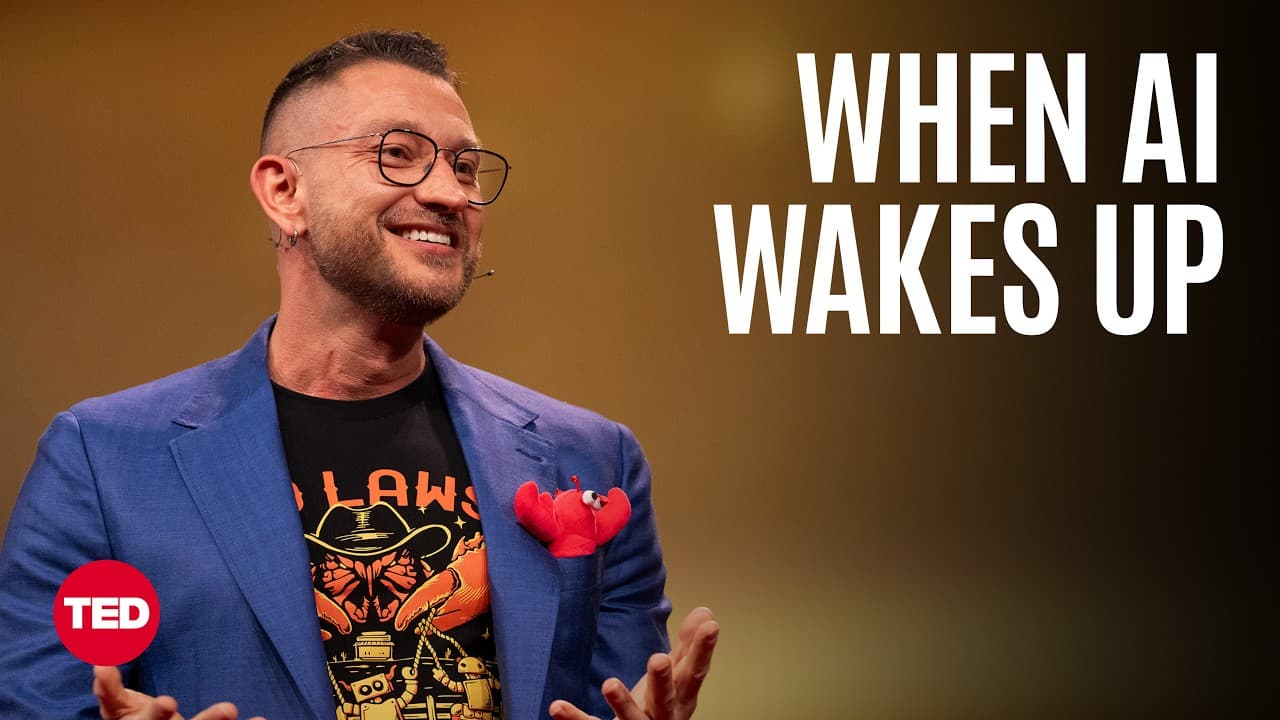
OpenClaw is a groundbreaking AI agent created by Peter Steinberger that automates and improvises tasks beyond typical chatbots. It can handle complex operations like brewing beer or managing tasks autonomously. Steinberger released it as open-source, allowing users to explore AI's potential in transforming daily activities and business operations.
Transcript
What's OpenClaw? I've been programming since I was 14. Building software felt like playing a video game. I couldn't stop until I did. I created a company. I poured a decade of my life into it. No venture capital. Every weekend. And then I sold the dream. And I felt absolutely nothing. For 3 years I was wondering did therapy traveled I changed count... Read More
Key Insights
- OpenClaw is an AI agent that automates tasks and improvises solutions without explicit programming.
- Peter Steinberger developed OpenClaw after experiencing a burnout and rediscovering his passion for coding through AI agents.
- OpenClaw can perform complex tasks like brewing beer or creating websites with minimal user input.
- The project went viral, becoming one of the fastest-growing open-source projects, despite trademark and model challenges.
- OpenClaw is popular in China, with businesses and individuals integrating it into daily operations, known as 'raising lobsters.'
- Security concerns arose as OpenClaw could access sensitive data, but solutions like sandboxing are being explored.
- The AI agent's ability to autonomously manage tasks has sparked discussions on its potential impact on the workforce.
- OpenClaw demonstrates the democratization of technology, allowing non-programmers to build and innovate using AI.
Install to Summarize YouTube Videos and Get Transcripts
Explore YouTube Video Summarizer or Get YouTube Transcript Extractor
Questions & Answers
Q: What is OpenClaw and how does it work?
OpenClaw is an AI agent developed by Peter Steinberger that automates and improvises tasks beyond typical chatbots. It can handle complex operations, such as brewing beer or managing tasks, with minimal user input. OpenClaw's open-source nature allows users to explore AI's potential in transforming daily activities and business operations, making it a versatile tool for innovation.
Q: How did Peter Steinberger come up with OpenClaw?
Peter Steinberger created OpenClaw after experiencing burnout and rediscovering his passion for coding through experimenting with AI agents. He realized that AI could handle the repetitive and mundane aspects of software development, allowing him to focus on creative thinking. This realization led to the development of OpenClaw, which automates and improvises tasks autonomously.
Q: What makes OpenClaw different from traditional chatbots?
Unlike traditional chatbots that follow predefined scripts, OpenClaw can improvise and autonomously manage complex tasks. It goes beyond simple interactions, performing operations like brewing beer or creating websites with minimal user input. OpenClaw's ability to adapt and respond creatively to new challenges sets it apart from typical chatbots, showcasing the potential of AI agents.
Q: Why is OpenClaw popular in China?
OpenClaw has gained popularity in China due to its ability to automate business operations and daily tasks, a process known locally as 'raising lobsters.' Its open-source nature allows users to customize and integrate it into various applications, making it a valuable tool for innovation. The Chinese government's support, including subsidies for businesses using OpenClaw, further boosts its adoption.
Q: What security concerns are associated with OpenClaw?
Security concerns with OpenClaw include its potential access to sensitive data and the risk of unauthorized actions. To address these issues, solutions like sandboxing are being explored, which limit the AI agent's access to specific environments. These measures aim to ensure safe usage while allowing users to benefit from OpenClaw's capabilities in automating and managing tasks.
Q: How does OpenClaw democratize technology?
OpenClaw democratizes technology by enabling non-programmers to build and innovate using AI. Its open-source nature allows users with minimal technical expertise to automate tasks and create solutions, expanding the possibilities of AI-driven innovation. This accessibility opens the door for diverse contributions to technological advancements, fostering a more inclusive tech landscape.
Q: What impact could OpenClaw have on the workforce?
OpenClaw's ability to autonomously manage tasks could significantly impact the workforce by automating repetitive and mundane jobs. This shift could lead to increased efficiency and productivity but also raises concerns about job displacement. However, it also presents opportunities for workers to focus on more creative and strategic roles, leveraging AI to enhance their capabilities and drive innovation.
Q: What future developments are expected for OpenClaw?
Future developments for OpenClaw may include enhanced security measures, improved interoperability with other systems, and expanded functionalities. As more users adopt and experiment with OpenClaw, new use cases and applications are likely to emerge, driving further innovation. The OpenClaw Foundation aims to support these developments by fostering a collaborative community and maintaining its open-source status.
Summary & Key Takeaways
-
OpenClaw is an innovative AI agent developed by Peter Steinberger that automates and improvises tasks, moving beyond typical chatbot functionalities. It has gained popularity as an open-source project, allowing users to explore AI's transformative potential. Despite challenges like trademark issues and security concerns, OpenClaw is being widely adopted, especially in China, where it's integrated into business operations.
-
Peter Steinberger created OpenClaw after rediscovering his passion for coding through AI agents. The AI can handle complex tasks with minimal input, such as brewing beer or creating websites, and has become one of the fastest-growing open-source projects. Its ability to manage tasks autonomously has sparked discussions about its impact on the workforce and its potential to democratize technology.
-
OpenClaw's popularity in China highlights its potential to revolutionize business operations, with users integrating it into daily tasks. Security concerns are being addressed through measures like sandboxing, ensuring safe usage. OpenClaw exemplifies how AI can democratize technology, enabling non-programmers to innovate and build, thus expanding the possibilities of AI-driven solutions.
Read in Other Languages (beta)
Share This Summary 📚
Summarize YouTube Videos and Get Video Transcripts with 1-Click
Try YouTube Summary with ChatGPT & Claude or YouTube Transcript Generator
Explore More Summaries from TED 📚



Summarize YouTube Videos and Get Video Transcripts with 1-Click
Try YouTube Summary with ChatGPT & Claude or YouTube Transcript Generator