Half a Century of Heart Transplantation - Professor Martin Elliott
TL;DR
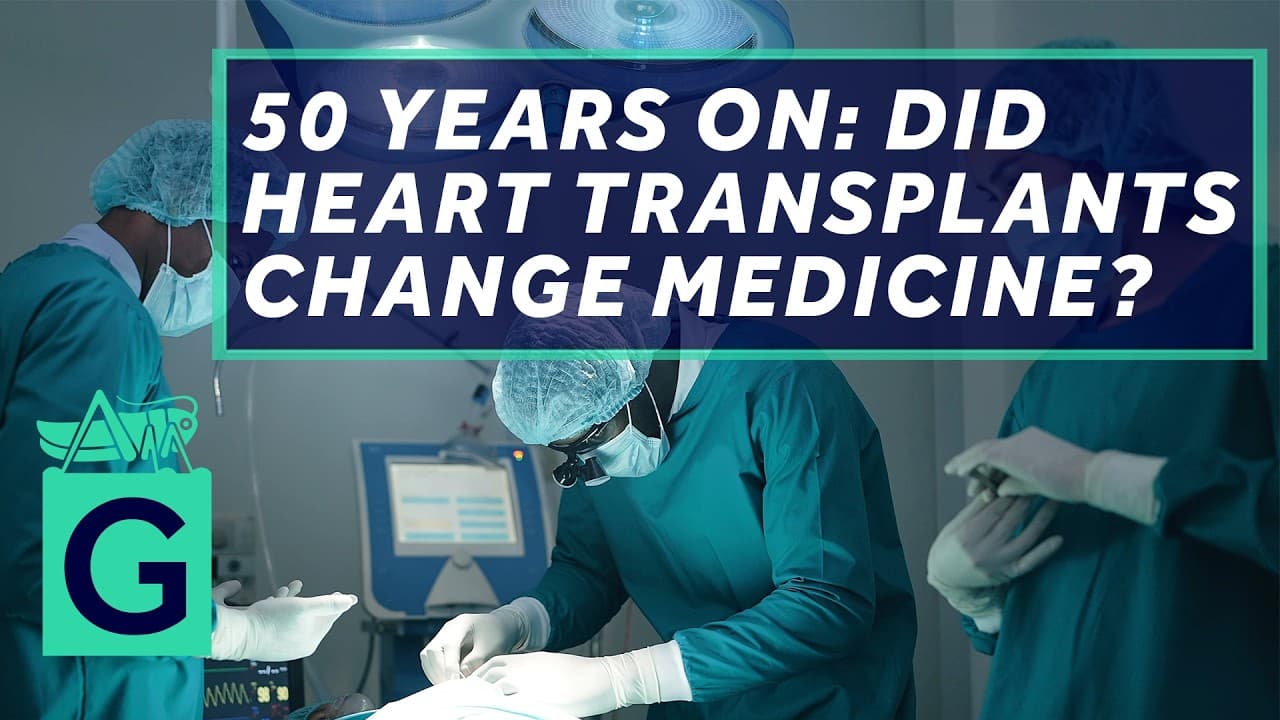
Heart transplants have come a long way since the world's first successful transplant in 1967, with improvements in surgical techniques, immunosuppressant medications, and donor selection. Despite progress, there is still a significant shortage of donor hearts, prompting exploration of alternative methods such as xenotransplantation. The key to successful heart transplantation lies in collaboration, advancements in medical technology, and ongoing research.
Transcript
well good evening ladies gentlemen and welcome to the Museum of London and tonight's Gresham lecture now Sunday this Sunday coming is going to mark the 50th anniversary of the world's first human heart transplant I feel really privileged to have been performing heart transplants for a large part of my career and after the the tragic stories of the ... Read More
Key Insights
- 🥰 Heart transplantation has evolved significantly since the first successful transplant in 1967, thanks to the contributions of pioneers like Terence English and Norman Shumway.
- 🥰 The shortage of donor hearts remains a significant challenge, highlighting the need for ongoing research and advancements in alternative transplantation methods, such as xenotransplantation.
- 🥰 Immunological complications and the side effects of immunosuppressant drugs are ongoing concerns that impact the success and long-term outcomes of heart transplantation.
- 🥰 Collaborative efforts among surgeons, researchers, and healthcare professionals are essential for advancements in heart transplantation and better patient outcomes.
Install to Summarize YouTube Videos and Get Transcripts
Explore YouTube Video Summarizer or Get YouTube Transcript Extractor
Questions & Answers
Q: What were some of the major milestones in the history of heart transplantation?
Some significant milestones include the world's first successful transplant in 1967, advancements in surgical techniques by pioneers like Norman Shumway, and the development of immunosuppressant drugs to manage rejection.
Q: How are donor hearts selected for transplantation?
Donor hearts are selected based on compatibility factors such as blood type, tissue matching, and the severity of the recipient's condition. A waiting list is maintained, and priority is given to those in urgent need.
Q: What are the main challenges in heart transplantation today?
The shortage of donor hearts remains a significant challenge, as the demand far exceeds the supply. Additionally, transplant recipients need to manage the side effects of immunosuppressant drugs and face potential rejection complications.
Q: What new methods or technologies are being explored to address the shortage of donor hearts?
Xenotransplantation, or the use of animal organs for transplantation, is a growing area of research. Additionally, advancements in regenerative medicine, such as stem cell therapy, may offer alternatives to traditional transplantation.
Summary & Key Takeaways
-
Heart transplant is a life-saving procedure that has evolved significantly since the world's first successful transplant in 1967.
-
Pioneers in cardiac transplantation, such as Terence English and Norman Shumway, played crucial roles in developing surgical techniques and understanding the immune response.
-
Challenges in heart transplantation include the shortage of donor hearts, the side effects of immunosuppressant drugs, and the need for ongoing research in alternative methods such as xenotransplantation.
Read in Other Languages (beta)
Share This Summary 📚
Summarize YouTube Videos and Get Video Transcripts with 1-Click
Try YouTube Summary with ChatGPT & Claude or YouTube Transcript Generator
Explore More Summaries from Gresham College 📚


Summarize YouTube Videos and Get Video Transcripts with 1-Click
Try YouTube Summary with ChatGPT & Claude or YouTube Transcript Generator