Bouncing From One Addiction to Another
TL;DR
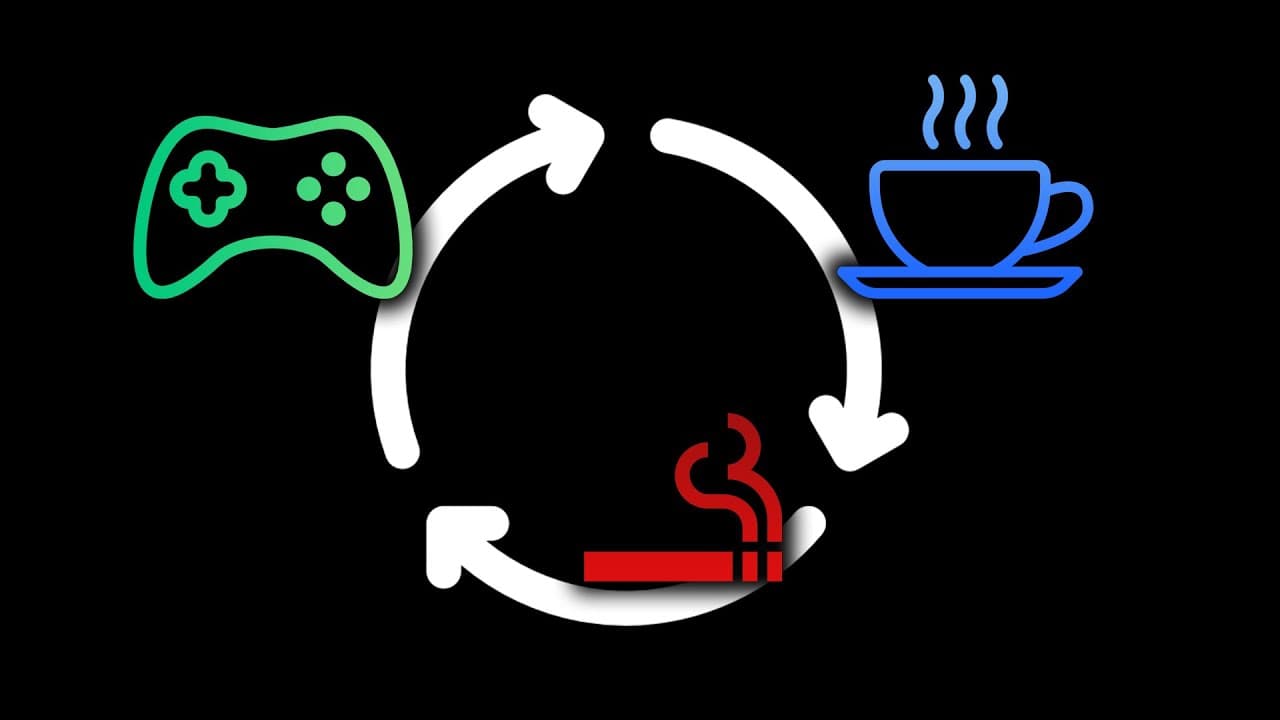
People can bounce from one addiction to another because addictive substances or behaviors often serve as coping mechanisms that quiet negative thoughts and emotions. Removing one can expose those feelings and shift coping toward pornography, impulsive buying, video games, alcohol, or other outlets; the account described withdrawal within two or three days. Read on to understand addiction’s role, withdrawal risks, and the challenges of lifelong recovery.
Transcript
so how do you know if you have an addiction or what is an addiction so when i am addicted to something like alcohol or opiates the physiologic effects on my body are profound our gaba receptors get regulated so heavily that if you have if you're addicted to alcohol and you stop cold turkey the withdrawal that you go through can conceivably be fatal... Read More
Key Insights
- 🧑🏭 Addiction involves both physiological and psychological factors, and recovery requires addressing both aspects.
- 🛟 Coping mechanisms can be both adaptive and maladaptive, depending on the context and the impact on one's life.
- ❓ Different addictions may have varying physiological effects on the body and require tailored treatment approaches.
Install to Summarize YouTube Videos and Get Transcripts
Explore YouTube Video Summarizer or Get YouTube Transcript Extractor
Questions & Answers
Q: How do you know if you have an addiction?
Addiction may be present when stopping a substance or behavior produces withdrawal and disrupts mood, productivity, or daily responsibilities. In the account discussed, definitive withdrawal appeared within two or three days of stopping pornography and masturbation, alongside stronger impulsive buying and difficulty exercising.
Q: Why do people bounce from one addiction to another?
An addiction can function as a coping mechanism that quiets negative emotions or distracting thoughts. When one behavior is removed without addressing that function, another behavior, such as impulsive buying, may return or intensify.
Q: What role do coping mechanisms play in addiction?
A coping mechanism is a tool used to calm thoughts, emotions, or distractions that interfere with a desired task. Substances, video games, and pornography can quiet the mind temporarily, but relying on them can develop into an addictive pattern.
Q: Why can productivity fall after stopping an addictive behavior?
The addictive behavior may have been helping the person suppress an unsettled mind and become productive. After stopping, negative emotions, cravings, or distractions can resurface, making studying, chores, exercise, and financial control more difficult.
Q: Can alcohol withdrawal be dangerous?
Yes. The transcript says alcohol addiction can heavily regulate GABA receptors and that suddenly stopping alcohol can produce withdrawal that may conceivably be fatal.
Q: Why do different people have different drugs of choice?
People often try multiple substances or behaviors but find one that works particularly well for quieting their own mind. The transcript says this preference can track with the particular neuroscience effect a substance has on that person.
Q: Why is recovering from addiction so difficult?
Recovery requires coping with the thoughts and emotions that the addiction previously helped quiet. The process can also affect productivity, mood, exercise, schoolwork, chores, and finances, making abstinence only one part of the challenge.
Q: Do rehab, medication, and addiction support programs work for everyone?
No single option works for everyone. The transcript says support programs, medication, and rehab can all help, while emphasizing that outcomes differ and that issues such as trauma and the desire to feel loved may also shape addiction.
Summary & Key Takeaways
-
Addiction can have profound physiological effects on the body, leading to severe withdrawal symptoms and potential fatality in some cases.
-
Coping mechanisms are used to manage negative emotions and achieve a state of focus and productivity, but they can become maladaptive and lead to addiction.
-
Overcoming addiction involves addressing the underlying emotional issues, developing healthy coping mechanisms, and accepting that recovery is a lifelong process.
Read in Other Languages (beta)
Share This Summary 📚
Summarize YouTube Videos and Get Video Transcripts with 1-Click
Try YouTube Summary with ChatGPT & Claude or YouTube Transcript Generator
Explore More Summaries from HealthyGamerGG 📚





Summarize YouTube Videos and Get Video Transcripts with 1-Click
Try YouTube Summary with ChatGPT & Claude or YouTube Transcript Generator