How Did Figma Grow to $12.5B with No Ad Spend?
TL;DR
Figma grew to a valuation of $12.5 billion primarily through user feedback and community engagement, focusing on building close relationships with users and iterating the product based on their needs. The company's marketing strategy also involved direct interactions with design teams and influencers, which helped foster trust and credibility in the design community.
Transcript
So the first day that I joined Figma, I remember I was sitting in a presentation and Dylan was kind of walking me through stuff, showing the product and the name of the tool at the time was actually called Summit. And I remember I thought to myself like this just isn't going to work. Metrics are so important, but I feel like when you're doing somet... Read More
Key Insights
- Figma's growth relied heavily on intuition and user feedback rather than just metrics, especially in its early stages.
- The company initially had engineers handle support questions to stay close to user needs and issues.
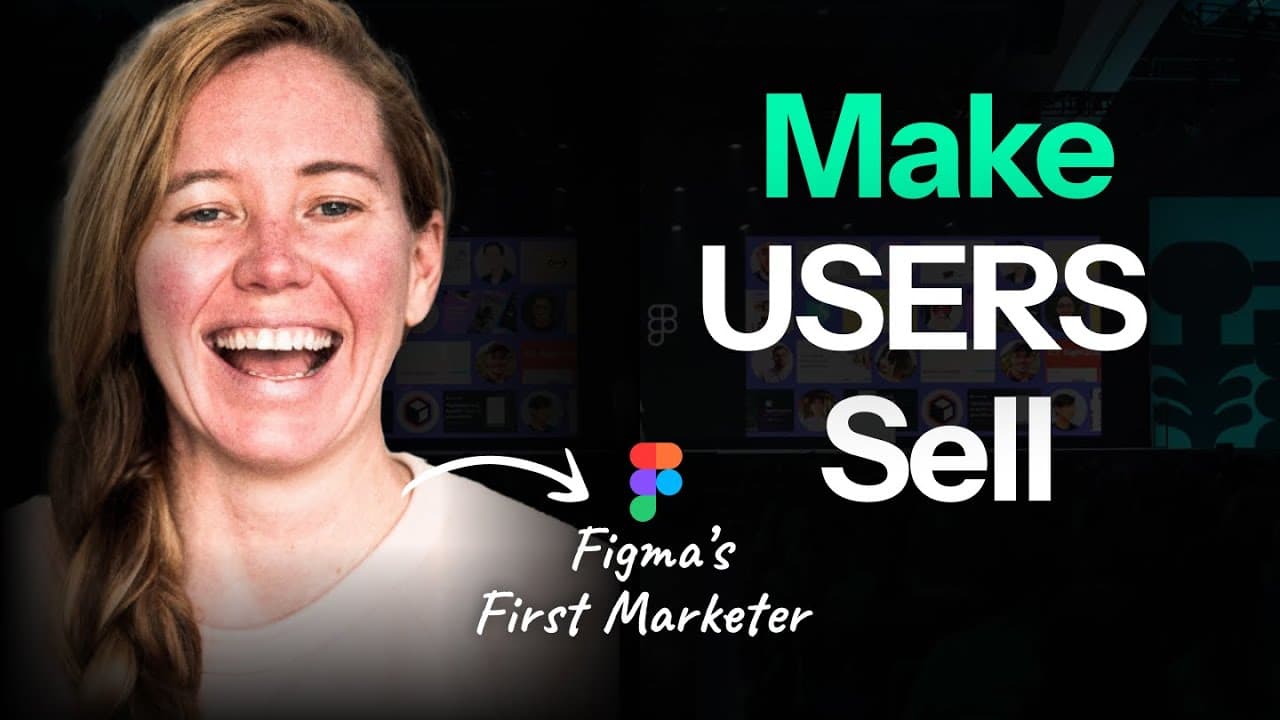
- Figma's first marketer, Claire Butler, played a crucial role in shaping the brand and product strategy from day one.
- The decision to launch without Figma's multiplayer feature was challenging but necessary for maintaining momentum.
- Building strong relationships with design thought leaders helped Figma gain credibility and trust in the design community.
- Figma's community-driven strategy involved listening to users and building the product alongside them.
- The first Config event demonstrated the power of community, growing from a planned 200-person event to 1,000 attendees.
- Figma's name and brand philosophy stem from the idea of bridging imagination and reality for designers.
Install to Summarize YouTube Videos and Get Transcripts
Explore YouTube Video Summarizer or Get YouTube Transcript Extractor
Questions & Answers
Q: What role did Claire Butler play in Figma's early days?
Claire Butler, Figma's first marketer, was instrumental in shaping the company's brand and product strategy from the start. She advocated for a unified product name and focused on building relationships with design thought leaders to establish credibility and trust in the design community.
Q: How did Figma handle user feedback in its early stages?
In its early stages, Figma had engineers handle support questions to stay close to user needs and issues. This approach allowed the company to quickly address bugs and incorporate user feedback into product development, fostering a strong community-driven strategy.
Q: What was a significant challenge Figma faced before launching?
A significant challenge Figma faced was deciding whether to launch without its multiplayer feature, which was a core aspect of the product. The team chose to launch to maintain momentum and start gathering user feedback, even though the feature would take another year to complete.
Q: How did Figma's community-building strategy evolve?
Figma's community-building strategy involved listening to users and building the product alongside them. The company engaged directly with design teams and influencers, fostering strong relationships and turning skeptics into advocates. This approach helped Figma grow a loyal user base and a vibrant community.
Q: What was the impact of the first Config event?
The first Config event highlighted the power of Figma's community, growing from a planned 200-person event to 1,000 attendees. It demonstrated the strong connections and enthusiasm within the design community, reinforcing Figma's community-driven approach and its role in fostering collaboration among designers.
Q: How did Figma's name and brand philosophy originate?
Figma's name and brand philosophy originated from the idea of a 'figment of imagination,' aiming to eliminate the gap between imagination and reality. The company focuses on empowering designers to bring their ideas to life, aligning its tools and community efforts with this vision.
Q: Why was Figma's initial marketing approach unique?
Figma's initial marketing approach was unique because it relied on direct engagement with design teams and influencers, rather than traditional marketing tactics. This strategy helped build trust and credibility in the design community, turning skeptics into advocates and fostering organic growth through word-of-mouth.
Q: What advice does Figma offer for building a brand?
Figma advises focusing on product-led growth and building strong relationships with users. By listening to feedback and continuously improving the product, companies can create a loyal community that advocates for the brand. Figma emphasizes the importance of starting with a strong product and letting relationships and community efforts drive growth.
Summary & Key Takeaways
-
Figma's growth strategy focused on building strong relationships with users and incorporating their feedback into product development. This approach was crucial in transforming skeptics into advocates and fostering a beloved community.
-
The company's initial marketing and community-building efforts involved direct engagement with design teams and influencers, which helped establish credibility and trust in the design space.
-
Figma's brand philosophy is rooted in the idea of eliminating the gap between imagination and reality, with the company continuously evolving its tools to empower designers to bring their ideas to life.
Read in Other Languages (beta)
Share This Summary 📚
Summarize YouTube Videos and Get Video Transcripts with 1-Click
Try YouTube Summary with ChatGPT & Claude or YouTube Transcript Generator
Explore More Summaries from EO 📚


Summarize YouTube Videos and Get Video Transcripts with 1-Click
Try YouTube Summary with ChatGPT & Claude or YouTube Transcript Generator