What Did Julian Lennon Say About His Skin Cancer Scare on Joe Rogan Experience #2243?
TL;DR
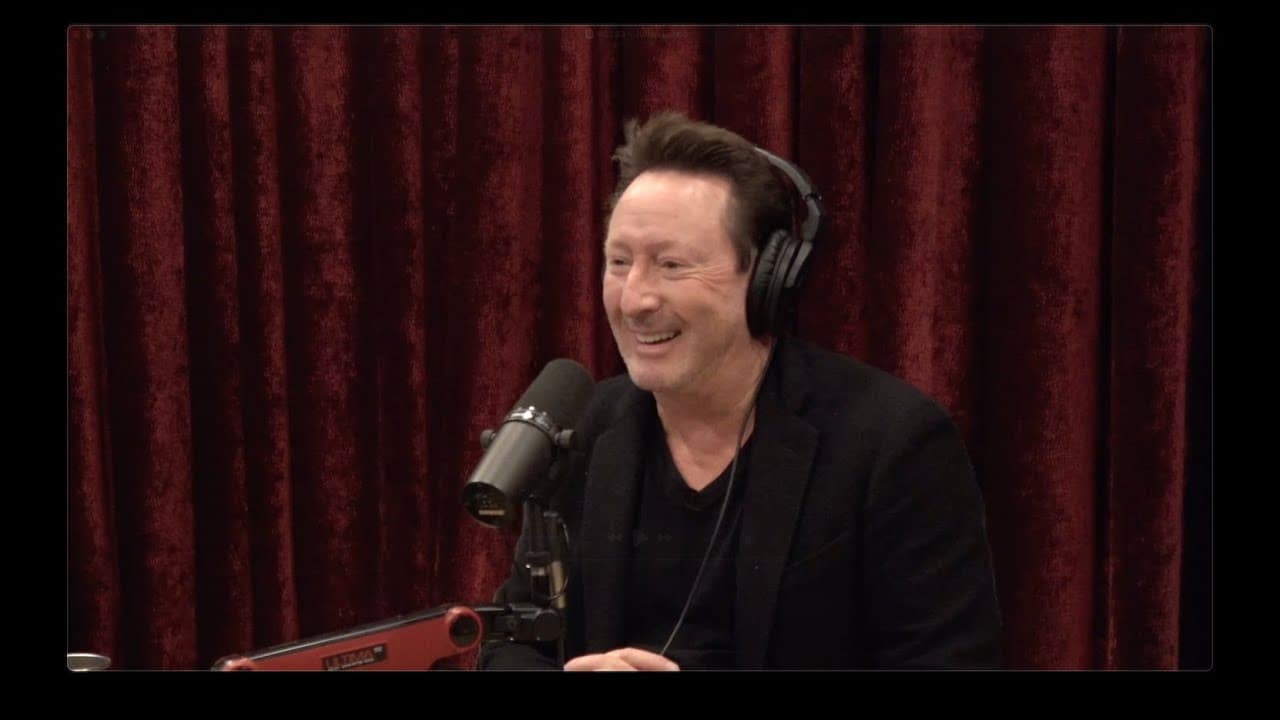
Julian Lennon discovered a cancerous spot after a comb opened a mole near a hidden birthmark on his scalp, leading him to pick at the recurring scab for about six months before seeing a dermatologist. After the tissue was removed and cleaned out, he received the all clear. His account also covers twice-a-year checkups, healthy eating, power walking, and anxiety management, with practical details worth reading on for.
Transcript
Joe Rogan podcast check it out The Joe Rogan Experience Train by day Joe Rogan podcast by night all day um I go to see this dermatologist oh you little more skin yeah a little excision here because it had been bothering me a bit and a couple of years ago I had a bit of a cancer scare on my head yeah because I have uh I have a birthmark here that yo... Read More
Key Insights
- Skin cancer can hide in spots you never check, like under thinning hair, where a birthmark and a comb-caught mole went unnoticed for six months of scab-picking before a dermatologist removed and tested it.
- Early dermatologist action matters: the cancerous tissue was cut out, sent off, and came back all clear, showing that acting on something that 'looks or feels a little old' can catch problems in time.
- Twice-a-year comprehensive checkups, including a comprehensive blood panel cancer screen, are part of a proactive health regime aimed at staying around long-term rather than reacting only when something goes wrong.
- Power walking a couple of times a week plus eating as healthy as possible is described as enough to 'do the trick,' with walking called one of the best forms of exercise you don't have to kill yourself doing.
- Watching older relatives sit with big bellies, cigarettes, and beer in front of the TV until heart attacks killed them in their 50s and 60s became motivation to reject that lifestyle and stay active instead.
- Depression and anxiety are ongoing struggles that can be eased by simple habits like taking a nice power walk before a stressful commitment, which was used to calm nerves before the podcast.
- Bats keep mosquito populations down by eating them, and Lady Bird Lake in Austin hosts a large bat colony that emerges at sunset, audible from the bridge and claimed on local signage to be the world's biggest.
- Lab safety failures are a real risk: an Australian laboratory lost track of hundreds of vials of deadly viruses including Hendra, Hantavirus, and Lyssavirus, which media warned could be weaponized.
Install to Summarize YouTube Videos and Get Transcripts
Explore YouTube Video Summarizer or Get YouTube Transcript Extractor
Questions & Answers
Q: How did Julian Lennon discover his skin cancer?
A comb caught and opened a mole near a birthmark on his head after his hair became thinner. He kept picking at the itchy scab for about six months before visiting a dermatologist in Los Angeles, who removed the spot and later told him it was cancerous.
Q: Did Julian Lennon receive the all clear after his skin cancer scare?
Yes, Lennon said the cancerous area was cleaned out and he received the all clear. The diagnosis initially left him numb and frightened because he had known friends who died from various kinds of cancer.
Q: Why was Julian Lennon's cancerous spot difficult to notice?
The mole was near a birthmark on a part of his scalp normally covered by hair. Rogan noted that people do not usually check such a hidden area, making it difficult to know what is happening there.
Q: What does Julian Lennon recommend doing about suspicious skin changes?
Lennon urged attention to anything that looks or feels a little odd. His own irritated spot persisted for about six months before he took it to a dermatologist for removal and testing.
Q: What is Julian Lennon's routine for staying healthy?
Lennon said he gets a proper checkup twice a year and recently had a comprehensive blood panel screen for cancer. He also tries to eat as healthily as possible and power walks a couple of times a week.
Q: Why does Joe Rogan consider walking a good form of exercise?
Rogan called walking one of the best forms of exercise and said doing it every day makes a person healthier than not doing it. He emphasized that it is easy, good for the body, and does not require exhausting yourself.
Q: What motivated Julian Lennon to avoid a sedentary lifestyle?
Lennon remembered uncles on his mother's side sitting in front of the television with big bellies, cigarettes, tea, and beer throughout their 50s and 60s. He said that lifestyle continued until they had heart attacks and died, convincing him not to follow the same path.
Q: How does Julian Lennon use power walking to manage anxiety?
Lennon said he still experiences anxiety and felt breathless before appearing on the podcast. He took a power walk around Lady Bird Lake beforehand, connecting the activity with calming himself before the conversation.
Summary & Key Takeaways
-
Definition: Julian Lennon's cancer scare involved a mole near a concealed scalp birthmark that became irritated after a comb opened it.
-
Number: He repeatedly picked at the resulting scab for about six months before consulting a dermatologist.
-
Step 1: A comb caught the mole as Lennon's hair became thinner, opening the skin and creating an itchy scab.
-
Step 2: A Los Angeles dermatologist cut out the troublesome area and sent it away for testing.
-
Step 3: The dermatologist called Lennon after a serious meeting and told him the removed tissue was cancerous.
-
Step 4: The affected area was cleaned out, and Lennon subsequently received the all clear.
-
Number: Lennon gets a proper health checkup twice a year and recently had a comprehensive blood panel screen for cancer.
-
Who: Lennon was 57, while Rogan was 61, when they discussed aging and their desire to remain healthy.
-
Compare: Lennon rejected the sedentary pattern he observed among uncles in their 50s and 60s, favoring healthier food and regular activity.
-
Tool: Power walking a couple of times a week supports Lennon's health routine and helped calm his anxiety before the podcast.
Read in Other Languages (beta)
Share This Summary 📚
Summarize YouTube Videos and Get Video Transcripts with 1-Click
Try YouTube Summary with ChatGPT & Claude or YouTube Transcript Generator
Explore More Summaries from PowerfulJRE 📚
Summarize YouTube Videos and Get Video Transcripts with 1-Click
Try YouTube Summary with ChatGPT & Claude or YouTube Transcript Generator