Bdelloids: The Most Hardcore Animals in the World?
TL;DR
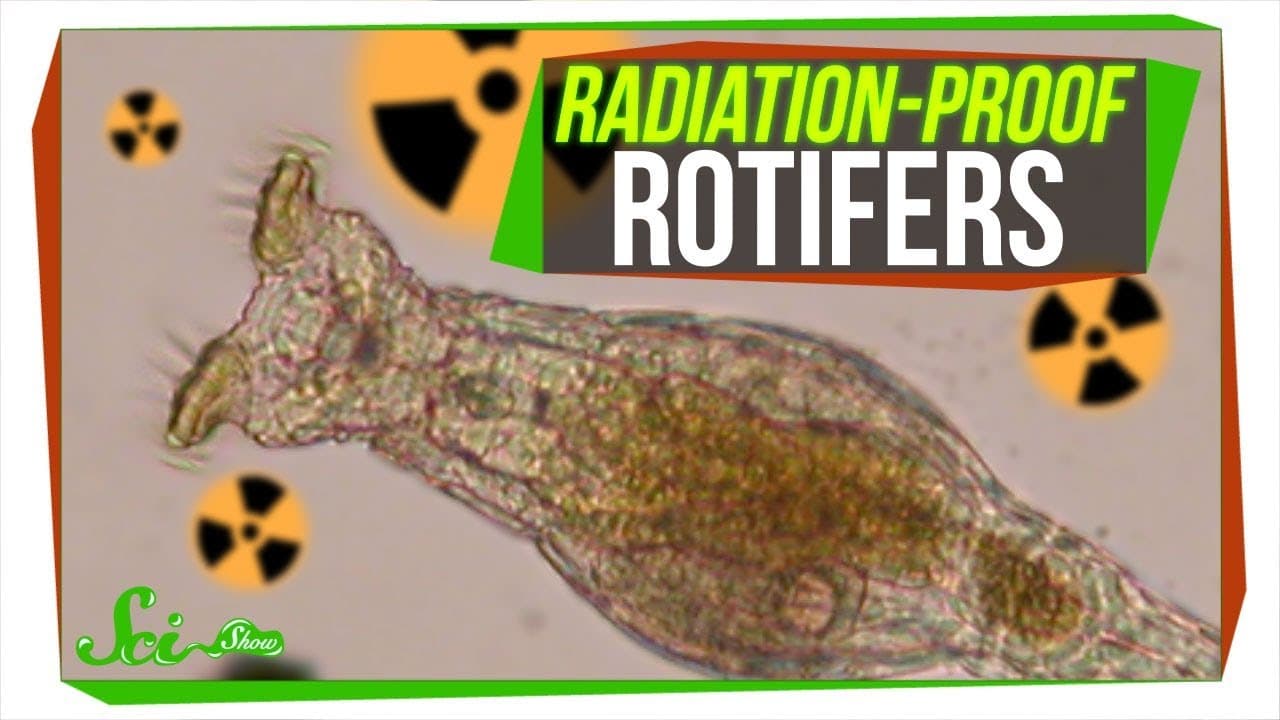
Bdelloid rotifers are microscopic animals that can repair their DNA even after being shredded, survive in extreme conditions, and acquire genes from other organisms.
Transcript
This episode is supported by NordVPN. Start protecting your internet experience today with a 3-year VPN plan. Use the coupon code “SCISHOW” to get 75% off, plus 1 month free, at NordVPN.com/SCISHOW. [ ♪ Intro ] Bdelloid rotifers are microscopic animals that look like cigars with a brush on the end. They are not very impressive looking. But they are... Read More
Key Insights
- 🤲 Bdelloid rotifers possess the ability to repair their DNA when it gets shredded due to desiccation or radiation exposure.
- 🧬 Their resilience to radiation is a fortunate side effect of their DNA repair mechanism.
- 👻 Horizontal gene transfer allows bdelloid rotifers to acquire genes from other organisms, enabling genetic diversity and potentially aiding in their survival.
- ⏯️ They can survive in extreme conditions by entering a state of suspended animation, where their metabolism pauses.
- 🧬 The mechanism of DNA repair and gene acquisition in bdelloid rotifers is still not fully understood.
- 🍳 Some bdelloid rotifers may produce and break down trehalose, a sugar found in other desiccation-resistant organisms.
- 🌍 Bdelloid rotifers are exceptional survivors in the animal world due to their unique abilities and adaptations.
Install to Summarize YouTube Videos and Get Transcripts
Explore YouTube Video Summarizer or Get YouTube Transcript Extractor
Questions & Answers
Q: How do bdelloid rotifers repair their DNA after it gets shredded?
Bdelloid rotifers repair their DNA when they rehydrate, although the exact mechanism is still unknown. It is speculated that the proteins responsible for DNA repair survive the desiccation process and fix the DNA upon rehydration.
Q: Can bdelloid rotifers acquire genes from other organisms?
Yes, bdelloid rotifers can acquire genes from bacteria, plants, and fungi through horizontal gene transfer. They can potentially incorporate borrowed genes into their genome while repairing their DNA.
Q: What is the purpose of trehalose in bdelloid rotifers?
Trehalose, a sugar found in many desiccation-resistant organisms, has not been found in bdelloid rotifers. However, genes for both making and breaking down trehalose have been identified in their genome, suggesting a potential mechanism for survival during desiccation.
Q: How do bdelloid rotifers survive in extreme conditions?
Bdelloid rotifers enter a state of suspended animation called anhydrobiosis, where their bodies contract and lose nearly all their water content. This pause in metabolism allows them to survive in dried-out habitats.
Summary & Key Takeaways
-
Bdelloid rotifers are tough microscopic animals that can repair their DNA after it gets shredded due to lack of water or radiation.
-
They can survive in extreme conditions by entering a state of suspended animation known as anhydrobiosis.
-
Bdelloid rotifers are capable of borrowing genes from other organisms through horizontal gene transfer.
Read in Other Languages (beta)
Share This Summary 📚
Summarize YouTube Videos and Get Video Transcripts with 1-Click
Try YouTube Summary with ChatGPT & Claude or YouTube Transcript Generator
Explore More Summaries from SciShow 📚


Summarize YouTube Videos and Get Video Transcripts with 1-Click
Try YouTube Summary with ChatGPT & Claude or YouTube Transcript Generator