How Is the Metaverse Changing Live Events?
TL;DR
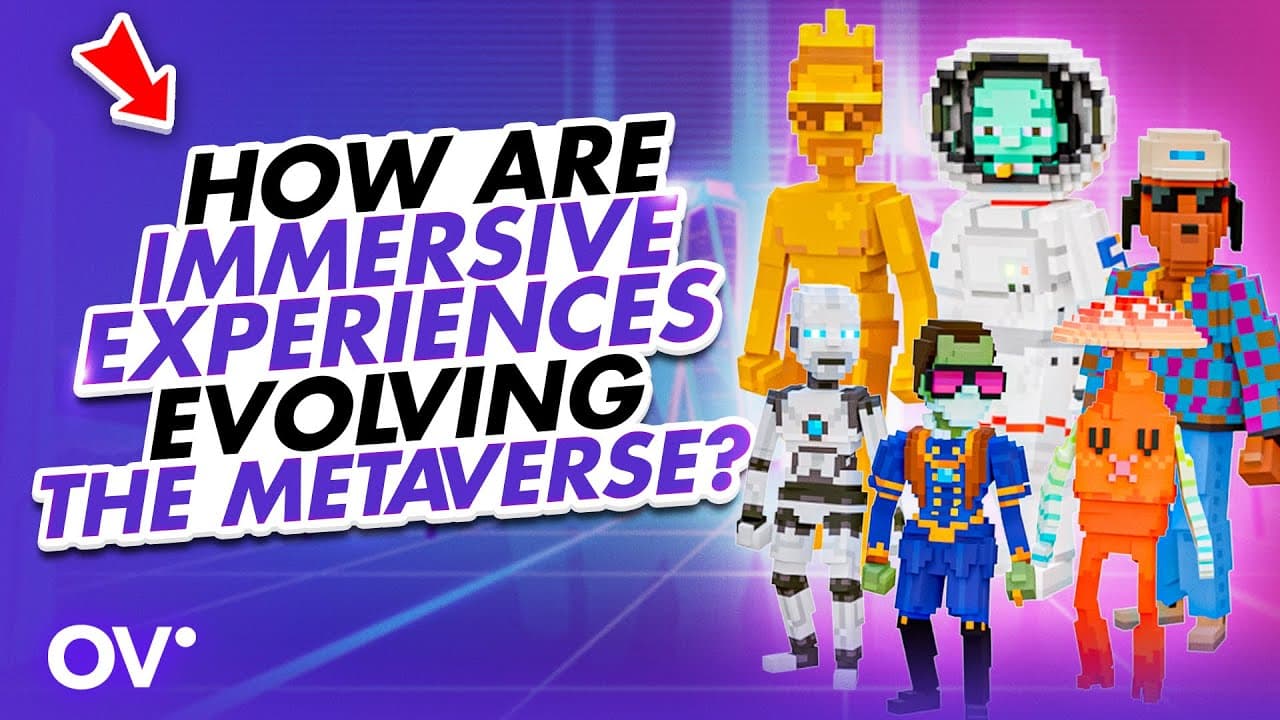
The metaverse is transforming live events by blending physical and virtual experiences, enabling shared engagement between online and offline audiences. Technologies like AR and VR enhance storytelling and interactivity, while blockchain ensures scalability and connectivity, making each live moment unique and participatory.
Transcript
what ar offers and vr as well and really sort of most formats but the metaverse and blockchain technology is the ability to scale that both from the perspective of distributing the content and also the connectivity between the artists between the audiences between everybody who's coming together for that moment break things down and rebuild them in... Read More
Key Insights
- 👤 The metaverse provides opportunities for shared experiences between online and offline users during live events.
- 🇭🇰 AR and VR technologies contribute to immersive storytelling and interactive experiences within the metaverse.
- ❓ Blockchain technology ensures the scalability and connectivity of content and participants, creating a secure and efficient metaverse ecosystem.
- 💯 Brands and talent can leverage the metaverse to build experiences and engage with audiences, while retaining the core essence of their brand or event.
- 🕸️ Web 3 platforms offer a more participatory and authentic engagement for audiences, enhancing the live event experience.
- ❓ Gamification within the metaverse incentivizes audience interaction and engagement, creating a more meaningful and grassroots community.
- 👻 The metaverse allows for the atomization of intellectual property (IP) through NFTs, empowering individuals to have a stake and add value to the IP.
Install to Summarize YouTube Videos and Get Transcripts
Explore YouTube Video Summarizer or Get YouTube Transcript Extractor
Questions & Answers
Q: How do AR and VR technologies contribute to the metaverse in the context of live events?
AR and VR technologies enhance live events by providing immersive storytelling through 3D content or virtual worlds. They can be used to create interactive experiences on-site and across virtual platforms, allowing for a cohesive and engaging experience.
Q: How can blockchain technology converge with AR and VR in the metaverse and events?
Blockchain technology ensures the scalability and connectivity of content and participants in the metaverse. It enables digital property rights and financial rights through NFTs and social tokens, empowering creators and ensuring the secure distribution of content within the metaverse.
Q: How should brands and talent approach the metaverse in terms of IP and building experiences?
Brands and talent should be present in the metaverse and build interactive experiences to engage with audiences. By researching and understanding the space, they can continuously innovate and improve their offerings, while staying true to the essence of their brand or event.
Q: Why would live events move to web 3 platforms rather than streaming platforms like Netflix?
The metaverse, enabled by web 3 platforms, offers a more participatory and immersive engagement for audiences, replicating the live experience. It enhances the connectivity and vulnerability felt by both performers and audiences, creating unique, shared moments that streaming platforms cannot replicate.
Summary & Key Takeaways
-
The metaverse combines physical and virtual experiences, allowing for shared experiences between online and offline users.
-
AR and VR technologies enhance live events by offering immersive storytelling and interactive experiences.
-
Blockchain technology enables the scalability and connectivity of content and participants in the metaverse, ensuring the unique and live nature of events.
Read in Other Languages (beta)
Share This Summary 📚
Summarize YouTube Videos and Get Video Transcripts with 1-Click
Try YouTube Summary with ChatGPT & Claude or YouTube Transcript Generator
Explore More Summaries from Outlier Ventures 📚



Summarize YouTube Videos and Get Video Transcripts with 1-Click
Try YouTube Summary with ChatGPT & Claude or YouTube Transcript Generator