What Happened to the Nijgadh Forest Airport Project?
TL;DR
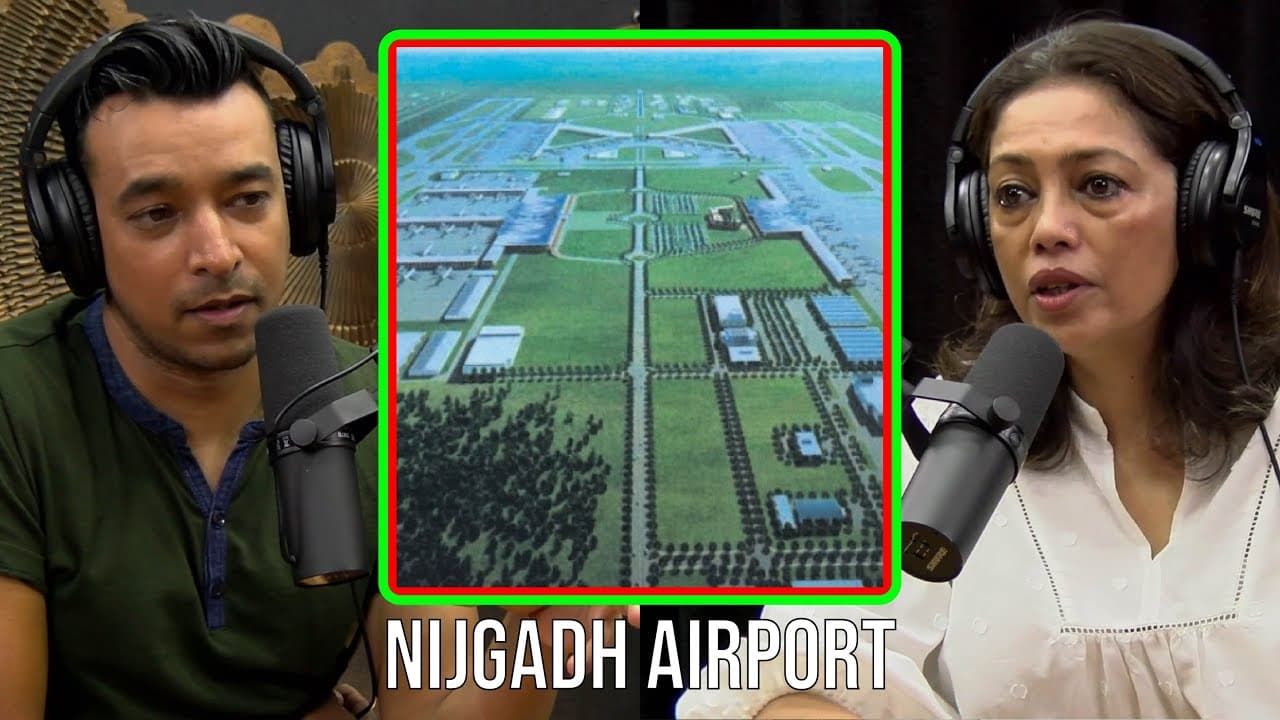
The Supreme Court of Nepal halted the Nijgadh airport project, protecting 2.4 million sal trees critical for ecological balance. This decision highlights the judiciary's role in prioritizing environmental conservation amid political and land mafia challenges, while community advocates continue to struggle for meaningful dialogue with government officials.
Transcript
so they imagined this airport in this big huge it was supposed to be bigger than heathrow and uh what's that airport in singapore up to things have changed people have gambled that there's going to be a huge airport here so of you know those people crossing over because you cannot in the 21st century when we're dealing with the climate crisis talk ... Read More
Key Insights
- 📡 The ruling by the Supreme Court showcases the judiciary's increasing role in environmental matters, signaling a shift towards prioritizing ecological concerns over unchecked development.
- 🛟 The conversation around the airport project reflects broader issues of governance in Nepal, where political leaders often appear disconnected from the constituents they serve.
- 😀 Environmental advocacy in Nepal faces obstacles, including indifference from policymakers, corruption, and threats from powerful land mafia operations.
- 📣 Community engagement is crucial; advocates are actively seeking discussions with government representatives, yet often meet resistance, highlighting a gap in collaborative governance.
- 💱 The issue of climate change is overarching, requiring integrated efforts from both governmental and judicial entities to formulate effective policies that protect the environment.
- 🛟 The emphasis on saving sal trees indicates a recognition of their ecological importance, serving as a crucial reminder of the value of preserving native plant species.
- 🇨🇫 Support from the public, as demonstrated through feedback on the judicial decision, can influence future policy-making and environmental advocacy strategies.
Install to Summarize YouTube Videos and Get Transcripts
Explore YouTube Video Summarizer or Get YouTube Transcript Extractor
Questions & Answers
Q: What was the main environmental concern regarding the airport project in Nepal?
The primary environmental concern was the proposed destruction of 24 lakh sal trees, which is significant given the ongoing climate crisis. The Supreme Court recognized this threat and intervened, highlighting the importance of preserving biodiversity in the face of development pressures. The decision reflects a growing awareness of environmental issues among judicial bodies, emphasizing that economic growth should not come at the expense of ecological balance.
Q: How did the Supreme Court's ruling reflect public sentiment?
The Supreme Court's ruling resonated with public sentiment, as many people in Nepal are increasingly aware of climate issues and the importance of environmental conservation. The decision was met with relief and happiness by those advocating for sustainable development, showing that there is a strong collective interest in protecting local ecosystems and resisting projects that disregard environmental health for economic gain.
Q: What challenges do advocates for environment face when dealing with government officials?
Advocates face significant challenges, including a lack of interest from government officials in engaging with community discussions. This apathy suggests a disconnection between policy-makers and civil society, making it difficult for local voices to be heard. As a result, initiatives aimed at educating and involving government representatives often end in frustration, leaving advocates feeling marginalized in critical discussions about their environment.
Q: What role does land mafia play in the political landscape of Nepal?
The land mafia complicates the political landscape by exerting influence over land use and development decisions, often undermining legitimate initiatives aimed at community welfare and environmental protection. Their involvement can lead to corruption and coercion, making it difficult to establish transparent and accountable governance. Advocacy groups highlight the need for reform to combat these illicit practices and promote fair policies that prioritize ecological health.
Summary & Key Takeaways
-
The Supreme Court in Nepal made a significant ruling by stopping an airport construction that threatened the existence of 24 lakh sal trees, emphasizing the urgency of environmental conservation within the context of the climate crisis.
-
There are concerns regarding land mafia in the region which complicate discussions about development projects, impacting not only environmental integrity but also local governance and political transparency.
-
Despite repeated invitations for open dialogue with government officials, the people advocating for environmental protection feel sidelined, revealing a deeper disconnection between political leaders and community interests.
Read in Other Languages (beta)
Share This Summary 📚
Summarize YouTube Videos and Get Video Transcripts with 1-Click
Try YouTube Summary with ChatGPT & Claude or YouTube Transcript Generator