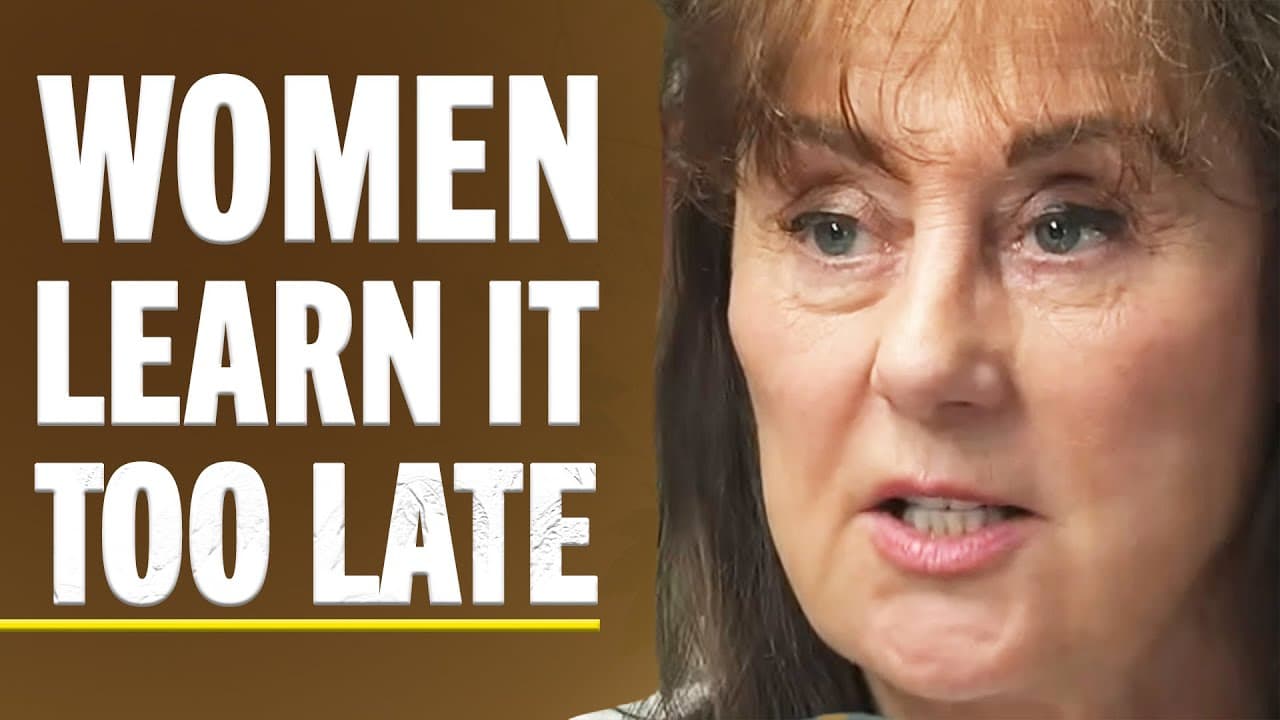
How to slow aging after 40 with friendship and exercise
TL;DR
Friendship quality, diet, exercise, and stress management are the main levers for aging, with 80 percent of aging being controllable. Prioritize meaningful relationships, maintain regular physical activity, eat a varied healthy diet, and practice stress reduction. Messages should adapt by life stage but core habits remain beneficial across ages.
Transcript
one of the central messages in your book is that 80% of our aging biology is within our control so I thought we'd start with some practical tips right A lot of people listen to this show ranging from 20 year olds all the way through to 80 year olds right so if I was going to say to you let's say if someone's in midlife in their 40s or 50s and you w... Read More
Key Insights
- 80 percent of aging is within our control, not fixed by genes.
- Quality of friendships matters more than quantity for healthy aging.
- Diet and regular exercise are essential components of aging well.
- Stress reduction can meaningfully slow aging processes.
- A longitudinal study tracks the same individuals over time to observe aging changes.
- TILDA monitors a broad set of factors including health, social, and economic aspects.
- Messages about aging should be tailored to life stage yet maintain core healthy habits.
- Engagement in meaningful work or purpose may influence aging trajectories and overall well being.
Install to Summarize YouTube Videos and Get Transcripts
Explore YouTube Video Summarizer or Get YouTube Transcript Extractor
Questions & Answers
Q: What is the main factor you can control to influence aging according to the talk?
The speaker emphasizes that about 80 percent of aging is within our control, with genetics contributing the remaining 20 percent. By focusing on practical lifestyle choices such as building high quality friendships, maintaining a healthy diet, staying physically active, and managing stress, individuals can meaningfully influence how rapidly or slowly they age.
Q: Why are friendship and relationships highlighted as top factors?
Friendships are highlighted because quality social connections provide emotional support, reduce stress, and contribute to healthier behaviors. The discussion stresses that meaningful relationships, not just the number of friends, can influence aging by supporting adherence to healthy habits like diet and exercise and by helping individuals cope with life challenges.
Q: What role does diet play in aging according to the video?
Diet is presented as one of the essential components affecting aging, alongside exercise and stress management. It is framed as a practical lever for improving healthspan, with the idea that making mindful dietary choices contributes to slower aging and better overall well being, complementing physical activity and social factors.
Q: How is stress described in relation to aging?
Stress is described as detrimental to the aging process; reducing or attenuating stress can slow aging. The conversation suggests that strategies to manage stress are important for maintaining health as people age and should be incorporated alongside diet and exercise.
Q: What is TILDA and why is it important in aging research?
TILDA stands for an Irish longitudinal study on aging. It follows a population of adults aged 50 and older over time to understand how genetic, epigenetic, health, social, and economic factors interact to influence aging. The longitudinal design allows researchers to link baseline factors with later health outcomes.
Q: How does the talk suggest messaging should vary with age?
Messaging should adapt to life stage, recognizing that younger adults may have different constraints and priorities, while older adults may have more time to invest in new activities and varied routines. However, the core recommendations—friendships, healthy diet, exercise, and stress reduction—are presented as universally beneficial.
Q: What does the speaker say about starting aging interventions early?
The speaker notes that what you do in your 20s can affect your health in your 80s, implying that early adoption of healthy behaviors builds a foundation for healthier aging later in life. This reinforces the idea that proactive, long-term lifestyle choices yield compounding benefits.
Q: What does the talk say about purpose or work in aging?
Purpose and meaningful work are mentioned as important for aging well. The discussion suggests that purpose is a factor in aging trajectories, and that maintaining engagement in meaningful activities can contribute to better health and well being as people grow older.
Summary & Key Takeaways
-
A broad view on aging emphasizes that most aging is within personal control, not purely genetic, highlighting lifestyle factors as key determinants. The interview frames practical steps like nurturing friendships, diet, exercise, and stress reduction as integral to healthier aging trajectories.
-
The discussion introduces TILDA, an ongoing longitudinal study of aging in Ireland, explaining how following the same individuals over time helps identify how early factors predict later health outcomes and aging patterns.
-
The conversation also covers age-specific messaging, suggesting that 40s through 70s require different emphasis while maintaining core practices such as social connectivity, movement, nutrition variety, and purposeful living as aging progresses.
Read in Other Languages (beta)
Share This Summary 📚
Summarize YouTube Videos and Get Video Transcripts with 1-Click
Try YouTube Summary with ChatGPT & Claude or YouTube Transcript Generator
Explore More Summaries from Dr Rangan Chatterjee 📚


Summarize YouTube Videos and Get Video Transcripts with 1-Click
Try YouTube Summary with ChatGPT & Claude or YouTube Transcript Generator