Can Anyone Learn to Draw? Here's How!
TL;DR
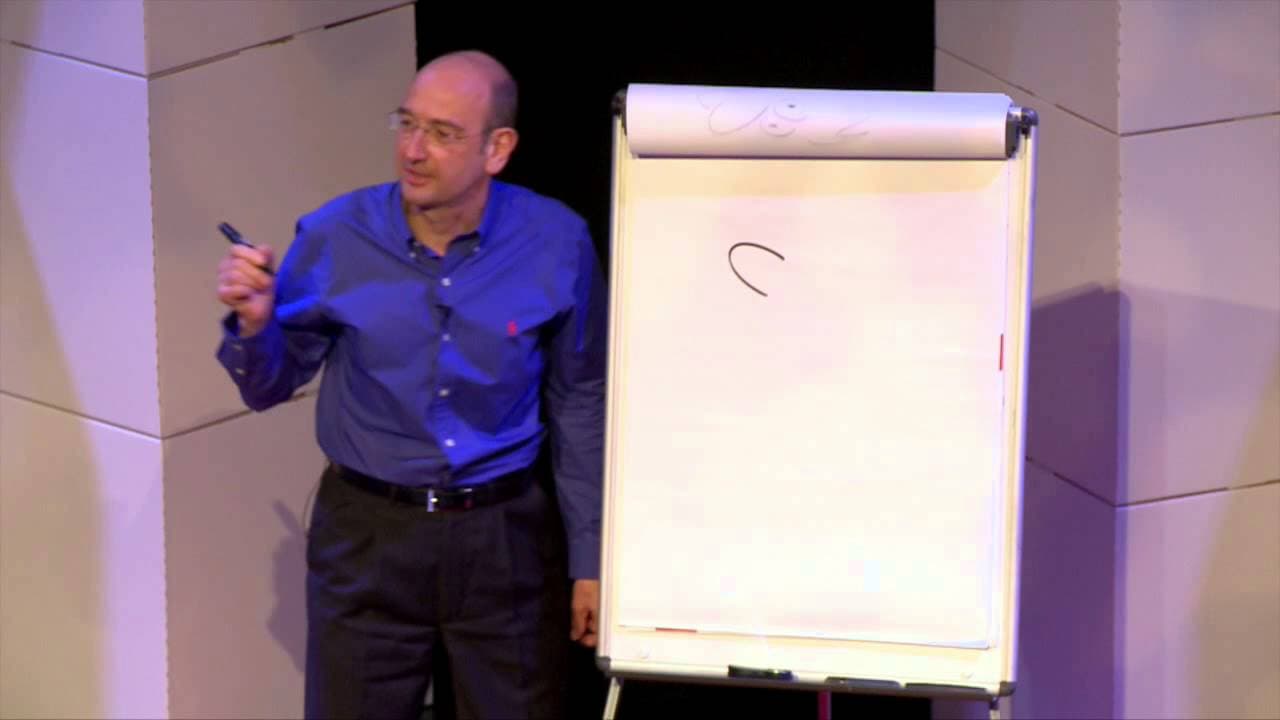
Believing you can't draw is often a misconception; anyone can learn with practice and the right mindset. Simple drawing exercises can help build confidence, even in those recovering from strokes and facing communication challenges.
Transcript
Translator: Tijana Mihajlović Reviewer: Mile Živković Hi. I've got a question for you: how many people here would say they can draw? (Laughter) I think we've got about one or two percent of the hands going up, and it's interesting, isn't it? It's a little bit like people think of spelling or singing. They think,"You can either do it, or you can't."... Read More
Key Insights
- 💡 Drawing is more about beliefs than talent and ability. Many people believe they can't draw, but with an open mind and willingness to try, anyone can learn.
Install to Summarize YouTube Videos and Get Transcripts
Explore YouTube Video Summarizer or Get YouTube Transcript Extractor
Questions & Answers
Q: Why does the speaker believe that people think they can't draw?
The speaker believes that people think they can't draw because of false beliefs instead of lack of talent or ability. They have a fixed mindset that drawing is something you either can or can't do, rather than a skill that can be developed with practice and an open mind.
Q: What are the two things the speaker suggests people need to be able to draw?
The speaker suggests that to be able to draw, one needs to have an open mind and be willing to give it a try. They emphasize that drawing doesn't require becoming a great artist but rather enjoying the process and being open to improvement.
Q: How has drawing helped stroke recoverers with aphasia?
Drawing has helped stroke recoverers with aphasia regain confidence and improve their ability to communicate. By engaging in drawing activities, they have found a new way to express themselves, despite the challenges of their condition.
Q: What did the speaker learn from working with stroke recoverers with aphasia?
The speaker learned that drawing can have a profound impact on individuals with aphasia, helping them regain confidence and build connections with others. The experience was humbling and inspiring for the speaker, who continues to work with stroke recoverers on a regular basis.
Q: How did the stroke recoverers in the session surprise the speaker?
The stroke recoverers in the session surprised the speaker by drawing with their non-dominant hand. Despite the physical challenges, they were determined and eager to participate, showcasing their incredible resilience and determination. This left a lasting impression on the speaker.
Summary & Key Takeaways
-
The speaker believes that anyone can draw, as the belief of not being able to draw is based on untrue beliefs rather than talent.
-
The speaker demonstrates how to draw simple cartoons by breaking them down into easy-to-draw steps.
-
The speaker shares three examples of individuals who have learned to draw and gained confidence through drawing, including stroke recoverers with aphasia.
Read in Other Languages (beta)
Share This Summary 📚
Summarize YouTube Videos and Get Video Transcripts with 1-Click
Try YouTube Summary with ChatGPT & Claude or YouTube Transcript Generator
Explore More Summaries from TEDx Talks 📚



Summarize YouTube Videos and Get Video Transcripts with 1-Click
Try YouTube Summary with ChatGPT & Claude or YouTube Transcript Generator