How Has COVID-19 Affected Our Mental Health Crisis?
TL;DR
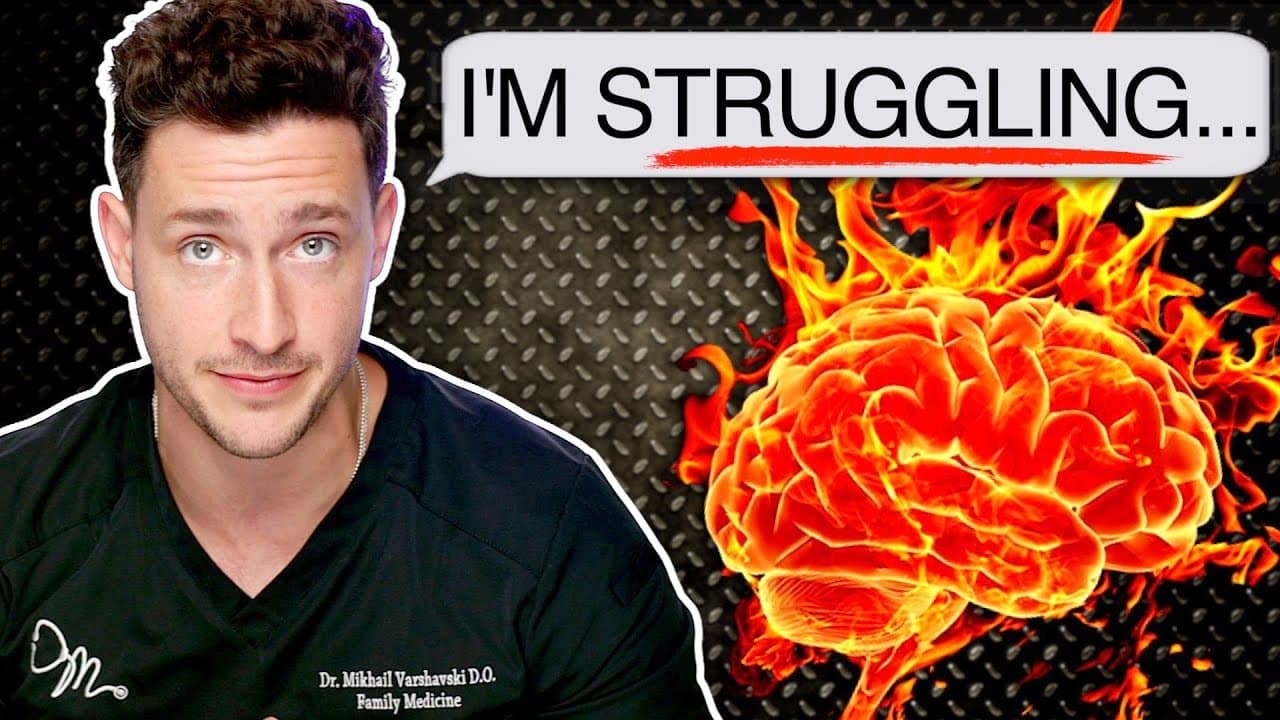
COVID-19 has led to significant mental health challenges, prompting many to seek therapy for the first time. Different groups have experienced varying impacts, with those in high-risk communities facing the most burdens. This situation emphasizes the need for increased mental health support and highlights the potential for post-traumatic growth through reflection and personal narratives.
Transcript
- We currently find ourselves in a very weird time. Weird times have strange effects on our mental health. In fact, this is the first time in my life that I've ever needed to seek out professional help and begin therapy. So I sat down with two mental health experts on this video to talk about the effects that the pandemic has been having on our men... Read More
Key Insights
- 💉 The pandemic has highlighted the urgent need for mental health services, especially in communities that previously lacked access.
- ⚾ Personal experiences during COVID-19 reflect diverse outcomes; individuals responded differently based on their circumstances and coping mechanisms.
- 🏣 Post-traumatic growth reflects the potential for individuals to transform their challenges into opportunities for deeper understanding and connection.
- 🧑⚕️ Mental health is multifaceted, and strategies for coping must be personalized, acknowledging the varied experiences among individuals.
- 😨 Professional help is vital, as many have experienced conditions that require specialized care and understanding of mental health complexities.
- 🤗 Maintaining open lines of communication about emotions can reduce stigma and promote healthier discussions about mental well-being.
- 🤳 Reflective practices, such as journaling, can enhance self-awareness and emotional processing, which are crucial in navigating mental health challenges.
Install to Summarize YouTube Videos and Get Transcripts
Explore YouTube Video Summarizer or Get YouTube Transcript Extractor
Questions & Answers
Q: How has the pandemic changed perceptions of mental health?
The pandemic normalized conversations around mental health, with many individuals seeking help due to increased stress, anxiety, and trauma-related issues. The societal shift has prompted more openness about struggles and the acceptance of professional assistance, encouraging a broader understanding of mental health as a vital component of overall well-being.
Q: What are key differences in mental health experiences during the pandemic for various populations?
Populations such as essential workers faced increased exposure to the virus and related anxieties, while others had the means to work remotely and access support. The differences highlight how individual circumstances, social supports, and available resources shaped mental health outcomes, emphasizing the need for tailored support approaches.
Q: What strategies can individuals use to foster post-traumatic growth?
Individuals can foster post-traumatic growth by developing personal narratives about their experiences, which can include journaling, storytelling, or creative projects. Reflecting on changes in values, strengths, and connections provides clarity and can enhance resiliency, helping individuals realize that growth can occur alongside struggle.
Q: How can friends effectively support someone experiencing a mental health crisis?
Friends should prioritize empathetic listening and strive to understand the feelings of the person in distress without rushing to problem-solving. They should be prepared to support their friend in seeking professional help and ensure that they feel validated, as these interactions can help alleviate feelings of isolation.
Q: What role does social support play in maintaining mental health?
Social support is a critical factor in mental health, as connections with trusted friends and family can provide emotional relief. Whether through casual conversation, shared activities, or direct help seeking during tough times, having supportive relationships fosters a sense of belonging and reduces feelings of loneliness.
Q: Why is it important to differentiate between venting and truth-seeking?
Understanding whether someone is venting or seeking solutions allows friends to respond appropriately. Validating feelings is crucial for venting, while truth-seekers may benefit from constructive feedback or advice. Knowing this distinction aids in providing the most meaningful support aligned with the individual's needs.
Summary & Key Takeaways
-
The pandemic has caused widespread mental health challenges, leading many individuals to seek therapy for the first time. It has disrupted core beliefs and created new mental health struggles.
-
Different populations have experienced varied effects of the pandemic, with essential workers and those in high-risk communities facing greater mental health burdens compared to those with resources.
-
While many may confront post-traumatic stress, others can experience post-traumatic growth, discovering new values and mental health skills through personal narratives and reflections.
Read in Other Languages (beta)
Share This Summary 📚
Summarize YouTube Videos and Get Video Transcripts with 1-Click
Try YouTube Summary with ChatGPT & Claude or YouTube Transcript Generator
Explore More Summaries from Doctor Mike 📚





Summarize YouTube Videos and Get Video Transcripts with 1-Click
Try YouTube Summary with ChatGPT & Claude or YouTube Transcript Generator