Pareidolia: Why People Keep Seeing Crazy Stuff on Mars
TL;DR
Humans have a tendency to perceive familiar images, including faces, where none exist, resulting in the phenomenon known as pareidolia.
Transcript
take a look at this what do you see do you see a white-eyed wolf snarling at you or a two-headed angel with its wings spread out maybe crusty the clown looking at himself in the mirror now look at this if you're like most people you probably see a bunch of rock but if you're the internet then you see proof that tiny alien fairies are walking around... Read More
Key Insights
- 🧠 Pareidolia is a common phenomenon in humans, occurring when the brain interprets random patterns as familiar images.
- 🙈 Images from Mars have sparked speculation due to pareidolia, with people seeing figures of women, animals, and landmarks on the planet's surface.
- ❓ Belief in the supernatural or paranormal may increase the likelihood of experiencing pareidolia.
- 😀 Brain scans have shown increased activity in the fusiform face area during pareidolia, indicating that the brain tries to recognize familiar faces.
- 🏆 Rorschach tests, though no longer commonly used, were a psychological tool to gain insights into patients' personalities.
- 🆘 Pareidolia is a natural instinct that helps humans recognize patterns, especially in other humans.
- 🖐️ The internet and media play a significant role in amplifying and perpetuating pareidolia phenomena, drawing attention to supposed figures on Mars.
Install to Summarize YouTube Videos and Get Transcripts
Explore YouTube Video Summarizer or Get YouTube Transcript Extractor
Questions & Answers
Q: What is pareidolia?
Pareidolia is a psychological phenomenon where humans perceive familiar images, such as faces or figures, in random or abstract patterns or objects. It is a natural tendency of the brain to make sense of stimuli and find patterns.
Q: How does pareidolia relate to the images from Mars?
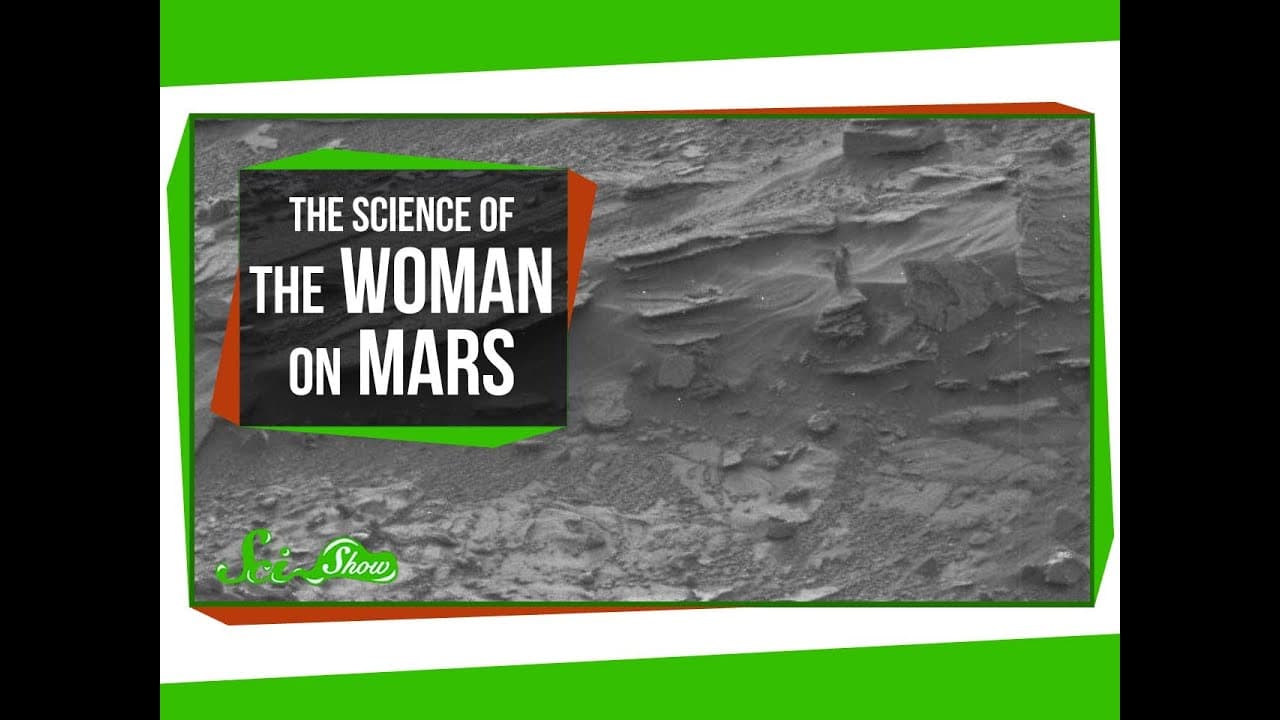
Pareidolia explains why people see shapes and figures, such as a woman, a crab, or a pyramid, in the images sent from the Mars Curiosity Rover. The brain seeks to recognize and interpret familiar shapes even when they don't exist.
Q: Are there any scientific studies on pareidolia?
Yes, a study conducted by Chinese and Canadian researchers involved showing participants images of visual static while suggesting that some contained faces or letters. The participants reported seeing something in the pictures, even though they were random. Brain scans showed increased activity in the fusiform face area, the region responsible for recognizing faces.
Q: Why do some people see faces or figures that aren't there?
People who believe in the supernatural or paranormal, such as ghosts or religious imagery, are more prone to seeing faces or assigning emotions to them. This suggests that personal beliefs may influence the perception of pareidolia.
Summary & Key Takeaways
-
The first picture shown was a Rorschach test, a psychological exercise developed by Swiss psychiatrist Herman Rorschach to gain insights into patient personalities.
-
The second picture was an image from the Mars Curiosity Rover, which has sparked speculation about the existence of aliens, creatures, and even a woman on Mars.
-
Pareidolia, the tendency to see familiar images where there are none, is responsible for these perceived figures on Mars and is a common phenomenon amongst humans.
Read in Other Languages (beta)
Share This Summary 📚
Summarize YouTube Videos and Get Video Transcripts with 1-Click
Try YouTube Summary with ChatGPT & Claude or YouTube Transcript Generator
Explore More Summaries from SciShow 📚


Summarize YouTube Videos and Get Video Transcripts with 1-Click
Try YouTube Summary with ChatGPT & Claude or YouTube Transcript Generator