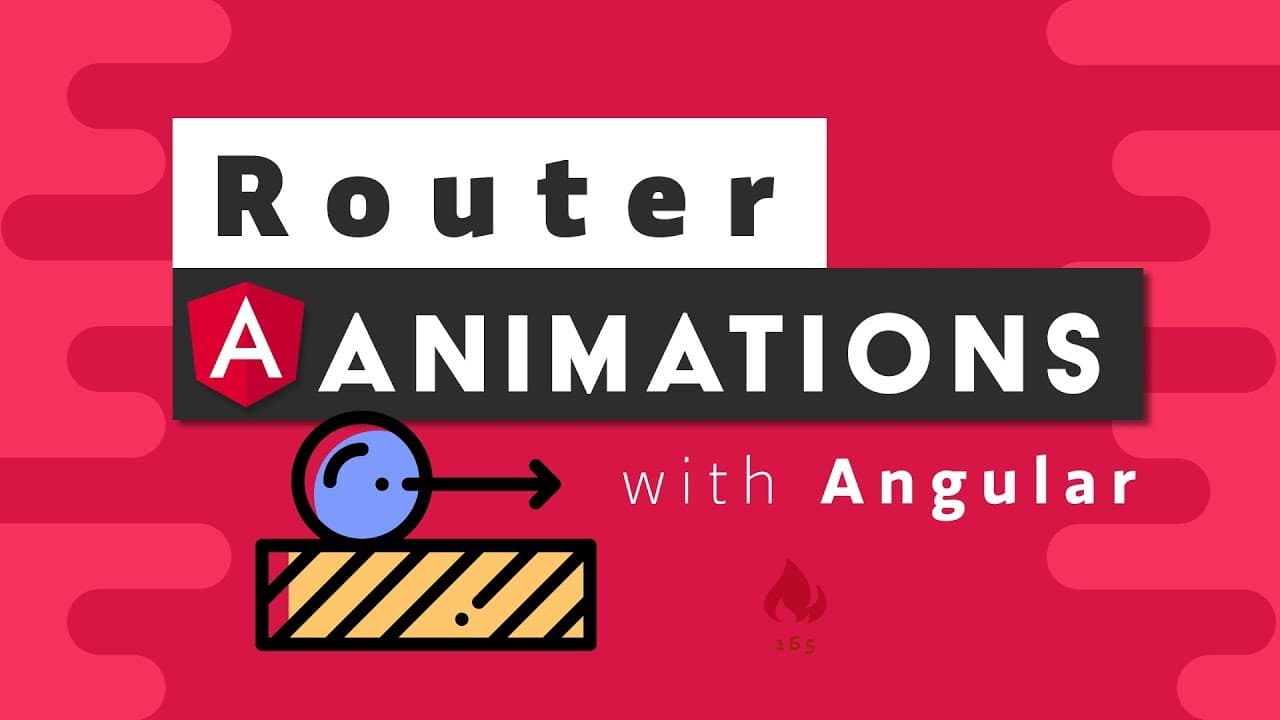
Beautiful Router Animations with Angular
TL;DR
To create router animations in Angular, import BrowserAnimationsModule, attach a routeAnimations trigger to the router outlet, and define transitions that target entering and leaving pages. The guide builds four styles: fade-in, directional slide, corner rotation, and a keyframe sequence, using route data when different routes need different effects. Read on for the setup, routing logic, selectors, and styling behind each transition.
Transcript
an easy way to make your app more polished is to implement animations between router transitions today's video is a complete guide to router animations in angular and we'll build four different styles that range from a simple fade into a complex keyframe sequence of animations if you're new here like and subscribe and grab the full source code from... Read More
Key Insights
- 😀 Router animations in Angular can greatly enhance the visual appeal and professional feel of an app.
- ⚾ The process of implementing router animations involves importing the browser animations module, defining animations in the HTML and component, and configuring the router to determine animation based on data attributes.
- 🗯️ The video demonstrates four different animation styles: fade in, slide from left to right, rotate in from top corners, and keyframe sequence.
- 😀 Customization options are available to adjust the animations according to the app's design and desired effects.
- 💦 Router animations work across different versions of Angular and can be implemented in new projects as well.
- 👨💻 The provided code examples and explanations make it easy to understand and implement router animations.
- 📟 Router animations can be used to create unique and visually engaging transitions between pages or components.
Install to Summarize YouTube Videos and Get Transcripts
Explore YouTube Video Summarizer or Get YouTube Transcript Extractor
Questions & Answers
Q: How do you implement router animations in Angular?
Import BrowserAnimationsModule into the app module and add it to the imports array. In the app component template, place the router outlet inside a main element, attach the routeAnimations trigger, and use a prepareRoute method when the animation depends on route data.
Q: Which Angular router animation styles does the guide demonstrate?
The guide demonstrates four styles: a fade-in applied to every route, a left-to-right directional slide, a page rotation from the top corners, and a keyframe sequence. In the keyframe example, the new page enters from the bottom while the old page is pushed away, spins, and scales out.
Q: How can an Angular animation choose a direction for each route?
Add an Animation property through the data attribute in each route configuration. The prepareRoute method reads that property and applies the corresponding animation, such as isRight or isLeft.
Q: Do routed Angular components need special changes for these animations?
No special changes are required inside the routed components shown in the guide. The content is animated through the router outlet, so the generated components only need to provide pages to navigate between.
Q: What do the :enter and :leave selectors represent in Angular router animations?
The :enter selector represents the new page, while :leave represents the old page. A query can select these elements from the DOM so their starting styles and transitions can be defined separately.
Q: How is a fade-in applied to every Angular route transition?
Define a trigger named routeAnimations so its name matches the trigger used in the HTML. Then use the wildcard star-arrow syntax in the transition definition, which applies the animation to every route transition.
Q: Why is the main element set to position relative?
The guide sets the main element to position relative in style.css to maintain consistent styling between page transitions. The animated entering and leaving elements are then positioned absolutely while their transition styles are applied.
Q: When is the prepareRoute method optional?
The prepareRoute method is optional when one animation is used for every route. In that case, the router outlet can be passed directly to the animation in the HTML instead of using dynamic route data to select an effect.
Summary & Key Takeaways
-
The video demonstrates four different router animations in Angular: fade in, slide from left to right, rotate in from top corners, and keyframe sequence.
-
The process involves importing the browser animations module, defining animations in the HTML and component, and configuring the router to determine animation based on data attributes.
-
The video provides code examples and explanations for each animation style.
Read in Other Languages (beta)
Share This Summary 📚
Summarize YouTube Videos and Get Video Transcripts with 1-Click
Try YouTube Summary with ChatGPT & Claude or YouTube Transcript Generator
Explore More Summaries from Fireship 📚





Summarize YouTube Videos and Get Video Transcripts with 1-Click
Try YouTube Summary with ChatGPT & Claude or YouTube Transcript Generator