A Brief History of Life: Survival Is Hard
TL;DR
The content explores the evolution of life on Earth, starting with the Archean and Proterozoic geological eons, discussing the role of geology and life in shaping the planet.
Transcript
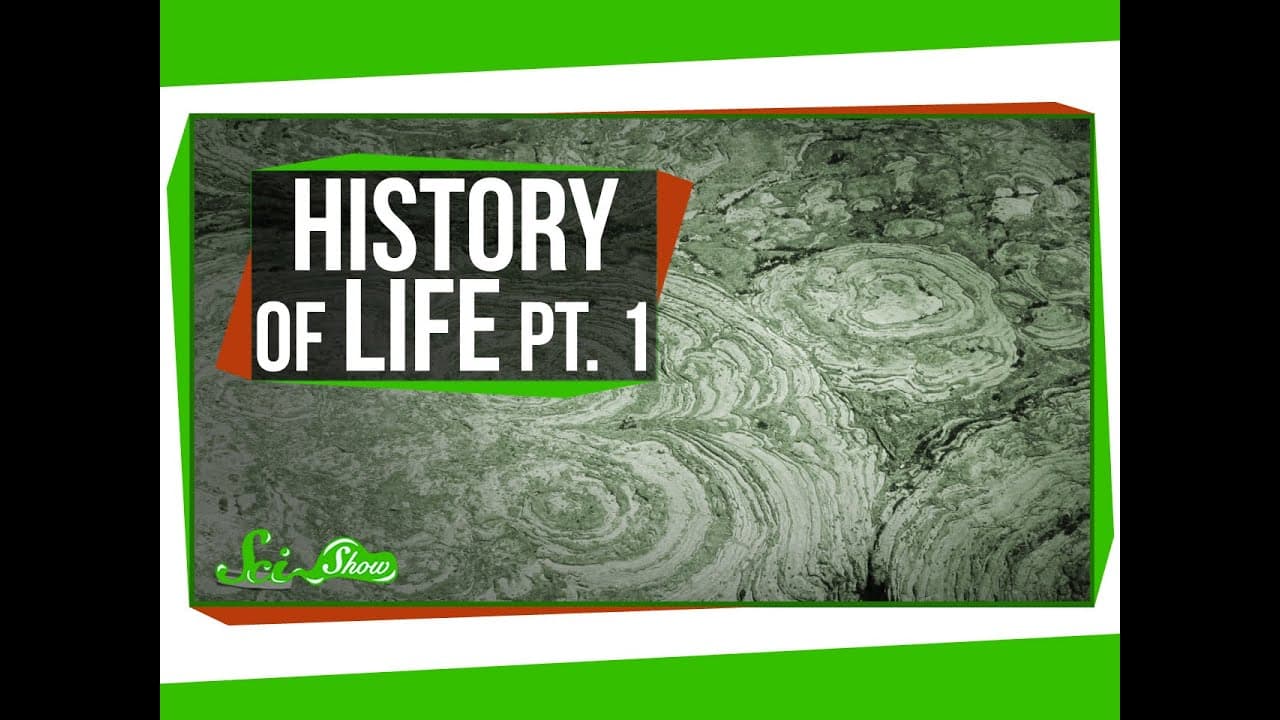
Where did life come from, and how did it come to...this? The path from bacteria to baseball wasn’t simple. In this miniseries, we’re going to explore the evolution of life on Earth. It’s been a wild journey, with plenty of twists and turns, and there were lots of times we almost didn’t make it through. This first episode is about two of the earlies... Read More
Key Insights
- 🛟 Earth's geology has been instrumental in shaping the evolution of life, while life itself has had a profound impact on Earth's geology.
- 🛟 The Archean and Proterozoic eons were crucial periods for the development and transformation of life on Earth.
- 👻 Photosynthesis played a significant role in altering the composition of the atmosphere and climate, allowing for the survival and evolution of different life forms.
Install to Summarize YouTube Videos and Get Transcripts
Explore YouTube Video Summarizer or Get YouTube Transcript Extractor
Questions & Answers
Q: How did the Archean and Proterozoic eons contribute to the development of life on Earth?
During the Archean eon, the reducing environment and lack of oxygen allowed for the formation of biological molecules, eventually leading to the emergence of living cells. The Proterozoic eon saw the development of photosynthesis, which transformed the atmosphere and climate, paving the way for more complex life forms.
Q: What evidence suggests that life may have existed 4.1 billion years ago?
Although there are no rocks or fossils older than 4 billion years, resilient crystals called zircons containing traces of 4.1 billion-year-old carbon were found in Australia. The isotopic composition of carbon in these zircons suggests the presence of life at that time.
Q: How did photosynthesis affect the Earth's atmosphere and climate?
Photosynthetic cyanobacteria released oxygen as a byproduct, which drastically changed the atmosphere by reacting with other elements and making the Earth oxygen-rich. This not only affected the survival of anaerobic life forms but also caused drastic climate changes, including the "snowball Earth" events.
Q: How did endosymbiosis contribute to the complexity of life?
Endosymbiosis, the merging of different early organisms, played a crucial role in the development of more complex life. Examples include the incorporation of aerobic bacteria into larger cells, forming mitochondria, and the engulfing of cyanobacteria by ancestor plants, leading to the presence of chloroplasts.
Summary & Key Takeaways
-
The content discusses the Archean and Proterozoic eons, which are when life began and developed on Earth, gradually transforming the atmosphere and climate.
-
It highlights the significance of Earth's geology in shaping early life and the impact of life on Earth's geology.
-
The content also covers the emergence of photosynthesis, the evolution of early organisms, and the shift towards multicellular life forms.
Read in Other Languages (beta)
Share This Summary 📚
Summarize YouTube Videos and Get Video Transcripts with 1-Click
Try YouTube Summary with ChatGPT & Claude or YouTube Transcript Generator
Explore More Summaries from SciShow 📚


Summarize YouTube Videos and Get Video Transcripts with 1-Click
Try YouTube Summary with ChatGPT & Claude or YouTube Transcript Generator