Worst Health Mistakes Young People Make
TL;DR
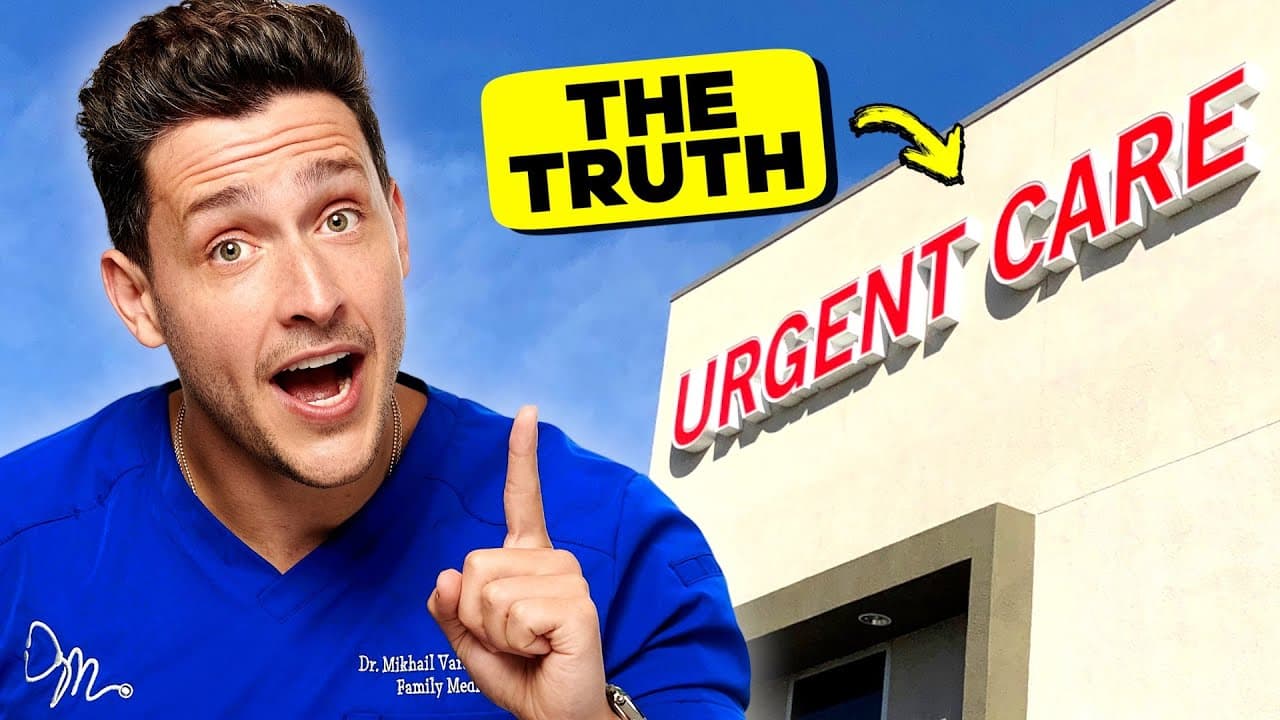
Young patients often misunderstand health concepts, relying too much on urgent care and unproven health trends.
Transcript
- Being a board certified family medicine physician, I treat patients of all ages. But I've noticed a disturbing trend amongst my young patients where they have some significant misconceptions about their health that I want to debunk right now. Huge thanks to Aflac for sponsoring this video. Let's get started. Pee-woo! Young people rely on urging c... Read More
Key Insights
- 😨 Continuity of care is essential for building a healthy patient-physician relationship for long-term health management.
- 👨⚕️ Young patients often undervalue the importance of regular health screenings, especially men, leading to preventable health issues.
- 🧑⚕️ Exercise alone cannot compensate for poor nutrition; a balanced approach is necessary for effective weight and health management.
- 💉 Unverified health trends and treatments can pose unnecessary risks without proven benefits, highlighting the need for informed healthcare choices.
- 🧑⚕️ Mental health care is crucial and should be normalized, paralleling physical health interventions for a complete well-being approach.
- 😨 Preventive care is vital, as early detection of conditions can significantly impact treatment effectiveness and quality of life.
- 🧑⚕️ Engaging patients in their health discussions, encouraging questions, and shared decision-making can lead to better health outcomes.
Install to Summarize YouTube Videos and Get Transcripts
Explore YouTube Video Summarizer or Get YouTube Transcript Extractor
Questions & Answers
Q: Why is relying on urgent care not sufficient for health needs?
Relying primarily on urgent care means missing out on continuity of care, which is crucial for long-term health. Primary care physicians build a comprehensive understanding of their patients over time, monitoring changes and providing personalized care. In contrast, urgent care visits are often brief and reactive, leading to disjointed health management.
Q: What misconceptions do young people have about diet and exercise?
Many believe they can counteract a poor diet by exercising more. However, physical fitness cannot compensate for unhealthy eating habits. A well-balanced diet and regular exercise must coexist for effective weight management and overall health—over-reliance on exercise can lead to frustration and incorrect assumptions about health.
Q: What are the risks associated with unverified health treatments?
Many young individuals turn to unproven treatments like IV drips or excessive supplements hoping for quick health improvements. However, these methods can be ineffective or even harmful. There's often a placebo effect at play, while the actual health benefits of these treatments remain unfounded in scientific evidence.
Q: Why is mental health care just as important as physical health?
Many dismiss mental health support as unnecessary or a sign of weakness, but it is essential for overall well-being. Mental health struggles can influence physical health and lead to cognitive distortions that negatively affect life quality. Just as one seeks physical therapy, prioritizing mental health treatment is crucial for holistic health.
Q: How can individuals encourage each other to seek medical attention?
Research shows that a gentle nudge from friends or family can significantly increase the likelihood of someone visiting a doctor. Encouraging loved ones to acknowledge health concerns and scheduling check-ups together can foster shared accountability and promote proactive health management, leading to positive outcomes.
Q: What should patients do to maximize their doctor appointments?
Optimizing a visit means being prepared with a focused list of concerns. If multiple issues exist, it’s beneficial to schedule separate appointments to allow adequate time for preventive care, ensuring each concern can be addressed properly without feeling rushed.
Summary & Key Takeaways
-
Many young people are increasingly relying on urgent care instead of establishing relationships with primary care physicians, which can lead to inferior health outcomes due to lack of continuity in care.
-
There is a common misconception that one can buy good health through supplements, excessive screenings, or fad diets, but health requires a holistic approach that encompasses nutrition, exercise, and mental well-being.
-
Ignoring the importance of regular check-ups and preventative screenings can create long-term health issues, especially for young men who are less likely to visit doctors compared to their female counterparts.
Read in Other Languages (beta)
Share This Summary 📚
Summarize YouTube Videos and Get Video Transcripts with 1-Click
Try YouTube Summary with ChatGPT & Claude or YouTube Transcript Generator
Explore More Summaries from Doctor Mike 📚




Summarize YouTube Videos and Get Video Transcripts with 1-Click
Try YouTube Summary with ChatGPT & Claude or YouTube Transcript Generator