English Google Webmaster Central office-hours hangout
TL;DR
John Mueller answers webmaster questions about disavow files, robots meta tags, CDNs, ranking, structured data, duplicate content, and mobile-first indexing. For non-Latin domains, he recommends saving the disavow file as UTF-8 or using the Punycode version of the domain name. He also explains that uppercase and lowercase robots directives work the same way. Read on for eight practical answers about Google Search and site management.
Transcript
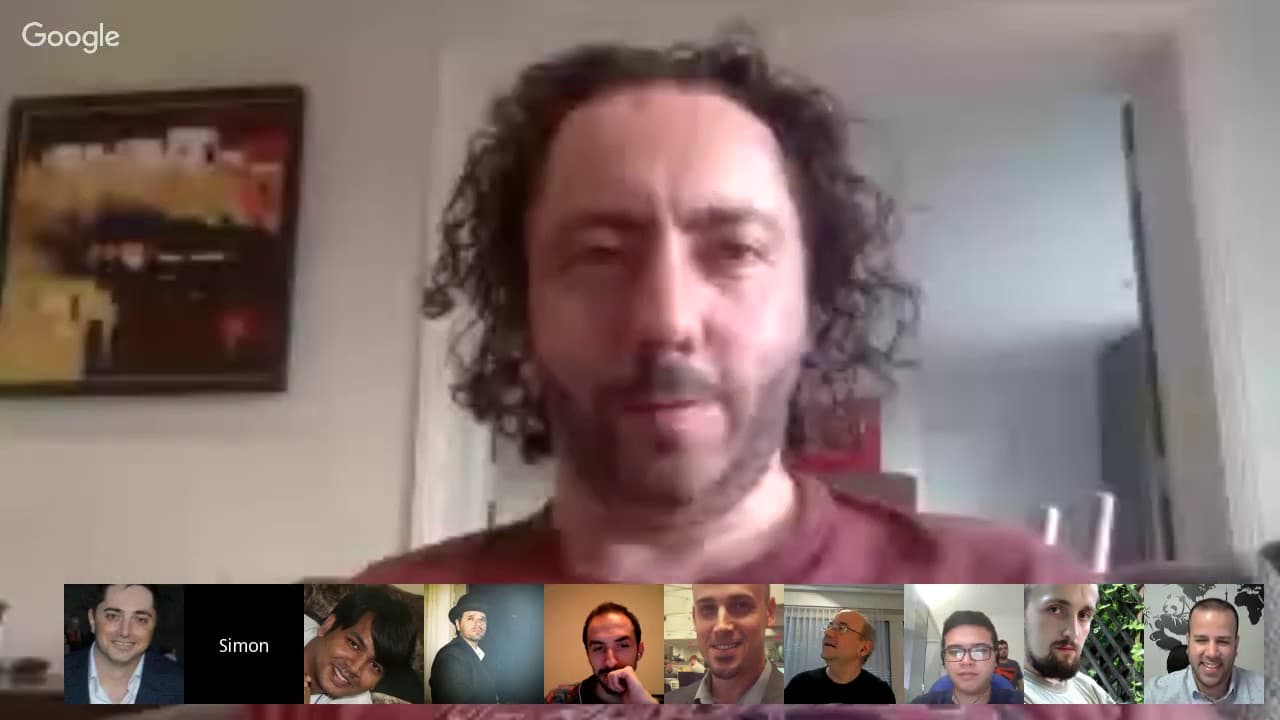
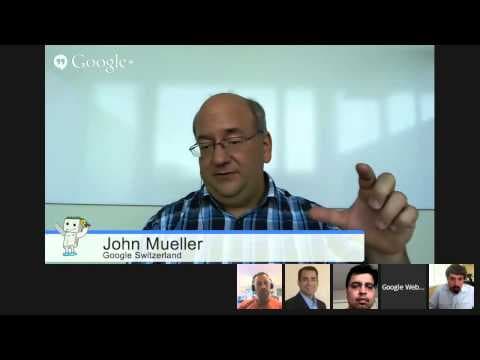
all right welcome everyone to today's Google Web Master central office hours Hangouts um happy New Year everyone uh my name is John Mueller I a Web Master Trend analyst here at Google in Switzerland and part of what we do is talk with Web Master and web Publishers like the ones here in the hangout uh like the ones that submitted a bunch of question... Read More
Key Insights
- John Mueller discusses the challenges webmasters face with disavowing URLs, particularly those with non-Latin characters, and offers solutions using UTF-8 and Punycode.
- Google does not prioritize URL structure in ranking; relevance and quality are considered separately, and localization in URLs is not a significant ranking factor.
- The importance of structured data is emphasized for understanding page content better, though it is not a direct ranking factor.
- The mobile-first index is a significant shift, requiring webmasters to ensure mobile sites are as comprehensive as desktop versions.
- Google's approach to duplicate content focuses on the value of unique, compelling content rather than a strict threshold of duplicate content.
- The introduction of penalties for mobile interstitials aims to enhance user experience by reducing intrusive pop-ups.
- John clarifies that a website's internal linking structure should be naturally crawlable, especially when using modern CMS platforms.
- The conversation highlights the importance of user experience, such as timestamping articles for better user trust and navigation.
Install to Summarize YouTube Videos and Get Transcripts
Explore YouTube Video Summarizer or Get YouTube Transcript Extractor
Questions & Answers
Q: How can webmasters disavow URLs or domains containing non-Latin characters?
Save the disavow file as UTF-8 so it can contain the original non-Latin characters. Alternatively, use the Punycode version of the domain name, which can be easier to maintain when the characters are not available on your keyboard.
Q: Can the disavow tool tell Google to ignore a redirect?
No method was available for using the disavow tool to negate a redirect. John Mueller explained that the tool is specific to links, while redirects rarely cause the kinds of harmful signals that require disavowal.
Q: Do capitalization and formatting affect noindex or nofollow directives?
No. Uppercase and lowercase directives work the same, and webmasters can use separate tags or one tag with comma-separated values; none of these formats takes effect faster or performs better.
Q: Should pages include index or follow meta tags?
They do not need to. Google ignores index and follow because those are the default behaviors; webmasters only need negative directives such as noindex, nofollow, or none when they want to restrict indexing or following.
Q: Does a website need a local IP address for geographic targeting?
No. Sites using a generic top-level domain can set geographic targeting through Search Console, and Google can handle local IP addresses supplied by a CDN without problems.
Q: Can a CDN help serve users locally without affecting Google Search?
Yes. John Mueller said many sites use CDNs and Google can handle them, so a CDN-generated local IP address is not a concern. A server close to users can reduce latency, but a CDN can provide that benefit without requiring a dedicated local IP address.
Q: Are relevance and quality the same Google ranking factor?
No. John Mueller described relevance and quality as separate values that Google evaluates separately. Relevance is particularly specific to the user and the user’s query, so improving relevance does not automatically mean the site’s quality has improved.
Q: How should a site prepare for Google’s mobile-first indexing?
The mobile version should be as comprehensive as the desktop version. Responsive design and consistent content across devices help ensure that Google can crawl, index, and evaluate the site properly under mobile-first indexing.
Summary & Key Takeaways
-
John Mueller addresses various webmaster queries, focusing on SEO practices, URL disavowals, and the implications of Google's mobile-first indexing. He emphasizes the importance of unique content and structured data.
-
The hangout covers the significance of structured data in helping Google understand page content. John also discusses the technical aspects of handling duplicate content and site migrations.
-
Webmasters are advised to prioritize user experience and site security, with discussions on mobile interstitial penalties and the importance of responsive design for the mobile-first index.
Read in Other Languages (beta)
Share This Summary 📚
Summarize YouTube Videos and Get Video Transcripts with 1-Click
Try YouTube Summary with ChatGPT & Claude or YouTube Transcript Generator
Explore More Summaries from Google Search Central 📚

Summarize YouTube Videos and Get Video Transcripts with 1-Click
Try YouTube Summary with ChatGPT & Claude or YouTube Transcript Generator