How Is Climate Change Affecting Allergy Seasons?
TL;DR
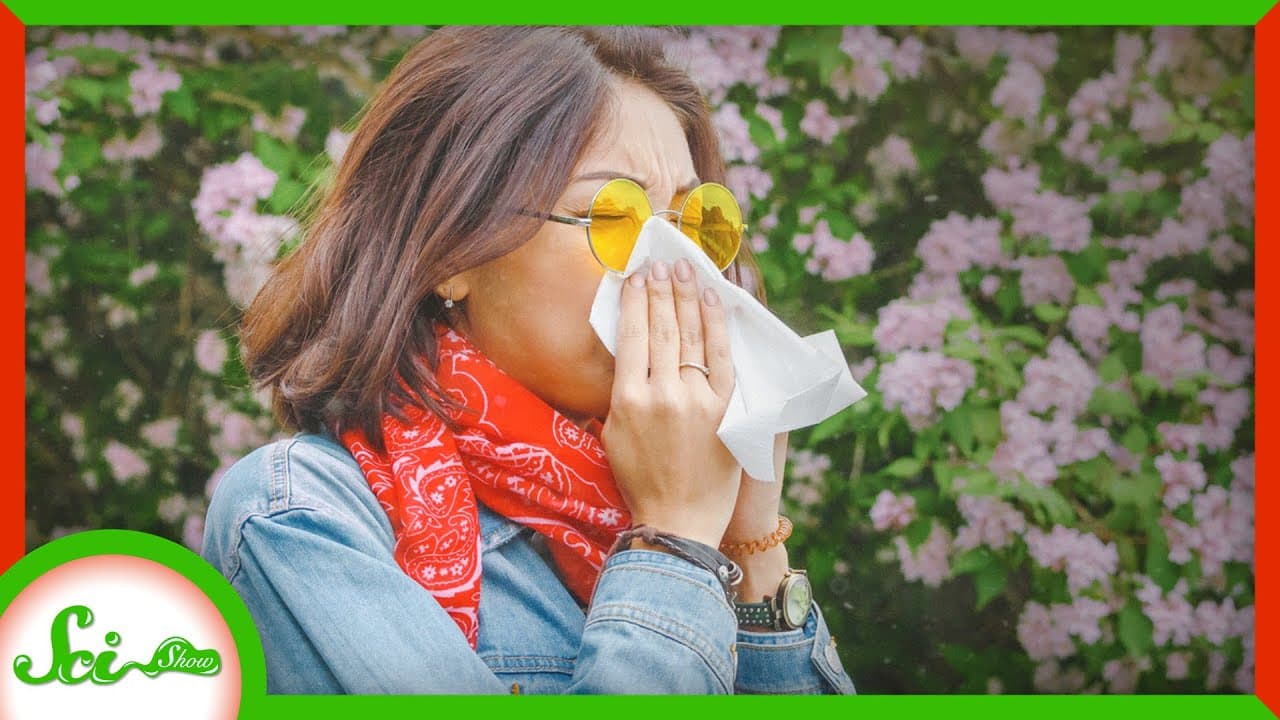
Climate change is worsening allergy seasons by causing them to start earlier, last longer, and increase pollen concentrations. Rising temperatures and elevated carbon dioxide levels boost pollen production and allergenicity, while changing weather patterns allow for the spread of allergy-inducing plants, raising the likelihood of new or unexpected allergic reactions.
Transcript
Thanks to Brilliant for supporting this episode of SciShow. Go to Brilliant.org/SciShow to start their courses in math, science, and computer science for all skill levels. [♪ INTRO] Every spring, around 20% of the population enters the season of sniffles. Just how bad those few months are depends on a lot of things, so usually, some years are w... Read More
Key Insights
- ✋ Climate change is causing pollen seasons to start earlier, with higher concentrations of pollen and longer duration.
- 😮 Rising temperatures and changing weather patterns play a significant role in worsening allergy seasons.
- ✋ Higher levels of carbon dioxide stimulate plant growth and increase pollen production.
- 🥺 Carbon dioxide also makes pollen more allergenic, leading to more severe symptoms.
- 🌱 Climate change is favoring the growth and spread of allergy-inducing plants, increasing pollen exposure.
- 🥺 Changing wind patterns can transport pollen from distant areas, leading to new or unexpected allergies.
- 🪡 The severity of allergy seasons highlights the urgent need to address climate change.
Install to Summarize YouTube Videos and Get Transcripts
Explore YouTube Video Summarizer or Get YouTube Transcript Extractor
Questions & Answers
Q: How does climate change affect allergy seasons?
Climate change is making allergy seasons worse by causing pollen seasons to start earlier, increasing pollen concentrations and duration, and favoring the spread of allergy-inducing plants.
Q: Why do rising temperatures affect pollen production?
Warmer temperatures trigger plants to start producing pollen, leading to increased pollen concentrations in the air. Additionally, rising temperatures cause different plant species to flower at the same time, resulting in more allergens in the air.
Q: How does carbon dioxide contribute to worsened allergy seasons?
Higher levels of carbon dioxide stimulate plant growth and result in larger and sturdier plants. While plants in high CO2 don't produce more flowers, the flowers they do produce end up producing more pollen. It also makes pollen more allergenic.
Q: What is the impact of climate change on allergy-inducing plants?
Climate change, with hotter and drier conditions, favors the growth of allergy-inducing plants such as hickory, oak, and slash pine. This leads to more pollen production and an increase in hay fever cases.
Summary & Key Takeaways
-
Climate change is causing allergy seasons to become more severe, with increased pollen concentrations and longer duration.
-
Rising temperatures are causing pollen seasons to start earlier and increasing the probability of hay fever symptoms.
-
Higher levels of carbon dioxide stimulate plant growth and result in more pollen production, while also making pollen more allergenic.
-
Climate change is favoring the spread of allergy-inducing plants, leading to more pollen and potential exposure to new or unexpected allergies.
Read in Other Languages (beta)
Share This Summary 📚
Summarize YouTube Videos and Get Video Transcripts with 1-Click
Try YouTube Summary with ChatGPT & Claude or YouTube Transcript Generator
Explore More Summaries from SciShow 📚


Summarize YouTube Videos and Get Video Transcripts with 1-Click
Try YouTube Summary with ChatGPT & Claude or YouTube Transcript Generator