How to Build Stronger, More Honest Relationships
TL;DR
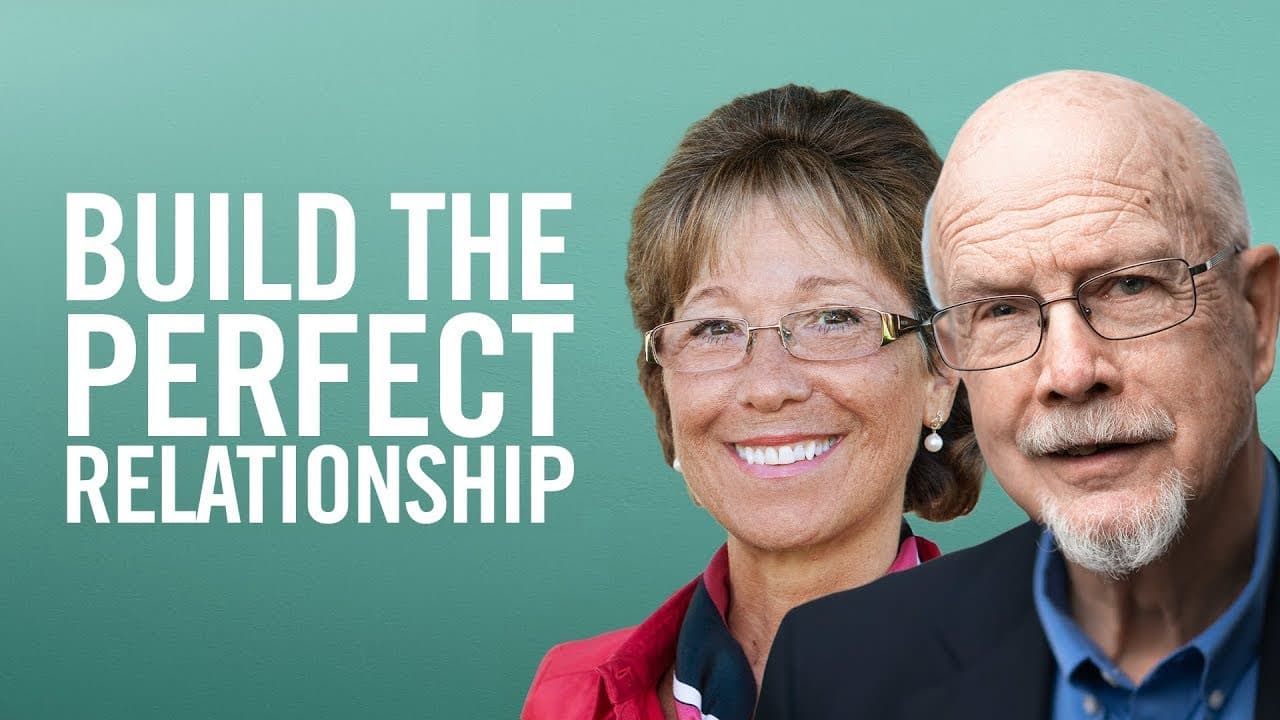
Exceptional relationships are built through authenticity, mutual trust, direct honesty, productive conflict, and a shared commitment to growth. You do not need every relationship to become exceptional, but developing these abilities can make relationships with partners, relatives, friends, and colleagues more robust while allowing selected connections to reach a much deeper level.
Transcript
how come nobody ever taught me how to handle a conflict productively how come nobody ever taught me that actually conflict can build an even stronger relationship where has this been all my life how would you define an exceptional relationship and why should we be striving to have more of them in our lives well let me answer the first part we um as... Read More
Key Insights
- Exceptional relationships are defined by six competencies: authenticity, enabling another person’s authenticity, protecting disclosures, communicating honestly, handling conflict productively, and committing to mutual growth. Together, these qualities create an environment where people can remove their protective armor and connect more openly.
- Authenticity is the ability to be yourself instead of presenting a carefully managed image. A deeper relationship becomes possible when both people can show more of who they are and deliberately create conditions that help the other person do the same.
- Trust is strengthened when personal disclosures are treated as protected information rather than ammunition. People are more able to speak openly when they believe their vulnerabilities will not later be used against them during disagreements or moments of tension.
- Honesty is direct communication that does not force either person to read between the lines. An exceptional relationship allows people to state what they experience and need, reducing the avoidance, indirect discussion, and unproductive attacks observed in both personal relationships and organizations.
- Conflict is an expected part of close relationships, not proof that the relationship has failed. The important competency is raising disagreements instead of hiding them, then working toward a resolution that can make the relationship stronger rather than leaving the underlying problem untouched.
- Raising difficult issues is a relational risk that can produce greater closeness when the intention is connection rather than attack. David Bradford describes speaking because he is hurting and wants something more, while acknowledging that not every concern necessarily needs to be raised.
- Silence has a cost because avoided concerns can prevent relationships from becoming more robust. People often err on the side of excessive caution, even though respectfully expressing feelings can open a path toward repair, understanding, and a stronger connection.
- Relationship depth exists on a continuum from basic contact to exceptional connection. Not every relationship should reach the exceptional level, but strengthening interpersonal capacities can improve many relationships and help a small number become deeply honest, trusting, and mutually supportive.
Install to Summarize YouTube Videos and Get Transcripts
Explore YouTube Video Summarizer or Get YouTube Transcript Extractor
Questions & Answers
Q: What are the six qualities of an exceptional relationship?
An exceptional relationship allows each person to be authentic and helps the other person become more authentic. Personal disclosures are protected, both people can communicate honestly, disagreements are addressed productively, and each person is committed to the other’s growth. These competencies create a relationship in which difficult truths can be raised without sacrificing trust or mutual care.
Q: How can conflict make a relationship stronger?
Conflict can strengthen a relationship when people raise the real issue instead of hiding it and seek resolution without attacking each other. The purpose should be to communicate hurt, needs, or hopes for the relationship, not to overpower the other person. Productively resolved disagreement can deepen honesty, trust, and understanding between the people involved.
Q: Why is authenticity important in close relationships?
Authenticity allows a person to stop managing an image and reveal more of who they actually are. Closeness also requires creating conditions in which the other person can be more authentic. When both people can remove some of their protective armor, they gain an opportunity for a more human, honest, and deeply connected relationship.
Q: How should personal disclosures be handled in a relationship?
Personal disclosures should be protected and never treated as material that can be used against someone later. Trust grows when each person knows that vulnerable information will remain safe, including during conflict. Without that confidence, people may protect themselves by withholding important feelings or experiences, which limits the honesty and depth the relationship can achieve.
Q: Should every relationship become exceptional?
Not every relationship needs to become exceptional because pursuing that depth everywhere would be exhausting and impossible. Relationships exist on a continuum from simple contact to exceptional connection. The practical goal is to build abilities that improve relationships generally, while developing a smaller number into exceptional relationships when both people want and support that greater depth.
Q: Why do people avoid raising difficult relationship issues?
People often avoid difficult issues because speaking openly may appear to threaten the relationship. Bradford notes that building a robust relationship sometimes requires raising the very concerns that seem capable of risking it. Although not every issue must be discussed, excessive caution can preserve unresolved pain and prevent the relationship from developing greater honesty, trust, and strength.
Q: How can someone raise a painful issue without attacking?
A painful issue can be raised by speaking from personal experience and explaining that you are hurting or want something more from the relationship. The intention should be connection and improvement, not blame, punishment, or domination. This approach means owning your own reality rather than declaring what the other person feels or listing everything they are doing wrong.
Q: Can interpersonal relationship skills improve leadership and work?
Interpersonal abilities can improve work because organizations lose time and energy when people avoid important issues, talk around problems, or attack each other unproductively. The Stanford course taught these skills to MBA students, but its principles also apply to colleagues, teams, families, partners, and friends. Stronger relationships support more honest communication and healthier conflict resolution.
Summary & Key Takeaways
-
Exceptional relationships share six competencies: each person can be authentic, helps the other be authentic, protects personal disclosures, communicates honestly, addresses disagreements productively, and supports the other person’s growth. These qualities can strengthen relationships across marriages, families, friendships, teams, communities, and organizations without requiring every connection to become equally close.
-
Relationships exist on a continuum from simple contact to exceptional connection. Moving a relationship along that continuum can make it healthier, more functional, and more robust. The goal is not to make every relationship exceptional, which would be exhausting and impossible, but to develop the capacity to deepen selected relationships when both people want that.
-
Addressing a painful issue involves risk, but silence also carries a cost. Difficult subjects can strengthen a relationship when they are raised honestly, without attacking or trying to overpower the other person. Bradford and Robin connect these interpersonal abilities to greater self-knowledge, more authentic connection, better conflict management, and stronger leadership.
Read in Other Languages (beta)
Share This Summary 📚
Summarize YouTube Videos and Get Video Transcripts with 1-Click
Try YouTube Summary with ChatGPT & Claude or YouTube Transcript Generator
Explore More Summaries from Dr Rangan Chatterjee 📚




Summarize YouTube Videos and Get Video Transcripts with 1-Click
Try YouTube Summary with ChatGPT & Claude or YouTube Transcript Generator