How to Negotiate and Authenticate Antique Finds
TL;DR
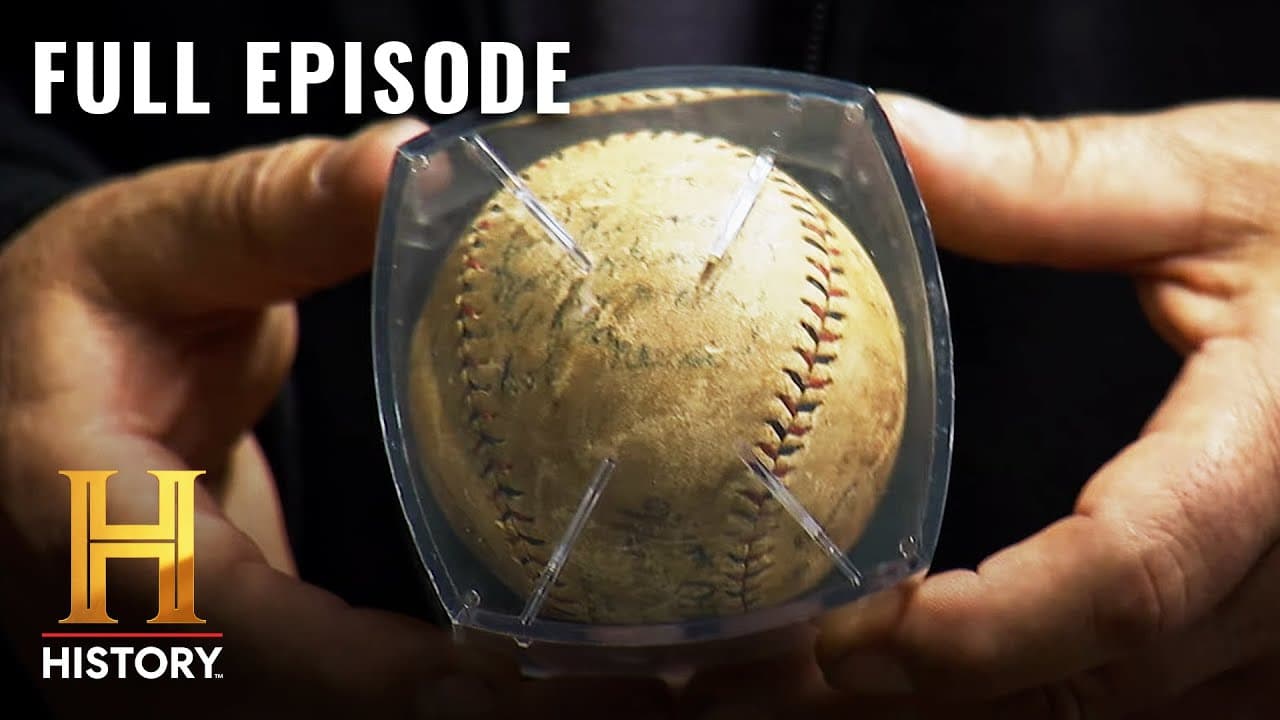
Persistent, respectful negotiation can turn a reluctant collector into a willing seller, as Mike demonstrates by buying a damaged hot-peanut machine for $495 after several counteroffers. The episode also follows the discovery, authentication, and purchase of a historic baseball associated with Babe Ruth, showing why careful examination matters before buying a potentially significant collectible.
Transcript
♪♪♪ MIKE: Dude, you haven't even told me about your trip to New York. FRANK: Wasn't much to tell, um... MIKE: What are you talking about, Dawn Carey, your high school sweetheart... FRANK: Well... I get out there. Knock on the door, and the person that answers the door looks like she's in her 70s. MIKE: She's aged that much since high school? FRANK:... Read More
Key Insights
- Wayne's collection is intended to become a museum, but crowded buildings prevent visitors from moving through it comfortably. His grandsons invite Mike and Frank because selling selected objects could create enough space for Wayne to display and enjoy the remaining collection.
- Wayne is initially unwilling to sell because he is attached to the objects he has accumulated. He rejects Mike's offers on a blanket and print-shop cabinet, then refuses Frank's attempts to buy a cigarette dispenser and four complete packaged sets of Ideal pocket knives.
- Persistent asking is central to Frank's picking method. He continues making offers after repeated refusals because, as he observes, collectors often obtain desirable objects simply by asking, and an owner's first declaration that nothing is available does not always end the discussion.
- The hot-peanut machine is valuable to Mike because it combines industrial construction, advertising, and an unusually complete operating mechanism. Although some glass is broken, the machine retains the panel marked "Hot Peanuts," which Mike considers important to its character and commercial appeal.
- Negotiation works as a social exchange between knowledgeable collectors. Mike believes Wayne expects bargaining because Wayne negotiated when acquiring his own pieces, so Mike moves from $450 to $475 and then $495 instead of immediately accepting Wayne's request for $500.
- The $495 agreement is about trust and respect as much as the final five-dollar difference. Mike interprets Wayne's acceptance as evidence that the back-and-forth established credibility, while Wayne's willingness to sell the machine breaks the initial stalemate for the visiting pickers.
- Jerry Bowden's paintings document subjects connected to Wayne's collection. Jerry describes himself as Wayne's lifelong friend and schoolmate, while Mike values the paintings for their folk-like style, strong colors, and direct relationship to physical objects displayed inside the museum.
- The historic baseball requires authentication before Frank buys it. The episode's later chapters move from discovering a ball associated with Babe Ruth to examining its authenticity and completing the purchase, demonstrating that a famous signature should be investigated before a transaction is finalized.
Install to Summarize YouTube Videos and Get Transcripts
Explore YouTube Video Summarizer or Get YouTube Transcript Extractor
Questions & Answers
Q: How do antique pickers negotiate with a reluctant seller?
Antique pickers can begin by showing genuine interest, asking about specific objects, and making clear offers without treating an initial refusal as the end of the conversation. Mike and Frank repeatedly ask Wayne about different pieces. The breakthrough comes when Mike bargains over the hot-peanut machine, moving from $450 to $475 and finally $495, which Wayne accepts.
Q: Why did Wayne's grandsons invite Mike and Frank?
Wayne's grandsons invite Mike and Frank because his buildings are packed with collected objects, making it difficult to establish the museum he wants. They hope selected sales will reduce the clutter and create a space people can walk through. Wayne does not know the pickers are coming, so his grandsons introduce the idea after they arrive.
Q: What made Wayne difficult to negotiate with?
Wayne is a quiet, old-school collector who is deeply attached to his possessions and initially says the visitors may look but that the objects are not for sale. He refuses multiple offers, including bids on a blanket, cabinet, cigarette dispenser, and packaged knives. His brief answers force Mike and Frank to demonstrate patience and keep searching for a piece he will release.
Q: Why did Mike buy the hot-peanut machine?
Mike buys the hot-peanut machine because it combines several qualities he values: industrial construction, advertising, an elaborate mechanism, and more surviving components than examples he previously encountered. Some glass is broken, including the branded panel, but he believes the plain pieces can be replaced. He also says similar peanut roasters have sold well for him before.
Q: How much did Mike pay for the hot-peanut machine?
Mike pays $495 for the hot-peanut machine. He begins with an offer of $450, while Wayne asks for $500. Mike then proposes $475 before raising the offer to $495. Wayne says that amount is close enough and accepts it. Mike views the five-dollar difference as less important than completing a respectful negotiation with Wayne.
Q: Why was the hot-peanut machine's broken glass important?
The broken glass affects both restoration and value because one panel carries the words "Hot Peanuts." Mike explains that two plain glass pieces should be easy to replace, but the branded piece should probably remain broken so the original advertising is preserved. The intact mechanism also matters because machines Mike previously owned were missing important operating components.
Q: How was the Babe Ruth baseball handled before purchase?
The baseball is treated as a potentially historic object rather than purchased immediately on appearance alone. According to the episode chapters, the sequence begins with the Babe Ruth baseball discovery, continues with authentication, and ends when Frank buys the historic ball. That progression shows that the signature and the ball's significance are examined before the transaction is completed.
Q: What types of collectibles appear in the episode?
The episode features a broad collection that includes folk-style paintings, a 1950 Chrysler limousine, a print-shop cabinet, a cigarette dispenser, packaged Ideal pocket knives, an old post-office wall unit, and a hot-peanut machine. Later chapters also identify a Mountain Dew hillbilly figure, a 1926 Rolls-Royce project, dealership material, and the historic baseball associated with Babe Ruth.
Summary & Key Takeaways
-
Mike and Frank visit Wayne's Ole Timey Stuff Museum after Wayne's grandsons invite them to help reduce its crowded collection. Wayne does not know about the visit beforehand and initially insists that nothing is for sale. His quiet manner and attachment to the objects make the opening negotiations unusually difficult.
-
After rejecting offers on a blanket, print-shop cabinet, cigarette dispenser, and packaged pocket-knife sets, Wayne finally negotiates over an elaborate hot-peanut machine. Mike values its industrial construction, advertising, and surviving mechanism despite broken glass. Starting at $450, he reaches an agreement with Wayne at $495 and breaks the negotiating deadlock.
-
The episode later moves from Wayne's museum to other notable finds, including a 1926 Rolls-Royce project and the Myers Brothers' dealership. Its central sports discovery is a historic baseball connected to Babe Ruth. The ball undergoes authentication before Frank purchases it, emphasizing the importance of verification when a collectible may carry a famous signature.
Read in Other Languages (beta)
Share This Summary 📚
Summarize YouTube Videos and Get Video Transcripts with 1-Click
Try YouTube Summary with ChatGPT & Claude or YouTube Transcript Generator
Explore More Summaries from HISTORY 📚




Summarize YouTube Videos and Get Video Transcripts with 1-Click
Try YouTube Summary with ChatGPT & Claude or YouTube Transcript Generator