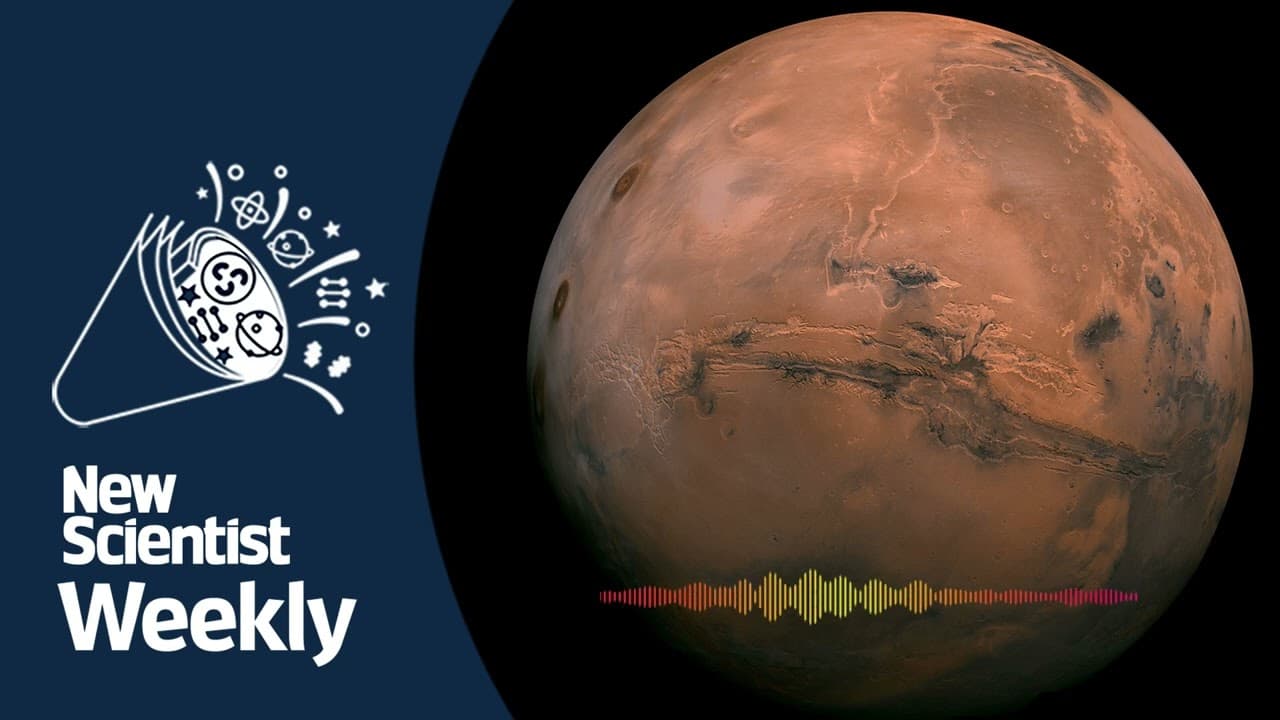
Gravity on Mars may be stirring up the oceans on Earth | New Scientist Weekly podcast 241
TL;DR
The war in Gaza has created a severe humanitarian crisis, with widespread hunger, disease, and physical injuries. Aid organizations lack long-term plans to meet the health needs of the Palestinian population.
Transcript
hello and welcome to New Scientist weekly your curated selection of the week's science stories I'm Christy Taylor in New York and I'm Sophie Bushwick also in New York this week on the podcast how distant Mars may manage to tug on Earth's oceans a hypothetical AI takeover of your music collection and an impressive new laser that uses sound plus why ... Read More
Key Insights
- 😣 The war in Gaza has created a severe humanitarian crisis, with widespread hunger, disease, and physical injuries.
- 💉 Lack of long-term plans from international aid organizations poses a significant concern for the health needs of Palestinians in Gaza.
- 🥺 Overcrowded living conditions, lack of clean water, and sanitation facilities have led to increased risks of infectious diseases.
- 😀 Children in Gaza are particularly vulnerable, facing the long-term consequences of malnutrition, mental health issues, and disrupted development.
- 🦻 The uncertainty about Gaza's future governance and limited access for aid organizations hinder effective planning and implementation of support.
Install to Summarize YouTube Videos and Get Transcripts
Explore YouTube Video Summarizer or Get YouTube Transcript Extractor
Questions & Answers
Q: What are the main consequences of the war in Gaza?
The war has resulted in widespread hunger, disease, and physical injuries among the Palestinian population. It has also caused displacement, overcrowding, and lack of access to clean water and sanitation facilities.
Q: Why are aid organizations lacking long-term plans for Gaza?
The uncertainty about Gaza's future and limited access for aid organizations make it challenging to develop comprehensive plans. Additionally, the ongoing conflict and safety concerns for aid workers hinder their ability to operate effectively.
Q: How does the current crisis impact children in Gaza?
Children in Gaza are particularly vulnerable to the consequences of the conflict. Persistent malnutrition can stunt their growth, impair brain development, and weaken their immune systems. Traumatic experiences can lead to mental health issues and disrupt their overall development.
Q: What are the factors contributing to the lack of aid plans for Gaza?
The uncertainty about Gaza's future governance and limited access for aid organizations are significant challenges. The ongoing conflict and safety concerns have also hindered aid workers' ability to assess and respond to the health needs of the population effectively.
Summary & Key Takeaways
-
The war in Gaza has resulted in intense bombing and blockades, causing widespread hunger, disease, and physical injuries.
-
The lack of concrete long-term plans from international aid organizations poses a significant concern for the health needs of Palestinians in Gaza.
-
The current crisis has led to overcrowded living conditions, lack of clean water and sanitation facilities, and increased risk of infectious diseases.
Read in Other Languages (beta)
Share This Summary 📚
Summarize YouTube Videos and Get Video Transcripts with 1-Click
Try YouTube Summary with ChatGPT & Claude or YouTube Transcript Generator
Explore More Summaries from New Scientist weekly podcast 📚

Summarize YouTube Videos and Get Video Transcripts with 1-Click
Try YouTube Summary with ChatGPT & Claude or YouTube Transcript Generator