How to Pitch Your Idea | Road to Revenue and Happiness #65
TL;DR
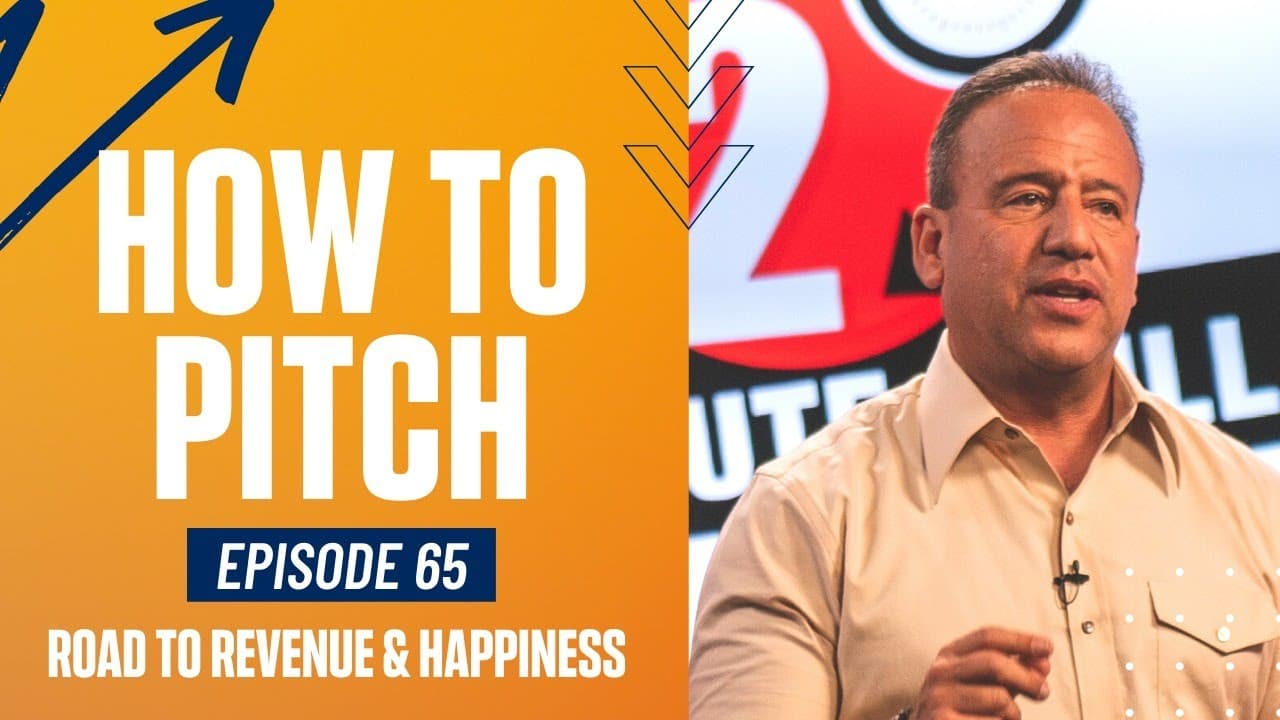
A successful pitch builds credibility, creates emotional attachment, and shows that the value offered exceeds what is being requested. David Meltzer frames pitching around three goals: stimulate interest, transition that interest, and share a vision. He also highlights a Two Minute Drill winner who practiced her pitch 400 times, demonstrating how repetition can sharpen credibility and delivery. Read on for practical guidance on structuring, refining, and presenting your pitch.
Transcript
minute drill the first pitch only show that features entrepreneurs from all walks of life competing each week for more than 50 000 in cash and prices five contestants have just two minutes to deliver their most convincing pitch ever who will fold under the pressure oh my god i'm blowing it you're right you blew it i don't want to get you fired and ... Read More
Key Insights
- The three primary reasons for pitching are to stimulate interest, transition that interest, and share a vision.
- Credibility is the most critical aspect of a pitch, and it can be easily lost through overselling or manipulation.
- Emotional attachment is crucial as people buy on emotion and justify with logic.
- Quantifying and articulating the value of your pitch is essential to demonstrate that what you offer is greater than what you're asking for.
- Impact adds exponential value to your pitch, enhancing emotional attachment and credibility.
- Features and benefits should be used as an arsenal of value, not as the main focus of the pitch.
- Practice is key to delivering a successful pitch; repetition builds confidence and clarity.
- Finding people with open minds, open hearts, and open hands increases the likelihood of a successful pitch.
Install to Summarize YouTube Videos and Get Transcripts
Explore YouTube Video Summarizer or Get YouTube Transcript Extractor
Questions & Answers
Q: How do you deliver a successful pitch?
Start by establishing credibility, creating emotional attachment, and articulating why the value you offer is greater than what you are asking for. Focus on what people are listening for, then practice repeatedly so you can remove anything that sounds exaggerated, manipulative, or unclear.
Q: What are the three reasons to pitch?
The three reasons are to stimulate interest, transition that interest, and share a vision. The pitch should first attract attention, then move that interest toward a vision that both sides can understand and support.
Q: Why is credibility the most important part of a pitch?
Credibility determines whether listeners search for more value and truth in your proposal or begin looking for problems and reasons to reject it. Lying, overselling, back-end selling, manipulating, or cheating can destroy credibility, even when the misleading impression is unintentional.
Q: Why does emotional attachment matter in a pitch?
Emotional attachment matters because people buy on emotion and justify with logic. Understanding what listeners like or dislike about the offer helps you strengthen its appeal while supporting the pitch with logical value.
Q: How should you quantify the value of a pitch?
Explain why the value being offered is greater than what you are requesting in return. Articulate the proposal's reasons, benefits, impacts, and capabilities so the listener can understand the value exchange.
Q: How much should you practice a pitch?
Meltzer describes a Two Minute Drill winner who practiced her pitch 400 times and used the perfect pitch document to examine her credibility carefully. The example shows that repeated practice can help refine both the content and delivery, even when another contestant has extensive television experience.
Q: How should features and benefits be used in a pitch?
Features and benefits should serve as an arsenal of value rather than become the pitch's main focus. They work best when they support credibility, emotional attachment, and the claim that the listener will receive more value than they give.
Q: How do you find the right audience for a pitch?
Look for people with open minds, open hearts, and open hands, and pay attention to what they are listening for. Meltzer also identifies two ways to improve pitching success: make more people aware of the pitch and increase the number who become interested enough to move toward a shared vision.
Summary & Key Takeaways
-
David Meltzer emphasizes the importance of credibility and emotional attachment in making a successful pitch. He outlines that people buy on emotion and justify with logic, making emotional connection a critical component.
-
The perfect pitch involves articulating the quantitative value of what you offer, ensuring it exceeds what you ask for. This involves understanding the reasons, impacts, and capabilities of your proposal.
-
Meltzer highlights the significance of practice in refining your pitch. He advocates for understanding what people are listening for and being more interested than interesting to increase the effectiveness of your pitch.
Read in Other Languages (beta)
Share This Summary 📚
Summarize YouTube Videos and Get Video Transcripts with 1-Click
Try YouTube Summary with ChatGPT & Claude or YouTube Transcript Generator
Explore More Summaries from David Meltzer 📚

Summarize YouTube Videos and Get Video Transcripts with 1-Click
Try YouTube Summary with ChatGPT & Claude or YouTube Transcript Generator