What Is the Cultural Significance of Merch Today?
TL;DR
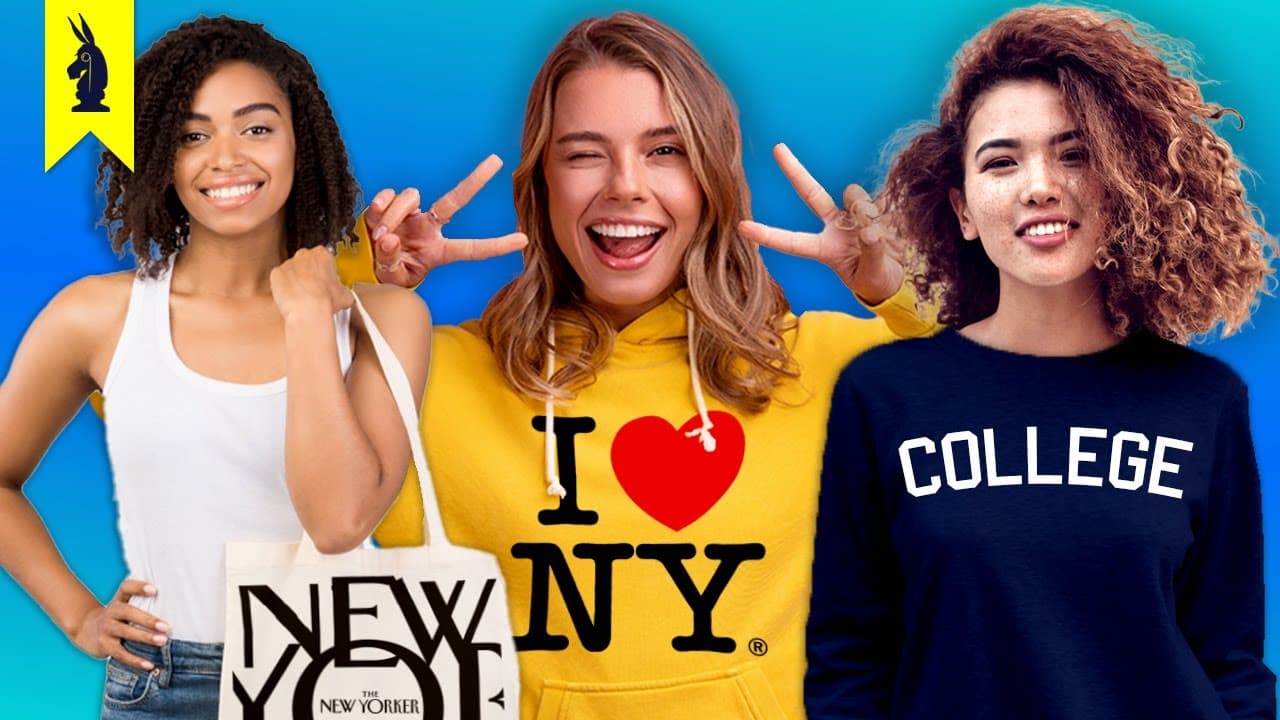
Merch has evolved into a key cultural symbol reflecting personal identity and values, moving beyond simple souvenirs to items that express taste and belonging. With the rise of the aspirational class, consumers prioritize cultural capital over wealth, making merch a vital means of self-expression, especially in a world where traditional community ties are fraying.
Transcript
- This video is brought to you by Raycon. (light music) What's up, guys? Michael here. In case you've been trapped in a Weezer-branded snuggie since 2009, allow us to bring you up to speed. Everyone is obsessed with merch. There's the McDonald's chicken nugget pillow. There's A24's film-themed candles and logo-emblazoned packing tape. There's merch... Read More
Key Insights
- 🤬 The concept of merch has broadened to include cultural symbols that convey personal identity and social belonging.
- 👅 The aspirational class prioritizes cultural savvy over economic wealth, shaping purchasing behaviors around values and tastes.
- 💄 Technological advancements have democratized the merch industry, making it accessible for creators across various sectors.
- 👶 As traditional community affiliations decline, brands now serve as new constructs for identity and social order.
- ❓ The increased focus on branding has shifted marketing efforts to emphasize consumer experiences and community rather than just product quality.
- 👨💼 Merch has become a vital revenue source for businesses, especially in the wake of the COVID-19 pandemic, where unique products foster community ties.
- 👥 Consumers today use merch as a way to navigate social groups and express affiliations, indicating a preference for communal identity over mere wealth signaling.
Install to Summarize YouTube Videos and Get Transcripts
Explore YouTube Video Summarizer or Get YouTube Transcript Extractor
Questions & Answers
Q: How has the perception of merch evolved over the years?
Originally, merch was primarily associated with concerts and corporate giveaways. However, its function has now expanded to encompass cultural identity and personal values. Today, people seek out merch not only as memorabilia but also as a way to express their tastes and connection to specific communities or brands.
Q: What is the significance of the aspirational class in the context of merch?
The aspirational class has emerged as a cultural identifier rather than a purely economic one. These individuals prioritize brands based on cultural knowledge and values instead of wealth alone. This shift emphasizes personal expression through merch, allowing individuals to showcase their tastes without necessarily having economic means to match traditional indicators of wealth.
Q: How do brands leverage merch to connect with consumers?
Brands increasingly use merch as a way to foster a sense of community and identity among consumers. Instead of focusing solely on quality, they highlight values like sustainability and authenticity. By aligning their products with certain lifestyles, brands create emotional connections, encouraging consumers to purchase merch as a form of self-expression and belonging.
Q: What role does technology play in the merch industry?
Advances in manufacturing technologies have significantly lowered production costs, making it feasible for a wide range of creators to offer merch. These innovations enable rapid design and distribution, leading to the proliferation of unique and niche products that resonate with diverse audiences, from musicians to local businesses.
Q: How has the pandemic influenced merch sales?
During the pandemic, many local businesses turned to merch as a means of survival, creating unique branded items that reinforced community bonds. This shift not only provided additional revenue streams for struggling businesses but also allowed consumers to connect with their favorite local establishments and express their support in a tangible way.
Q: Why are logos and slogans considered primary means of self-expression today?
As traditional community structures have eroded, brands have filled the void by providing new avenues for identity creation. Logos and branded merch allow individuals to communicate their values, interests, and affiliations quickly and visibly, helping to define their social standing in a world where conventional markers of success are increasingly out of reach.
Q: What does the term "conspicuous consumption" mean in the context of merch?
Conspicuous consumption traditionally referred to purchasing goods to display wealth. In today's context, merch represents a new form of conspicuous consumption focused on cultural capital rather than financial wealth. People now showcase their identities and social aspirations through the brands and items they choose to wear or use, valuing symbolism and community over exclusivity.
Summary & Key Takeaways
-
The evolution of merchandising reflects significant societal changes, transitioning from traditional branded items to a diverse range of cultural products that express personal identity and values.
-
The rise of the aspirational class has shifted consumer focus from wealth status to cultural capital, emphasizing taste and lifestyle choices in purchasing behavior.
-
Technological advancements in manufacturing and marketing strategies have allowed anyone, from musicians to influencers, to profit from merch, making it a viable outlet for self-expression.
Read in Other Languages (beta)
Share This Summary 📚
Summarize YouTube Videos and Get Video Transcripts with 1-Click
Try YouTube Summary with ChatGPT & Claude or YouTube Transcript Generator