How AI and Robotics Will Transform Future Industries
TL;DR
AI and robotics are set to revolutionize industries by increasing productivity and reducing costs. This technological shift promises economic growth and societal advancements, but also poses challenges like job displacement and cultural tensions. The key to navigating this disruption lies in embracing rapid technological change while addressing regulatory and societal hurdles.
Transcript
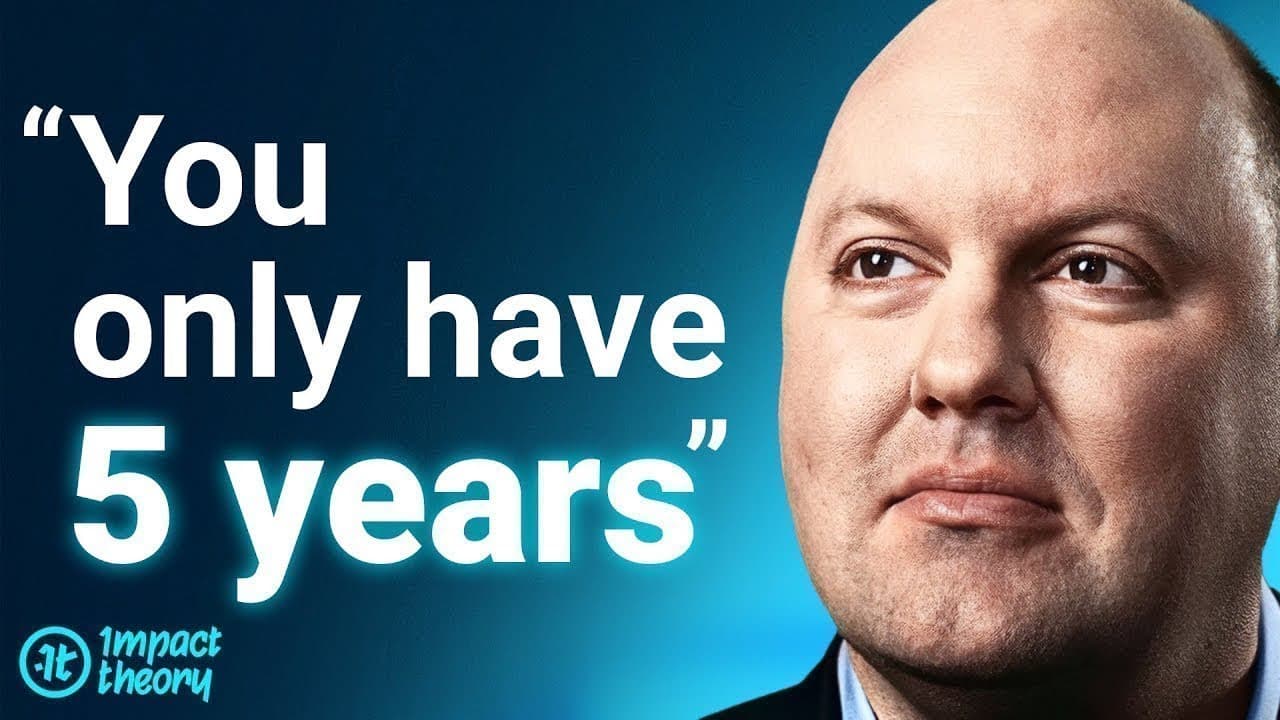
I think the AI censorship Wars are going to be a thousand times more intense and a thousand times more important my guest today is someone who doesn't just keep up with Innovation he creates it the incredible Mark Andre trust me when someone like Mark who spent his entire career betting on the future says this is the next major disruption you need ... Read More
Key Insights
- AI is seen as a major disruption comparable to the microprocessor and internet.
- Technological progress is crucial for rapid economic growth and positive-sum politics.
- Healthcare, education, and housing are slow sectors with rising costs due to regulation.
- AI censorship is a significant concern, with debates on how truth is framed.
- Elon Musk's approach focuses on rapid iteration and engineering-driven decision-making.
- Occupational licensing and regulation hinder economic dynamism and innovation.
- Argentina's deregulation efforts under Javier Mele show potential for economic revival.
- Freedom of speech is critical for societal progress and understanding ground truth.
Install to Summarize YouTube Videos and Get Transcripts
Explore YouTube Video Summarizer or Get YouTube Transcript Extractor
Questions & Answers
Q: How will AI and robotics impact job markets?
AI and robotics are expected to displace many jobs by automating tasks traditionally done by humans. While some workers will adapt by acquiring new skills, others may struggle to find their place in the evolving economy. This shift necessitates discussions on social safety nets and re-skilling programs to support those affected by technological advancements.
Q: Why are healthcare, education, and housing costs rising?
The costs of healthcare, education, and housing are rising due to slow technological adoption and heavy regulation. These sectors face significant barriers to innovation, resulting in limited supply and escalating prices. Addressing these challenges requires introducing modern technology and reducing regulatory burdens to enhance efficiency and reduce costs.
Q: What role does AI censorship play in society?
AI censorship can shape societal narratives by controlling the information people receive. This control can influence public perception and stifle open discourse, leading to a lack of diverse viewpoints. Ensuring AI systems are designed to be truth-seeking and unbiased is crucial to maintaining freedom of speech and enabling informed decision-making.
Q: How does Elon Musk's approach differ from traditional companies?
Elon Musk's approach focuses on rapid iteration, engineering-driven decision-making, and direct problem-solving. Unlike traditional companies that are often bogged down by bureaucracy and long planning cycles, Musk emphasizes speed, efficiency, and hands-on involvement in technical details, allowing his companies to innovate and adapt quickly.
Q: What is the significance of Argentina's deregulation efforts?
Argentina's deregulation efforts under President Javier Mele aim to reduce regulatory burdens and stimulate economic growth. By removing constraints across various sectors, the country seeks to enhance productivity, reduce inflation, and create a more dynamic economy. This approach serves as a potential model for other nations facing similar challenges.
Q: Why is freedom of speech important in the context of AI?
Freedom of speech is crucial in the context of AI as it allows for open discourse and the exchange of diverse ideas. Without it, AI systems could be used to control narratives and limit access to information, hindering societal progress. Ensuring AI is designed to support free expression is essential for fostering innovation and understanding.
Q: What challenges do occupational licensing and regulation pose?
Occupational licensing and regulation can stifle economic dynamism by creating barriers to entry and limiting competition. These constraints often protect established interests at the expense of innovation and efficiency. Reducing unnecessary regulations can enhance economic flexibility and allow for more rapid technological adoption across sectors.
Q: How can technological change address inflation?
Technological change can address inflation by increasing productivity and reducing costs in key sectors like healthcare, education, and housing. By integrating modern technology and reducing regulatory constraints, these sectors can become more efficient, leading to lower prices and improved access to essential services, ultimately curbing inflation.
Summary & Key Takeaways
-
AI and robotics are poised to drive significant economic and societal change, offering opportunities for growth but also presenting challenges like job displacement. The conversation highlights the need for rapid technological adoption, particularly in sectors like healthcare and education, to reduce costs and enhance productivity. However, regulatory hurdles and societal resistance to change remain significant obstacles.
-
Elon Musk's approach to business, characterized by rapid iteration and a focus on engineering, contrasts with traditional corporate practices bogged down by bureaucracy. His method underscores the importance of direct problem-solving and innovation in achieving technological breakthroughs, as demonstrated by companies like SpaceX and Tesla.
-
The discussion emphasizes the importance of freedom of speech and the dangers of AI censorship, as controlling information can shape societal narratives and influence public perception. The need for open discourse and truth-seeking in AI development is paramount to ensure that technology serves as a tool for progress rather than control.
Read in Other Languages (beta)
Share This Summary 📚
Summarize YouTube Videos and Get Video Transcripts with 1-Click
Try YouTube Summary with ChatGPT & Claude or YouTube Transcript Generator
Explore More Summaries from Tom Bilyeu 📚



Summarize YouTube Videos and Get Video Transcripts with 1-Click
Try YouTube Summary with ChatGPT & Claude or YouTube Transcript Generator