What Led to the Outbreak of World War I in 1914?
TL;DR
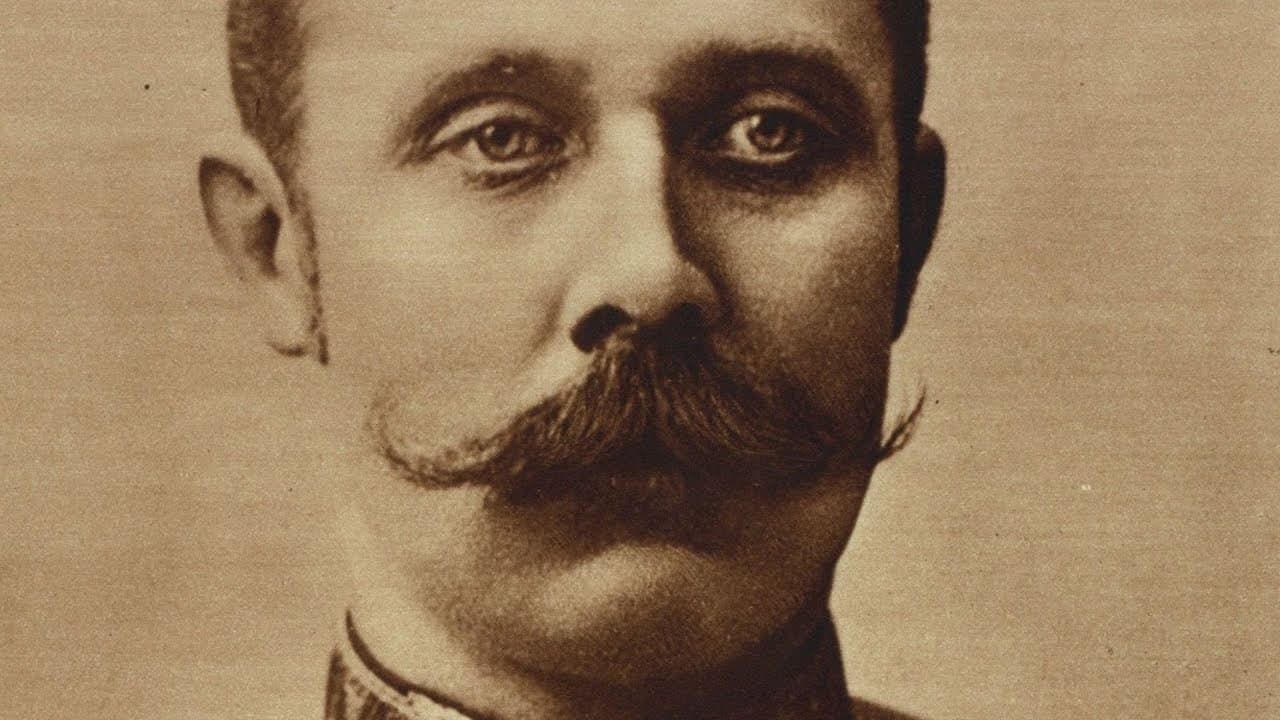
The outbreak of World War I in 1914 was the result of complex political, cultural, and ethnic dynamics in the Balkans, alongside interconnected European states and shifting power balances. The assassination of Archduke Franz Ferdinand was a culmination of chaotic decisions and tensions among multiple actors, indicating that the war was not caused by a single event but rather a web of historical forces.
Transcript
well ladies and gentlemen I'd like to um Begin by um thanking uh s Richard Evans and Valerie shrimplin for inviting me to present this lecture uh this evening and I'd like to also to thank all of you for coming along and I'd like to thank uh and also apologize to the people who are standing outside and when hopes perhaps watching this from home in ... Read More
Key Insights
- 🥺 The events leading up to the assassination of Archduke Franz Ferdinand were influenced by the complex political, cultural, and ethnic dynamics in the Balkans.
- 🫱 The interconnectedness between European states and the shifting power dynamics created a volatile environment that increased the likelihood of war.
- 🧑🏭 The outbreak of World War I was not solely caused by the actions of one country. It was a culmination of decisions made by various actors in a multi-polar European political landscape.
- ⁉️ Understanding the complexity of the outbreak of World War I requires examining the how and why questions, rather than focusing solely on assigning blame.
Install to Summarize YouTube Videos and Get Transcripts
Explore YouTube Video Summarizer or Get YouTube Transcript Extractor
Questions & Answers
Q: Who were the main actors involved in the events leading up to World War I?
The main actors involved were Archduke Franz Ferdinand, his wife Sophie, the Serbian nationalist Gavrilo Princip, and various politicians and leaders from Austria-Hungary, Serbia, Germany, France, Russia, and other European countries.
Q: How did the assassination of Archduke Franz Ferdinand lead to the outbreak of the war?
The assassination of Archduke Franz Ferdinand was a catalyst that escalated tensions between Austria-Hungary and Serbia. It led to a series of diplomatic disputes and ultimately triggered a chain of events that resulted in various countries declaring war on each other.
Q: What role did nationalism play in the outbreak of World War I?
Nationalism played a significant role in the outbreak of the war. The rising tensions between different ethnic groups in the Balkans and the desire for independence and territorial expansion fueled nationalist sentiments and conflicts that ultimately contributed to the outbreak of the war.
Q: How did the global political landscape and power dynamics influence the outbreak of World War I?
The global political landscape, characterized by competing empires, shifting alliances, and rising powers, created a volatile environment that increased the likelihood of war. Power struggles, territorial disputes, and fears of encirclement fueled tensions between countries and ultimately led to the outbreak of the war.
Summary & Key Takeaways
-
The analysis begins by discussing the events leading up to the assassination of Archduke Franz Ferdinand and his wife in Sarajevo on June 28, 1914.
-
It highlights the importance of understanding the context of the Balkan wars and the shifting powers in the region, as well as the interconnectedness between European states.
-
The complex decision-making processes, chaotic power dynamics, and global tensions contribute to the outbreak of the war.
Read in Other Languages (beta)
Share This Summary 📚
Summarize YouTube Videos and Get Video Transcripts with 1-Click
Try YouTube Summary with ChatGPT & Claude or YouTube Transcript Generator
Explore More Summaries from Gresham College 📚

Summarize YouTube Videos and Get Video Transcripts with 1-Click
Try YouTube Summary with ChatGPT & Claude or YouTube Transcript Generator