What Does Polar Bear Milk Taste Like and Why?
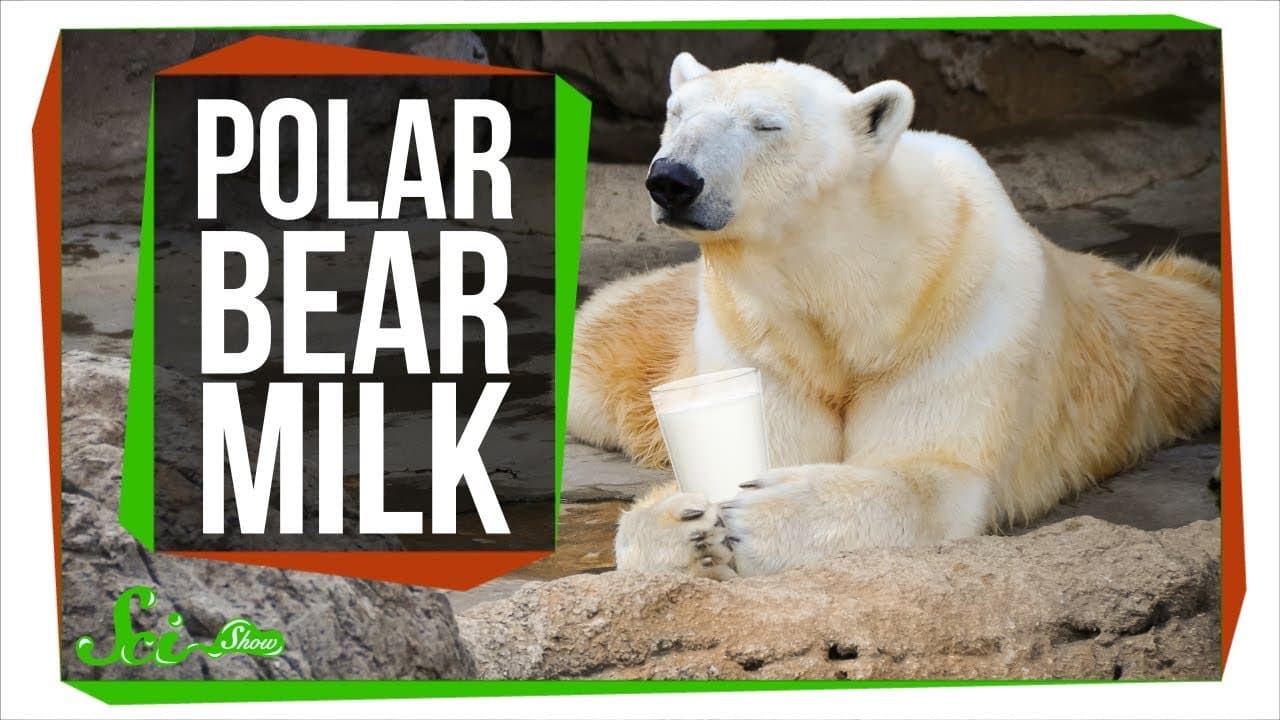
TL;DR
Polar bear milk tastes creamy, fishy, and salty due to its high fat and protein content, which supports cub development. The unique flavor comes from the mother's diet of seal blubber, and the milk's composition is crucial for the cubs' health, growth, and ability to stay warm in freezing temperatures.
Transcript
[ INTRO ] Science is all about asking important questions. Like: What does polar bear milk taste like? And the best way to find that out is… well… to taste it. So that’s exactly what polar bear scientist Andrew Derocher did. Turns out it’s got a creamy texture, and it’s a bit chalky, salty and even fishy. And that reveals a lot about its compositio... Read More
Key Insights
- 🐻❄️ Polar bear milk's composition provides valuable information about the species' needs and behaviors.
- 👅 The milk's taste reflects the mother's diet, with a fishy and salty flavor.
- 🥳 The high fat and protein content of the milk allows cubs to consume small amounts per day.
- 🐻❄️ Polar bear milk serves as biological fuel for the cubs, helping them keep warm in freezing temperatures.
- 🐻❄️ Protein digestion can be troublesome for polar bears, leading them to focus on consuming fat-rich foods like seal blubber.
- 🐻❄️ Polar bear milk contains nutrients, immune cells, antibodies, and vitamin D, vital for cub growth and strengthening their bones.
- 🐻❄️ Persistent pollutants in the Arctic, accumulating in polar bear fat, pose potential risks to cub health and development.
Install to Summarize YouTube Videos and Get Transcripts
Explore YouTube Video Summarizer or Get YouTube Transcript Extractor
Questions & Answers
Q: Why does polar bear milk taste fishy?
Polar bear milk tastes fishy due to the fishy-smelling oils from the seal blubber consumed by the mother. These oils provide essential nutrients for the cubs and are present in the milk.
Q: How much milk does a polar bear cub drink per day?
A 50 kilogram, 8-month-old polar bear cub only consumes about 470 grams of milk per day. This is relatively small compared to human babies, who drink around 750 grams of milk per day at the same age.
Q: How does polar bear milk differ from human milk?
Polar bear milk is much richer than human milk, with higher levels of fat and protein. However, human milk contains more lactose or "milk sugar," which helps nurture the intestinal microbes and boosts the baby's immune system.
Q: Why do polar bear mothers produce fatty milk while starving?
Polar bear mothers produce fatty milk to ensure the quick development of their cubs. The fat and nutrients in the milk help the cubs gain weight faster, reducing their vulnerability to predators or rivals.
Summary & Key Takeaways
-
Polar bear milk composition reveals insights into the lives of polar bears and their unique needs.
-
The milk's taste is fishy and salty due to the fishy-smelling oils from the seal blubber consumed by the mother.
-
The milk is high in fat and protein, allowing cubs to drink relatively small amounts per day.
Read in Other Languages (beta)
Share This Summary 📚
Summarize YouTube Videos and Get Video Transcripts with 1-Click
Try YouTube Summary with ChatGPT & Claude or YouTube Transcript Generator
Explore More Summaries from SciShow 📚


Summarize YouTube Videos and Get Video Transcripts with 1-Click
Try YouTube Summary with ChatGPT & Claude or YouTube Transcript Generator