What Makes a Successful Dictator?
TL;DR
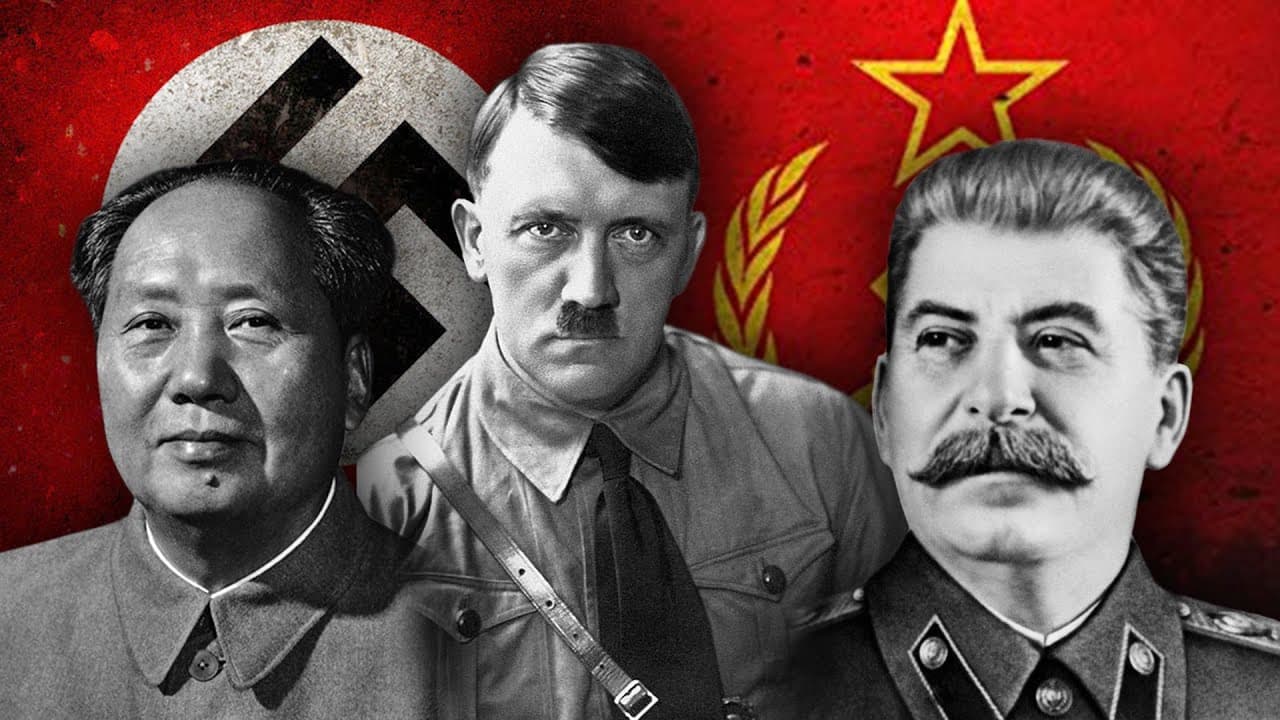
Successful dictators share common traits but also exhibit unique characteristics tailored to their specific contexts. They navigate the paradox of using fear to maintain control while crafting a cult of personality to foster the illusion of popular support. Frank Dikotter's insights into their opportunistic strategies reveal the complexities of authoritarian rule.
Transcript
oh hello there friends today we are going to learn how to be a dictator what kind of Frank Dakota is an author and his most recent book how to be a dictator looks at eight of the most chillingly effective dictators of the 21st century so we're gonna learn about Mussolini Hitler Stalin Mao Zedong Kim il-sung and a couple of leaders that I'm going to... Read More
Key Insights
- ✊ Dictators must navigate the contradictory trends of democracy and concentrated power to seize and maintain control.
- 👯 A cult of personality is crucial for dictators to coerce people into supporting them and create an illusion of consent.
- ✌️ Successful dictators are opportunistic and pragmatic, seizing opportunities to consolidate power and turn defeat into victory.
Install to Summarize YouTube Videos and Get Transcripts
Explore YouTube Video Summarizer or Get YouTube Transcript Extractor
Questions & Answers
Q: What inspired Frank Dakota to write the book "How to Be a Dictator"?
Dakota, a historian, was intrigued by the contradictory trends of democracy and concentrated power in the 20th century and wanted to explore the attempts to concentrate power in the hands of dictators.
Q: How do dictators create the illusion of popular support?
Dictators use tactics such as terror, secret police, and concentration camps to coerce people into acclaiming them. They also build up a cult of personality, forcing their people to support and celebrate them.
Q: Are dictators motivated by power or ideology?
While there is an ongoing debate, Dakota argues that loyalty to the dictator's person is more important than loyalty to any specific ideology. Dictators view power as essential to maintain control and prevent rivals from overthrowing them.
Q: What challenges do dictators face in maintaining loyalty among their allies and preventing coups?
Dictators constantly worry about betrayal and have to strike a delicate balance between hubris and paranoia. They rely on purges and cults of personality to ensure that those around them maintain loyalty and do not organize coups.
Summary & Key Takeaways
-
Frank Dakota's book, "How to Be a Dictator," examines the lives and reigns of influential dictators such as Mussolini, Hitler, Stalin, Mao Zedong, and Kim il-sung.
-
The book reveals that while dictators share some common characteristics, they are also distinct individuals who seize and maintain power in different ways.
-
Dakota emphasizes the paradox of dictators, who must use coercion and fear while simultaneously creating an illusion of popular support through cults of personality.
Read in Other Languages (beta)
Share This Summary 📚
Summarize YouTube Videos and Get Video Transcripts with 1-Click
Try YouTube Summary with ChatGPT & Claude or YouTube Transcript Generator
Explore More Summaries from Chris Williamson 📚





Summarize YouTube Videos and Get Video Transcripts with 1-Click
Try YouTube Summary with ChatGPT & Claude or YouTube Transcript Generator