What to say when questioned on vaccines at a Senate hearing
TL;DR
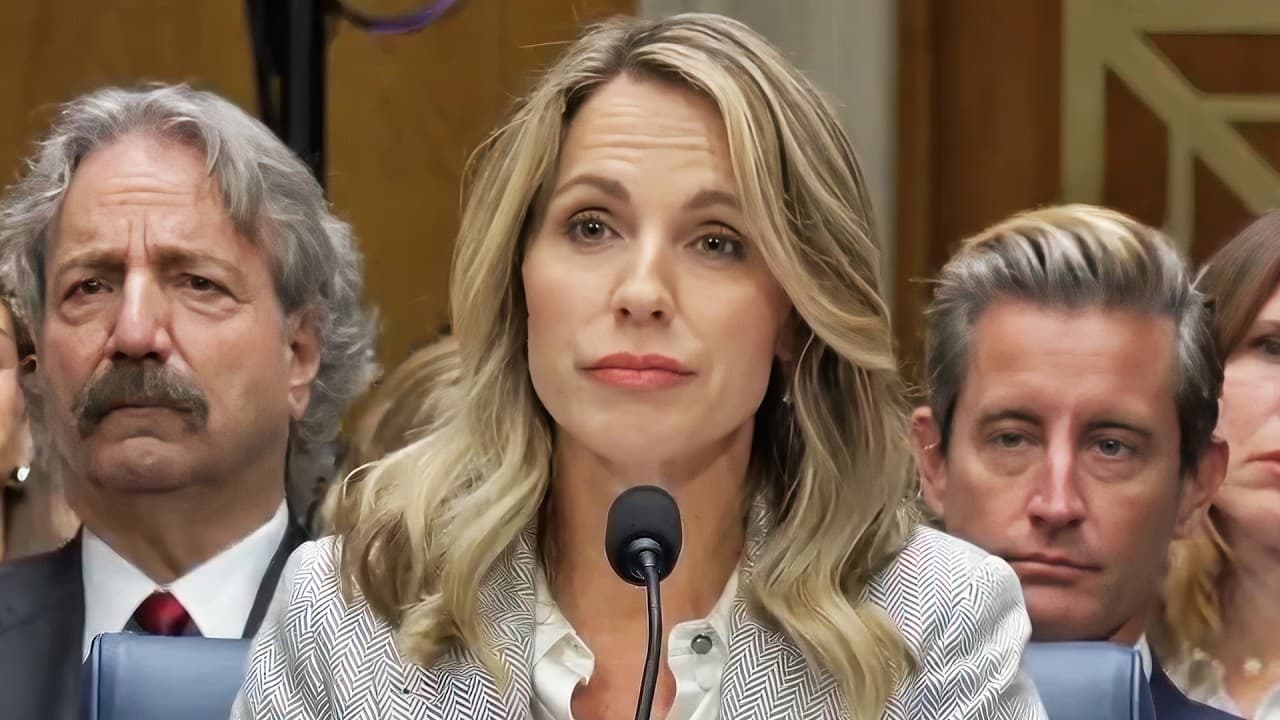
The nominee answered basic vaccine questions with clarity, stating there is no credible evidence that vaccines cause autism and that MMR is our best tool against measles. She avoided overly cautious language, while Cassidy pressed for direct, clear responses and emphasized basing health decisions on science rather than politics. Vaccination at birth was also supported, highlighting universal dosing as a preventive measure.
Transcript
All right. Donald Trump's habit of finding people from watching TV maybe, maybe produced a public health nominee who can at least answer some basic questions directly, but maybe not. I want to run it by you and see what you think. The latest nominee for Donald Trump's surgeon general after his previous nominee crashed and burned is Doctor Nicole Sa... Read More
Key Insights
- Sapphire states there is no credible evidence that vaccines cause autism.
- Cassidy demands direct, non liquid responses rather than wiggle room.
- The MMR vaccine is described as the best tool for combating measles.
- Universal birth dosing is endorsed as a strategy to prevent hepatitis B.
- The hearing emphasizes the need to base health decisions on science, not politics.
- Trump's pattern of nominating TV figures is noted as a point of critique.
- Sapphire is portrayed as relatively clear on vaccines compared to prior nominees.
- The video frames public health communication as essential in nominee evaluations.
Install to Summarize YouTube Videos and Get Transcripts
Explore YouTube Video Summarizer or Get YouTube Transcript Extractor
Questions & Answers
Q: What did Cassidy ask Sapphire about vaccines at the hearing?
Cassidy asked for real, non ambiguous answers without wiggle room and pressed Sapphire to state clearly whether vaccines cause autism. He wanted a physician to provide direct conclusions rather than hedged statements, testing whether her responses could be trusted as evidence based and decisive in public health policy.
Q: How did Sapphire respond to the question about autism and vaccines?
Sapphire stated she has not seen credible evidence that vaccines cause autism and affirmed that the literature does not support a causal link. She emphasized that vaccines save lives, serve as a strong tool in public health, and reiterated that she cannot speak to statements made by the president but can speak to the evidence she has reviewed.
Q: What did Sapphire say about the MMR vaccine during the hearing?
Sapphire said she does not believe childhood vaccines cause autism and that the MMR vaccine is our greatest tool for combating measles. She communicated that vaccines are essential for population herd immunity and for protecting children, aligning with a pro vaccination stance grounded in public health reasoning.
Q: What was highlighted about the nomination process and background?
The discussion pointed out that Sapphire is a Fox News contributor and that Trump has previously nominated other TV figures for the role. The critique centered on the pattern of selecting public TV personalities for government positions, which the speaker viewed as a potential mismatch with the responsibilities of a surgeon general.
Q: How did Sapphire address the issue of communicating about vaccines to the public?
Sapphire indicated the importance of clear communication, suggesting that the public deserves straightforward answers about vaccines. She referenced the need to avoid equivocation and to provide direct statements about what is known, while acknowledging the complexity of scientific literature.
Q: What role did the panelist emphasize about scientific basis in health decisions?
The panelist emphasized that health decisions should be based on science, not political considerations or ideology. By challenging the nominee to rely on evidence, the hearing framed the expectation that a surgeon general should articulate science-based positions clearly and transparently.
Q: What did the discussion say about universal birth dosing for hepatitis B?
The discussion noted Sapphire supported universal birth dosing as a best practice to prevent hepatitis B, indicating a proactive stance on early vaccination. This point was presented as part of a broader commitment to preventative public health measures.
Q: How is the overall tone of Sapphire’s responses described?
The overall tone describes Sapphire as relatively clear and reasonable for a nominee from a TV background, especially on the topic of vaccines. While not perfect or free of caveats, her ability to give direct statements against vaccine skepticism was viewed as a refreshing contrast to prior questionable nominees and as a signal of evidence-based communication.
Summary & Key Takeaways
-
The video examines Nicole Sapphire's Senate confirmation hearing where she addresses vaccine safety and efficacy directly, including the question of autism links to vaccines and the role of MMR. It highlights the tension between political considerations and scientific evidence in public health appointments.
-
The discussion underscores Cassidy's demand for precise, unambiguous answers and Sapphire's attempt to communicate clearly about vaccination benefits and current scientific consensus.
-
The overall takeaway is that straightforward, science-based communication in confirmation hearings can contrast with prior nominee performances and influence perceptions of qualifications for a public health role.
Read in Other Languages (beta)
Share This Summary 📚
Summarize YouTube Videos and Get Video Transcripts with 1-Click
Try YouTube Summary with ChatGPT & Claude or YouTube Transcript Generator
Explore More Summaries from David Pakman Show 📚



Summarize YouTube Videos and Get Video Transcripts with 1-Click
Try YouTube Summary with ChatGPT & Claude or YouTube Transcript Generator