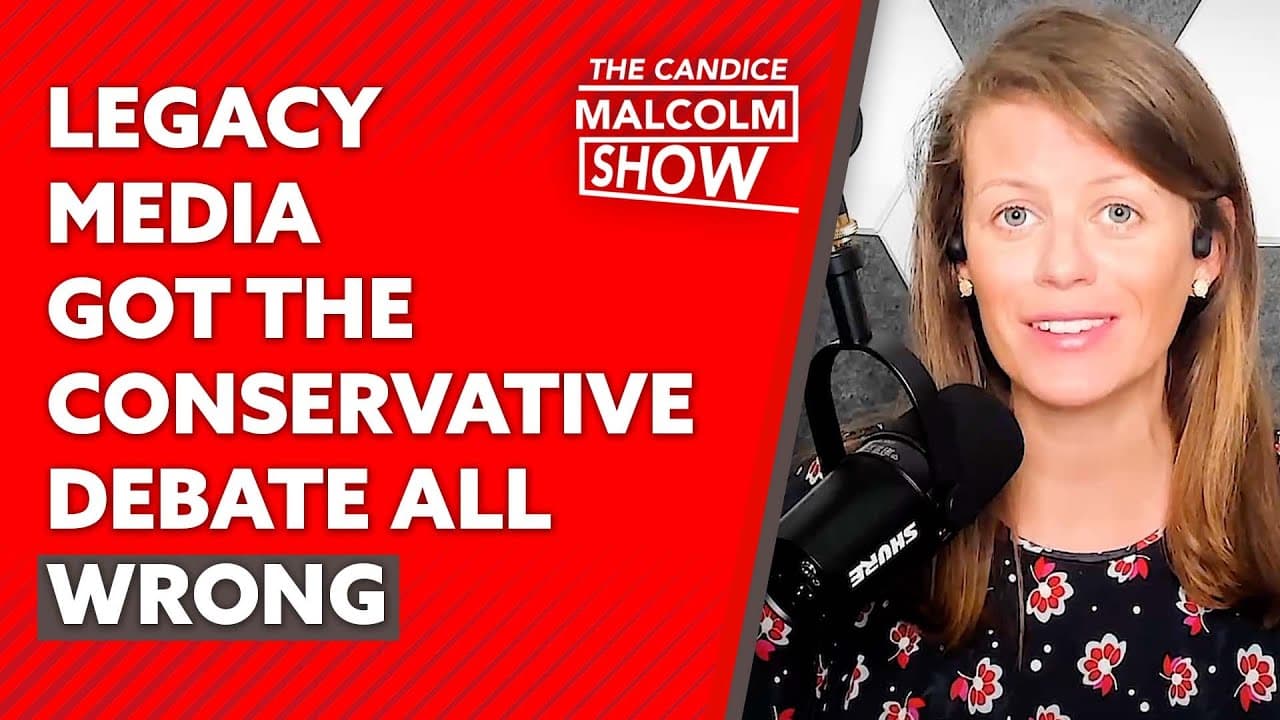
Legacy media got the Conservative debate all wrong
TL;DR
The first conservative debate faced criticism while showcasing candidate contrasts and media bias.
Transcript
the gloves came off at the first conservative debate last thursday the legacy media and the laurentian elites they cried foul and they clutched their pearls i'll give you an inside scoop on what really happened i'm dennis malcolm and this is the catas welcome show hi everyone thank you so much for tuning in to the program and thank you to everyone ... Read More
Key Insights
- 💋 The conservative debate provided a forum for candidates to contrast their views, marking a departure from previous debates that favored consensus.
- 💗 Audience engagement at the debate indicated a growing approval of independent media over mainstream options, particularly among conservative supporters.
- 🛄 Questions posed by moderators aimed to reveal candidates' weaknesses, contributing to a perception of the debate as more engaging than typical political discussions.
- 🔉 The aftermath of the debate was rife with media interpretations that often missed the nuances of the candidates' arguments, reflecting a disconnect between political events and the media narrative.
- 🧘 Candidates shared personal anecdotes and positions that resonated with the audience, demonstrating effective communication skills that might be crucial for future elections.
- 🔉 The controversy surrounding the legacy media's portrayal of the event highlighted an ongoing cultural war between traditional reporting and newcomer media entities.
- 🥳 The diverse backgrounds of attendees and their broad interest in conservative ideas showcased an expanding base for the party beyond typical demographics.
Install to Summarize YouTube Videos and Get Transcripts
Explore YouTube Video Summarizer or Get YouTube Transcript Extractor
Questions & Answers
Q: What were the main goals of the moderators for the debate?
The moderators aimed to create an open flow of ideas among the candidates, ensuring they could debate openly. They wanted to make the event entertaining, avoiding the typical boring format of past debates. Additionally, they intended to highlight the weaknesses of each candidate to test their responses, helping to prepare them for future challenges.
Q: How did attendees react to the conservative debate?
Attendees showed significant enthusiasm, with many expressing support for independent media outlets, particularly True North. The event provided a welcome opportunity for conservative activists to connect, and positive feedback was received regarding the content and energy of the debate. The interactions underscored the growing influence of independent conservative media.
Q: What challenges did candidates face during the debate?
Candidates faced questions targeting their perceived weaknesses, such as views on the trucker convoy and their overall conservative ideologies. Debaters were pushed to articulate their positions clearly, reflecting the challenges of presenting cohesive political platforms amid diverse opinions on contentious issues like public health measures and social policies.
Q: How did the media respond to the debate and its content?
The media reaction was predominantly critical, focusing on the confrontational nature of the debate. Many pundits from traditional media deemed it an "angry" display, contrasting with the moderators' intentions for a lively discussion. Critics accused the candidates of avoiding substantive issues, yet supporters argued that the debate showcased necessary political engagement.
Q: What impact did the debate have on conservative party dynamics?
The debate highlighted divisions within the conservative party, as candidates openly disagreed on key issues. This dynamic allowed for a clearer representation of differing philosophies, which could influence party direction moving forward. Such debates are seen as essential for determining how the party will navigate challenges in the upcoming election cycle.
Q: What was the public sentiment towards the legacy media?
Public sentiment indicated a significant distrust of legacy media organizations like the CBC, with many attendees expressing a preference for independent news sources. Some reported having completely disengaged from traditional outlets due to perceived biases and deficiencies in reporting, showing a shift in how Canadians consume news.
Summary & Key Takeaways
-
The first conservative debate successfully allowed candidates to showcase their views and contrasts, engaging an audience of up to 1,000 people. Moderators aimed for dynamic discussions and honest exchanges.
-
Attendees expressed overwhelming support for independent media, highlighting a shift away from traditional outlets like the CBC, largely due to perceived biases in their reporting.
-
The aftermath involved strong media reactions portraying the debate as confrontational, leading to varied opinions on performances and criticisms of candidates, especially from observers outside the conservative sphere.
Read in Other Languages (beta)
Share This Summary 📚
Summarize YouTube Videos and Get Video Transcripts with 1-Click
Try YouTube Summary with ChatGPT & Claude or YouTube Transcript Generator
Explore More Summaries from True North 📚
Summarize YouTube Videos and Get Video Transcripts with 1-Click
Try YouTube Summary with ChatGPT & Claude or YouTube Transcript Generator