How to Start and Sell AI Digital Products in 2026
TL;DR
To start and sell AI digital products in 2026, choose a specific audience, study what they want, craft the offer before building the product, and use AI to create the product and website. The guide recommends selling a clear outcome rather than deliverables and attracting first customers without spending money on ads. Read on for the staircase framework, audience-selection advice, and offer tests.
Transcript
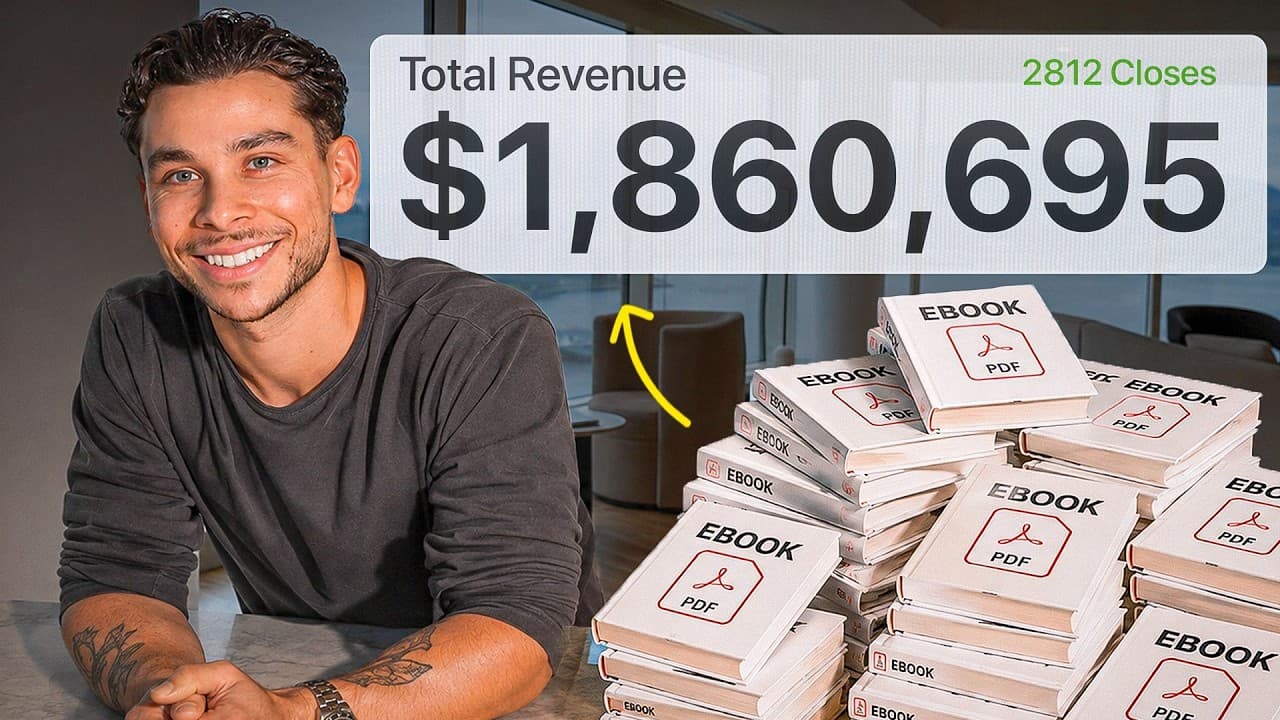
I grew my own digital product business from zero to over 1.8 million per month. And I'm about to show you step by step how to start a digital product business in 2026. Because let me tell you right now, it has never been easier for beginners to start making money online. Once you understand how to use AI the right way, it will literally build you t... Read More
Key Insights
- Starting a digital product business has never been easier with AI tools available.
- The key to success is understanding your audience's specific needs and desires.
- Always create an offer before developing the product to ensure market demand.
- Specificity in targeting an audience leads to better sales outcomes.
- Craft offers that sell outcomes rather than just features or deliverables.
- Use AI tools like Base 44 to efficiently build and manage digital products.
- Pricing should be clear and reflect the value, starting between $30-$100.
- Focus on organic, targeted content marketing over paid ads to reach customers.
Install to Summarize YouTube Videos and Get Transcripts
Explore YouTube Video Summarizer or Get YouTube Transcript Extractor
Questions & Answers
Q: How do you start a digital product business in 2026?
First, choose a specific group of people and study their current situation, desired outcome, previous failures, and underlying beliefs. Create an offer for what they already want before using AI to build the product and website, then pursue your first customers without spending money on ads.
Q: Why should the offer come before the digital product?
Building the offer first helps you identify what a specific group desperately wants before investing time in production. The speaker contrasts this with spending 3 months building a course or app and only afterward discovering that nobody wants it.
Q: How specific should a digital product audience be?
The audience should be narrow enough that the product feels designed for its exact situation, but not so narrow that only about nine people qualify. The transcript contrasts the broad category “young people” with the more useful niche of 18- to 24-year-old men who go to the gym and want their first muscle-up.
Q: What should you research about your target audience?
Study what an ordinary Tuesday looks like for them, the dream they rarely admit, what they have tried and failed at, and what they believe may be wrong with them. The speaker says that describing their life better than they can builds trust.
Q: What makes a digital product feel worth buying?
The product should lead customers where they want to go, feel safe and achievable for them, and appear faster than alternative paths. The guide compares this journey to building a staircase from a customer’s current situation to a dream situation.
Q: Should a digital product offer emphasize outcomes or deliverables?
It should sell the outcome rather than a list of deliverables. For example, the transcript contrasts “eight coaching sessions and a workbook” with the outcome-focused promise of breaking free from heartbreak and becoming “the one who got away.”
Q: What is the split-second test for a digital product offer?
A dream customer should immediately understand what problem the offer solves, who it serves, and why it differs from alternatives. The guide advises using clear, plain language at about a fifth-grade level because customers may not give a confusing offer a second read.
Q: How can AI help build and sell a digital product?
The speaker says AI can build the product and website and assist with selling it. The broader blueprint covers choosing an audience, creating an offer people want, producing the product with AI, and finding first customers without spending money on ads.
Summary & Key Takeaways
-
The video explains how to build and sell AI digital products by first understanding the audience's specific needs and crafting an offer that sells the desired outcome. It emphasizes using AI tools to streamline product creation and leveraging organic content marketing to reach the right customers. The approach focuses on specificity, clarity, and value in offers.
-
Success in selling digital products hinges on creating offers that resonate with a specific audience. The video advises against broad targeting, suggesting instead a focus on niche markets to ensure the product meets a real demand. AI tools are highlighted as essential for efficiently building and managing digital products, reducing time and cost barriers.
-
The speaker outlines a process for launching a digital product business in 2026, emphasizing the importance of understanding the audience, creating clear and compelling offers, and utilizing AI to build and market products. The strategy includes pricing products to reflect value and using organic content to attract and convert customers without spending on ads.
Read in Other Languages (beta)
Share This Summary 📚
Summarize YouTube Videos and Get Video Transcripts with 1-Click
Try YouTube Summary with ChatGPT & Claude or YouTube Transcript Generator
Explore More Summaries from Nathan Nazareth 📚





Summarize YouTube Videos and Get Video Transcripts with 1-Click
Try YouTube Summary with ChatGPT & Claude or YouTube Transcript Generator