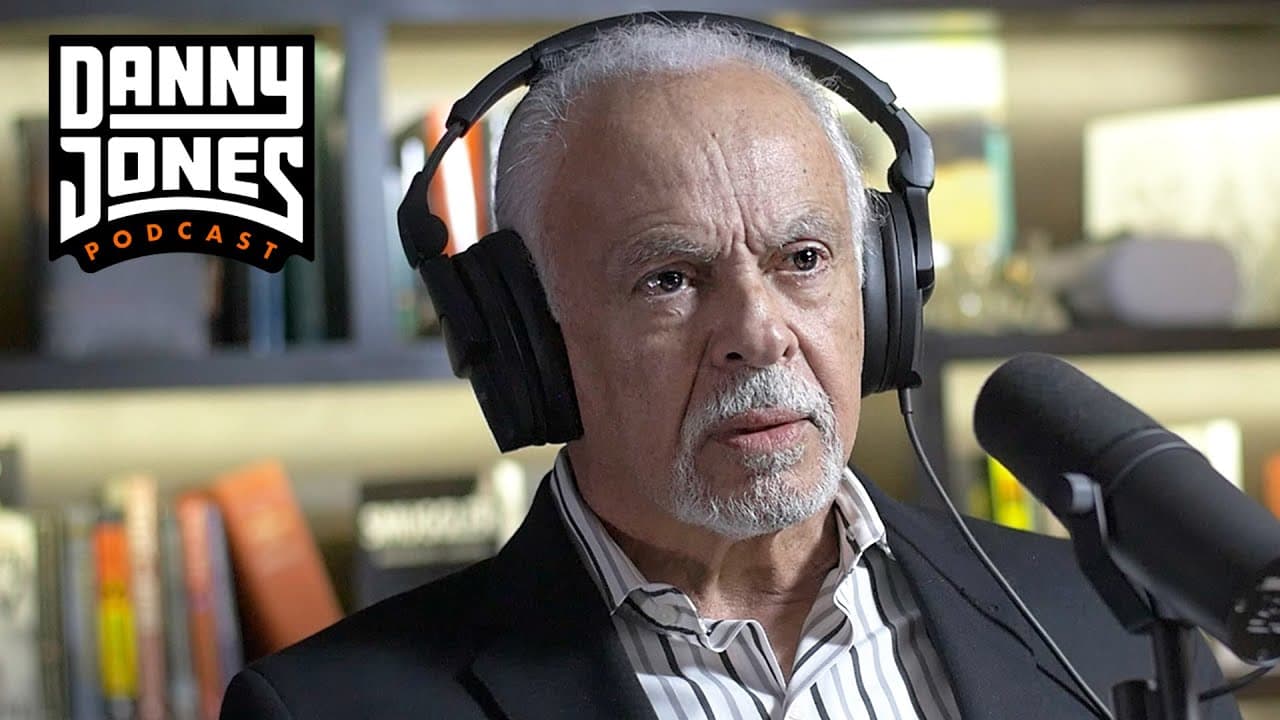
Why Is CIA Operative Ric Prado Concerned About America?
TL;DR
Ric Prado, a former CIA operative, expresses deep concern about America's future due to rising leftist trends and the potential for authoritarianism. He emphasizes the risks posed by political polarization and the need for vigilance in protecting freedoms, drawing parallels to his experiences in Cuba under Communism. Prado advocates for understanding the historical context of these issues to inform better decision-making for national security.
Transcript
foreign your book is fascinating Black Ops and uh as well as Annie Jacobson's book where she mentions you surprise kill vanish where she talks about some of the Wilder aspects of the CIA I think it's called rendition teams where they have to go in and kidnap people or basically do kind of like the dirty work that's correct the the Hands-On work uh ... Read More
Key Insights
- 📔 The book delves into the formative experiences of a CIA operative, emphasizing how personal history can shape a career in intelligence.
- 💦 The complex nature of intelligence work often involves navigating bureaucratic challenges while responding to urgent national security threats.
- 🏛️ Recruitment for intelligence involves identifying individuals with aligned interests, emphasizing the importance of building trust and credibility.
- 🌐 The narrative highlights the moral notions tied to global politics, illustrating the contrast between American ideals and opposing ideologies.
- 👪 Through personal stories, the author emphasizes the sacrifices made by intelligence operatives and their families in pursuit of security and freedom.
- 🌍 The evolving landscape of terrorism necessitates an agile response from intelligence agencies, showcasing the need for collaboration with international partners.
- 💁 Historical context is critical; understanding past mistakes can inform better intelligence practices and decision-making in the present.
Install to Summarize YouTube Videos and Get Transcripts
Explore YouTube Video Summarizer or Get YouTube Transcript Extractor
Questions & Answers
Q: What motivated you to write your book, and what message do you hope to convey?
My motivation stemmed from a desire to clarify misconceptions about the CIA and its operatives. People often associate intelligence work with Hollywood portrayals, but the reality is much different. I aimed to shed light on the human side of our work, the sacrifices made by operatives, and the importance of understanding the complexities of global security issues.
Q: How did your early experiences in Cuba shape your later career in the CIA?
Growing up in Cuba during a tumultuous period taught me about the harsh realities of political oppression and the value of freedom. These experiences fueled my desire to serve in a role that would allow me to contribute to global security and protect democratic ideals, which is why I joined the military and later the CIA.
Q: What was it like working on the ground with the contras in Central America?
Working with the contras was a unique experience. I trained and lived among them, understanding their motivations, which were rooted in personal loss and the fight against oppression. It was incredibly impactful to see ordinary people take up arms for their freedom, and it made my work all the more meaningful.
Q: How do you view the evolution of the CIA's role in combating terrorism post-9/11?
Post-9/11, the CIA had to adapt quickly to an evolving landscape of threats. The agency shifted its focus to a more aggressive strategy aimed at dismantling terrorist networks and preventing attacks. This included rich collaboration with international partners to gather intelligence and disrupt operations.
Q: What do you think is the most significant challenge facing intelligence agencies today?
The most significant challenge is the complexity of modern threats. Intelligence agencies must navigate a landscape marked by rapidly changing technologies, disinformation campaigns, and hybrid warfare tactics. Staying ahead requires not just resources but also innovative strategies and effective communication among allies.
Q: You talked about recruitment. How does the CIA identify potential agents?
The CIA identifies potential agents through thorough assessments of individuals' backgrounds, motivations, and potential vulnerabilities. The goal is to recruit those whose interests align with American values and objectives, ensuring mutual benefit in partnership.
Q: In your view, what is the biggest misconception about the CIA?
A predominant misconception is that the CIA operates solely as a shadowy figure engaged in illegal actions. In reality, it's a disciplined organization that adheres to law and policy. The agency's work is often boring, requiring meticulous planning and analytics rather than glitz and glamor.
Summary & Key Takeaways
-
The narrative follows a former CIA operative's journey from his upbringing in Cuba to a senior position in the agency, highlighting significant experiences during his career.
-
Ultimately, he reflects on the challenges faced by intelligence agencies, emphasizing the need for collaboration and effective operations to combat terrorism and maintain global stability.
-
His accounts of clandestine operations, recruitment strategies, and encounters with terrorists provide a fascinating insight into the often unseen world of intelligence.
Read in Other Languages (beta)
Share This Summary 📚
Summarize YouTube Videos and Get Video Transcripts with 1-Click
Try YouTube Summary with ChatGPT & Claude or YouTube Transcript Generator
Explore More Summaries from Danny Jones Podcast 📚

Summarize YouTube Videos and Get Video Transcripts with 1-Click
Try YouTube Summary with ChatGPT & Claude or YouTube Transcript Generator