How to De-escalate Any Situation
TL;DR
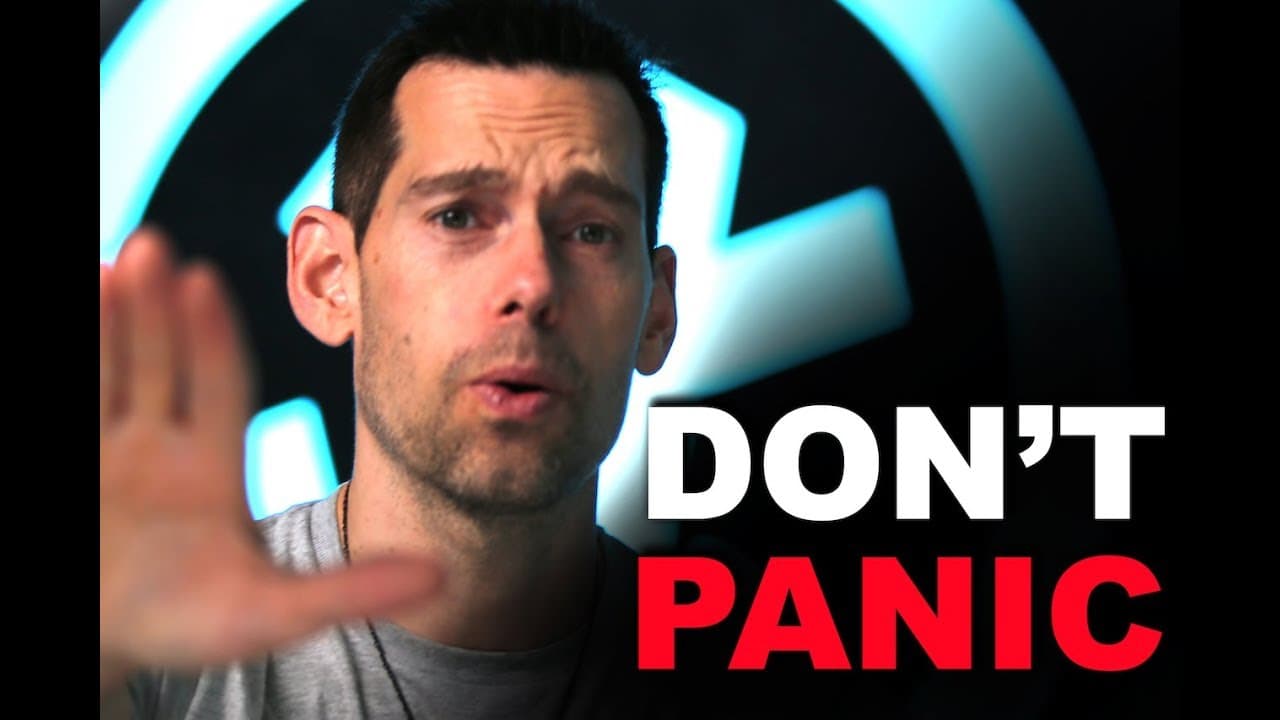
To de-escalate any situation, Tom Bilyeu recommends working backward from your goal, refusing to match the other person’s intensity, and calming your body with diaphragm breathing. He says even a single deep breath, combined with relaxing the shoulders and face, can reduce his emotional response. Read on for specific ways to release tension, avoid spiteful reactions, and respond in line with your goals.
Transcript
welcome to another rousing edition of the AMA I am your host Tom bill you and I'm gonna be answering all of your long-held questions hopefully some secret desires as well pouring in we take your questions alive so don't hesitate drop them in all right we've got one that we're gonna start with and that is from Anessa grev silva yeah all right this o... Read More
Key Insights
- 👋 Focusing on maintaining good relationships and not escalating conflicts can help in diffusing tense situations.
- 😀 Teaching children resilience through facing certain types of suffering can toughen them up and help them develop healthy mindsets for success.
- 🙃 Practicing self-awareness and diaphragm breathing can help in de-escalating emotions and managing stress.
- 💀 Utilizing anger and negative emotions in acute moments can increase motivation to endure pain and overcome challenges.
- 🤑 Rewiring one's brain's response to fear and anxiety involves replacing negative thoughts with positive ones and obsessing over positive outcomes.
- 🥡 Taking responsibility, empathy, and finding common ground can help in handling difficult relationships professionally.
Install to Summarize YouTube Videos and Get Transcripts
Explore YouTube Video Summarizer or Get YouTube Transcript Extractor
Questions & Answers
Q: How do you de-escalate yourself when you feel attacked?
Start by identifying your goal, such as maintaining a good relationship or presenting yourself professionally. Do not take the bait or match the other person’s intensity; instead, use diaphragm breathing and consciously release physical tension.
Q: What is the first step in de-escalating a tense situation?
Tom Bilyeu begins by working backward from the goal he wants to achieve. That goal guides him away from an emotional counterattack and toward a response that supports the relationship or professional outcome he wants.
Q: Why should you avoid matching someone else’s aggression?
Escalating simply because the other person is escalating usually does not move you toward your goal. Tom says people who refuse to take the bait tend to come across best in almost any situation.
Q: How does diaphragm breathing help with de-escalation?
Being attacked can produce shallow breathing, a racing heart, and a fight-or-flight response. Tom uses diaphragm breathing to calm that physical reaction and says he can feel himself relax after a single breath.
Q: How do you perform the diaphragm breath Tom Bilyeu describes?
Imagine pushing your stomach outward so the breath travels low into the diaphragm. Tom tends to breathe in through his nose and out through his mouth, then consciously releases the tension.
Q: What physical tension should you release during a conflict?
Tom recommends relaxing the shoulders and face while breathing through the diaphragm. He considers using the body to release tension one of the most potent ways to move out of an escalated emotional state.
Q: Does releasing an emotion mean burying it?
Tom distinguishes releasing an emotion from burying it. He imagines pushing the emotion down while breathing, but describes the process as letting the emotional and physical tension go rather than suppressing it.
Q: How can your sense of identity prevent a spiteful response?
Tom identifies as someone who does what moves him toward his goals rather than someone who responds emotionally to every attack. Combining that identity with deliberate physical relaxation helps him avoid escalating and choose a more useful response.
Summary & Key Takeaways
-
When faced with attacks or conflicts, Tom advises not to take the bait and escalate the situation, instead focusing on maintaining good relationships and presenting oneself professionally. By practicing diaphragm breathing and releasing tension in the body, one can achieve emotional de-escalation.
-
Tom emphasizes the importance of striking a balance in raising children with privilege and instilling motivation, by allowing them to face certain types of suffering that can toughen them up while shielding them from harmful bullying situations.
-
Tom's meta-belief is that one can accomplish anything without limitations, but it is an empowering lie. The key is to use this belief to move towards one's goals, while acknowledging that setbacks and failures are part of the process.
-
Building self-awareness is important for personal growth. Tom suggests identifying and understanding one's emotions and their causes. Practicing self-awareness involves noticing and acknowledging emotions, assessing their triggers, and deciding how to respond to them.
-
To increase motivation and overcome low moods, Tom advises visualizing and obsessing over the positive outcomes of a task. He suggests using the emotions of anger, hate, or other negative feelings in acute moments to endure pain and drive oneself to success.
-
Tom recommends a cycle of accepting anxiety as a physiological response, practicing diaphragm breathing, identifying automatic negative thoughts, and replacing them with positive thoughts. By focusing on what can go right and separating the message from the messenger, one can rewire their brain's response to fear and anxiety.
Read in Other Languages (beta)
Share This Summary 📚
Summarize YouTube Videos and Get Video Transcripts with 1-Click
Try YouTube Summary with ChatGPT & Claude or YouTube Transcript Generator
Explore More Summaries from Tom Bilyeu AMA: Ask Me Anything 📚




Summarize YouTube Videos and Get Video Transcripts with 1-Click
Try YouTube Summary with ChatGPT & Claude or YouTube Transcript Generator