How to Take Control of Your Life and Emotions
TL;DR
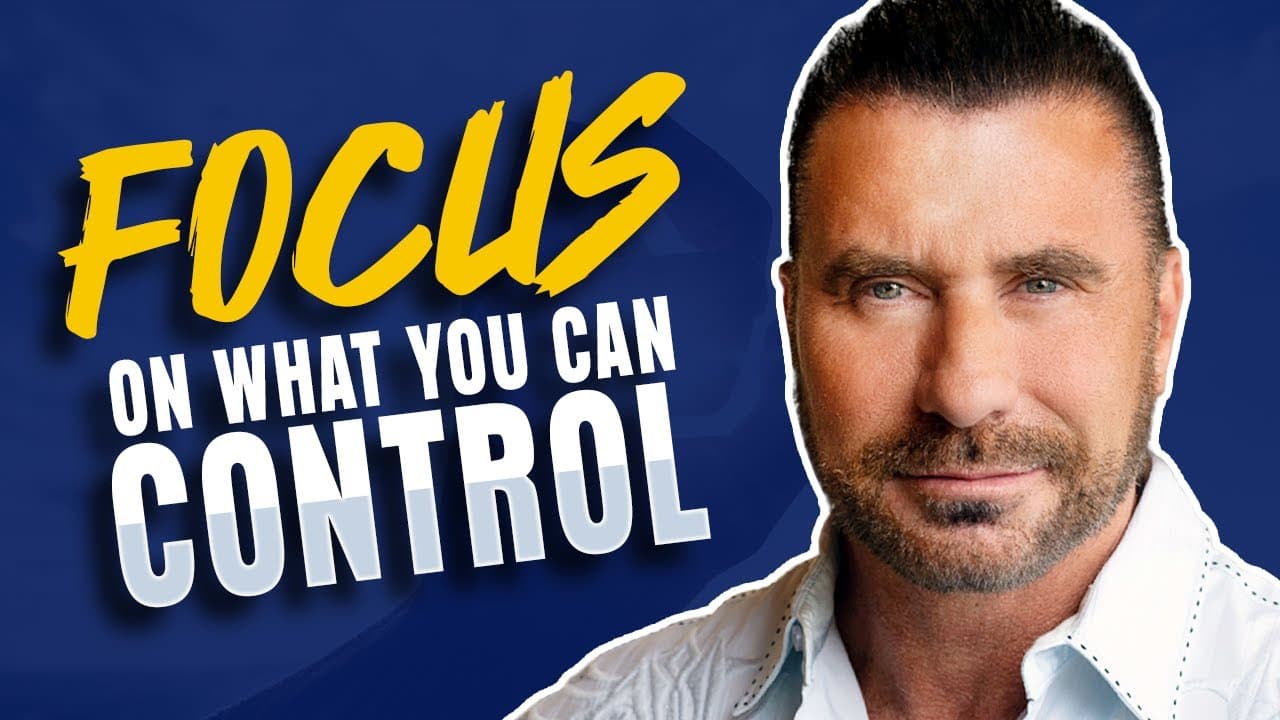
To take control of your life, identify what influences your actions, such as fear, old stories, or others' opinions. Building self-confidence and understanding your emotional state are crucial; keep promises to yourself to foster trust and improve your emotional management. Recognizing these driving forces allows you to reclaim control and create a new narrative for your life.
Transcript
so hey guys listen we're all trying to get more productive and the question is how do you find a way to get an edge i'm a big believer that if you're getting mentoring or you're in an environment that causes growth a growth-based environment that you're much more likely to grow and you're going to grow faster and that's why I love Growth Day growth... Read More
Key Insights
- The Boston cab ride serves as a metaphor for losing control in life, highlighting the importance of identifying who or what is driving your actions.
- Fear, emotions, and other people's opinions are often hidden drivers of behavior, leading to a lack of control over one's life.
- Building self-confidence involves keeping promises to yourself, which creates a reputation of trust and reliability within.
- Tony Robbins emphasizes managing your emotional state and creating a compelling future to overcome fear and uncertainty.
- Flawed beliefs, such as equating self-worth with possessions or accomplishments, can undermine self-esteem and hinder personal growth.
- The internal 'thermostat' metaphor illustrates how personal standards dictate life outcomes; raising these standards is crucial for improvement.
- Associations, immersion in new experiences, and short-term focused efforts can help reset beliefs and foster a new identity.
- Writing a new story for your life, where you are in control, is essential to overcoming past narratives and achieving personal breakthroughs.
Install to Summarize YouTube Videos and Get Transcripts
Explore YouTube Video Summarizer or Get YouTube Transcript Extractor
Questions & Answers
Q: What is the significance of the Boston cab ride story?
The Boston cab ride story serves as a powerful metaphor for how people often lose control of their lives. It illustrates the feeling of being at the mercy of external factors, much like being a passenger in a speeding cab. The story encourages listeners to identify who or what is truly driving their actions, emotions, and life outcomes, prompting them to reclaim control.
Q: How does Tony Robbins suggest overcoming fear and uncertainty?
Tony Robbins suggests overcoming fear and uncertainty by managing one's emotional state and creating a compelling future. He emphasizes the importance of physical state changes, such as exercise, to alter one's emotional state. Additionally, Robbins highlights the need to focus on what you can control internally, rather than external circumstances, to build resilience and courage.
Q: What role do flawed beliefs play in personal development?
Flawed beliefs, such as equating self-worth with possessions, accomplishments, or others' opinions, can severely undermine self-esteem and hinder personal development. These beliefs create a false narrative that limits potential and fosters self-doubt. Identifying and challenging these beliefs is crucial for building a healthy self-image and achieving personal growth.
Q: What is the 'internal thermostat' metaphor?
The 'internal thermostat' metaphor refers to the internal standards and beliefs that set the 'temperature' for the conditions of one's life. Just as a thermostat regulates room temperature, personal standards regulate life outcomes. Raising these internal standards is essential for improving various life aspects, including faith, business, and relationships.
Q: How can one build self-confidence according to Ed Mylett?
Ed Mylett suggests building self-confidence by keeping promises to oneself, which creates a reputation of trust and reliability. This involves setting small, achievable goals and acknowledging when they are met, thereby creating momentum. By consistently fulfilling commitments to oneself, individuals can develop an unshakable sense of self-confidence.
Q: What strategies are recommended for resetting beliefs?
Strategies for resetting beliefs include associating with people who have higher standards, immersing oneself in new experiences, and engaging in 30-day focused efforts to challenge and change existing beliefs. These approaches help create a new identity and foster personal growth by breaking free from limiting narratives.
Q: Why is writing a new story for your life important?
Writing a new story for your life is important because it allows you to break free from past narratives that may have limited your potential. By consciously deciding who you want to be and what you want to achieve, you take control of your life's direction. This proactive approach empowers you to create a future aligned with your true desires and values.
Q: What is the impact of external opinions on self-worth?
External opinions can significantly impact self-worth if individuals allow them to define their identity. Relying on others' perceptions can lead to a fragile self-image and constant need for validation. Recognizing that self-worth is independent of external opinions is crucial for developing a stable and authentic sense of self.
Summary & Key Takeaways
-
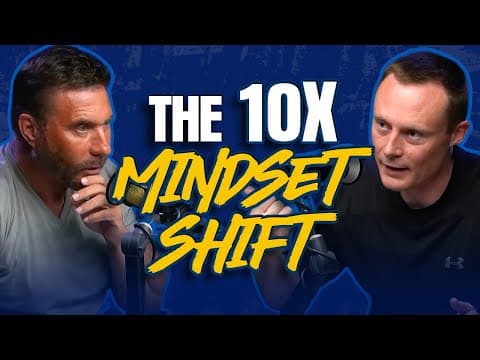
In a gripping narrative, Ed Mylett shares a terrifying cab ride experience that serves as a metaphor for losing control of life. The story underscores the importance of identifying what's driving your actions and emotions.
-
The conversation with Tony Robbins delves into managing emotional states, creating a compelling future, and using physical state changes to combat fear. Building self-confidence by keeping promises to oneself is emphasized.
-
The episode challenges flawed beliefs about self-worth and discusses the internal 'thermostat' metaphor. Strategies for raising life standards and rewriting personal narratives are provided, encouraging listeners to take control of their lives.
Read in Other Languages (beta)
Share This Summary 📚
Summarize YouTube Videos and Get Video Transcripts with 1-Click
Try YouTube Summary with ChatGPT & Claude or YouTube Transcript Generator
Explore More Summaries from Ed Mylett 📚


Summarize YouTube Videos and Get Video Transcripts with 1-Click
Try YouTube Summary with ChatGPT & Claude or YouTube Transcript Generator