How to Succeed in Affiliate Marketing and Choose the Right Niche?
TL;DR
To succeed in affiliate marketing, focus on niches you are passionate about and ensure they have high ticket value and are not seasonal. Treat affiliate marketing like an investment, aiming for a strong return on your efforts. Building a solid foundation with citations and press releases enhances local SEO, while using tools like SEMrush can provide competitive insights.
Transcript
hello everyone and welcome back to our weekly q a session with mr chris palmer seo and me we're going to be talking about whatever you guys want to talk about um so do put your questions in the live chat as always um but we are of the channel is sponsored by odys who give you premium age demeans and they also do done for you affiliate websites if t... Read More
Key Insights
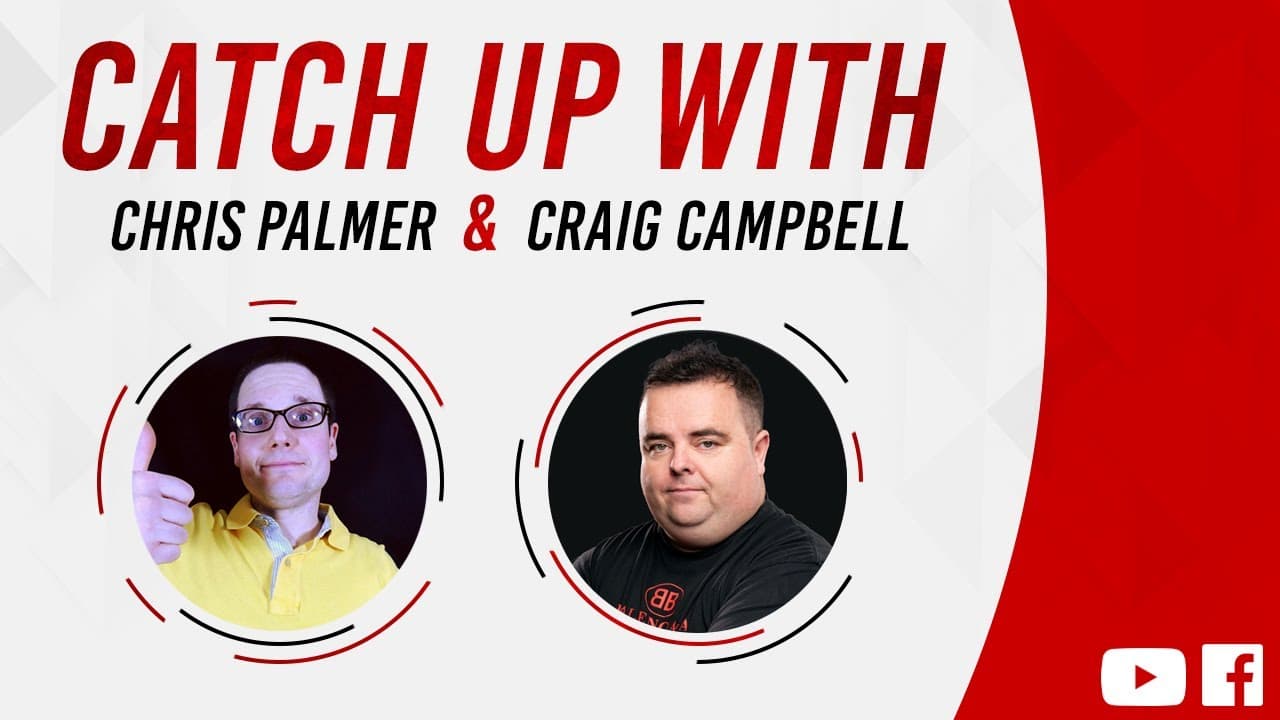
- The video is a Q&A session with Chris Palmer and Craig Campbell, focusing on affiliate marketing and SEO strategies.
- ODYS Global is mentioned as a sponsor, offering aged domains and done-for-you affiliate websites.
- Craig Campbell celebrates reaching 70,000 subscribers, highlighting the challenges of growing a YouTube channel.
- The discussion touches on the difficulty of creating and verifying Google My Business listings in bulk.
- Choosing a niche for affiliate marketing should consider personal interest, non-seasonality, and high ticket value.
- A successful affiliate strategy involves treating it as an investment, with a focus on return on investment.
- Chris Palmer emphasizes the importance of foundational SEO elements like citations and press releases for local SEO.
- The conversation includes advice on using tools like SEMrush and Cognitive SEO for competitive analysis.
- More videos with Chris Palmer:
Install to Summarize YouTube Videos and Get Transcripts
Explore YouTube Video Summarizer or Get YouTube Transcript Extractor
Questions & Answers
Q: How do you choose a niche for an affiliate website?
Choosing a niche should consider personal interest, non-seasonality, and high ticket value. It's crucial to have a good understanding of the niche to create relevant content and avoid legal issues. Craig Campbell advises against blindly choosing a niche based on keyword volume alone.
Q: What is the process for creating and verifying Google My Business listings in bulk?
Creating and verifying GMBs in bulk is challenging due to frequent changes in Google's methods. Chris Palmer suggests that successful methods are often not shared publicly to prevent them from being patched by Google. It's generally advised to stay updated with the latest techniques through industry experts.
Q: What are the key factors for local SEO ranking?
Key factors for local SEO ranking include age and authority of the business, proper citation building, and having a verified and optimized Google My Business listing. Building geo-relevant content and ensuring the website is seen as a real business are also crucial.
Q: How does one decide on a niche for an affiliate website?
When deciding on a niche, it's important to consider personal interest, non-seasonality, and high ticket value. Craig Campbell advises against choosing a niche solely based on keyword volume, as understanding the niche is crucial for creating effective content and avoiding potential legal issues.
Q: What are the challenges of growing a YouTube channel?
Growing a YouTube channel involves overcoming challenges such as viewer engagement and subscription rates. Craig Campbell shares that many viewers watch content without subscribing or interacting, which can make growth a slow process despite having a large number of viewers.
Q: What tools are recommended for competitive SEO analysis?
SEMrush and Cognitive SEO are recommended tools for competitive SEO analysis. While SEMrush offers a comprehensive suite of features, Cognitive SEO is favored by some for specific functionalities. It's important to choose a tool that fits the specific needs of the SEO strategy.
Q: What is the importance of foundational SEO elements for local businesses?
Foundational SEO elements such as citations, press releases, and a well-optimized Google My Business listing are crucial for local businesses. These elements establish trust and authority, helping businesses rank better in local searches and attract more customers.
Q: How does one treat affiliate marketing as an investment?
Treating affiliate marketing as an investment involves focusing on return on investment. This means investing a certain amount and aiming to scale up and flip the website for profit within a specific timeframe. It's important to consider the potential for growth and the ease of selling the website.
Summary & Key Takeaways
-
Chris Palmer and Craig Campbell discuss affiliate marketing and SEO strategies, offering insights into niche selection and the challenges of growing a YouTube channel. They emphasize the importance of treating affiliate marketing as an investment, focusing on return on investment.
-
The session highlights the difficulty of creating and verifying Google My Business listings in bulk, with Chris Palmer providing insights into foundational SEO elements like citations and press releases for local SEO success.
-
The discussion includes advice on using SEO tools like SEMrush and Cognitive SEO for competitive analysis, and the importance of choosing a niche based on personal interest, non-seasonality, and high ticket value.
Read in Other Languages (beta)
Share This Summary 📚
Summarize YouTube Videos and Get Video Transcripts with 1-Click
Try YouTube Summary with ChatGPT & Claude or YouTube Transcript Generator