"An Entirely New Form of Christian Slavery" - Professor Alec Ryrie
TL;DR
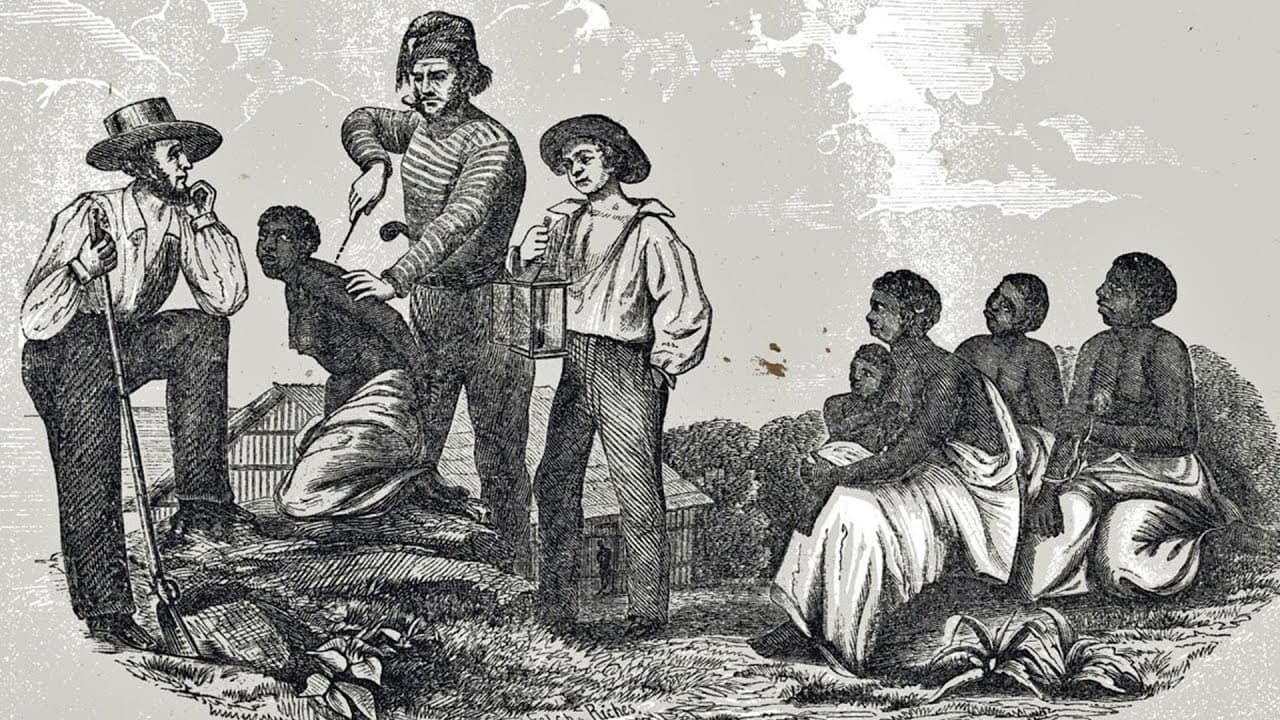
The early Christians had a spiritualizing approach to slavery, but in the 15th century, Christian slavery took a new form with the Portuguese and Spanish Empires establishing slave economies in the Americas.
Transcript
Christians are of course as deeply implicated in this as anyone the Hebrew scriptures are full of matter of fact references to enslavement to regulations governing both slaves and their masters and Christianity was formed in the Roman Empire one of the most slave-based societies ever seen the early Christians responded to that context with a typica... Read More
Key Insights
- 🥡 The early Christians took a spiritual approach to slavery, emphasizing spiritual equality rather than physical liberation.
- 😄 Medieval Europe saw the transformation of Christian slaveholding into serfdom, which eventually eased or disappeared after the 14th-century plagues.
- 👶 Portuguese and Spanish exploration in the 15th century introduced a new form of Christian slavery in the Americas, utilizing African slave labor.
- 🇳🇨 Protestants had moral qualms about slavery, but the economic realities of the New World made it difficult to defy the slave economy.
- 🥹 Protestant-held Caribbean islands quickly adopted and embraced slavery due to the availability of African slaves and the economic benefits they offered.
- 🥶 The North American colony of Georgia, initially intended to be slavery-free, succumbed to the economic pressures and adopted slavery.
- 🏤 Early Protestant Imperial projects aimed to utilize freely employed indigenous laborers or European immigrants instead of slaves.
Install to Summarize YouTube Videos and Get Transcripts
Explore YouTube Video Summarizer or Get YouTube Transcript Extractor
Questions & Answers
Q: How did early Christians view slavery?
Early Christians believed in spiritual equality and taught that the distinction between slaves and free individuals vanishes in Christ. They emphasized obedience and submission to masters.
Q: How did Christian involvement in slavery change in the 15th century?
Portuguese and Spanish exploration and colonization led to the establishment of slave economies in the Americas, with African slaves being imported to replace the decimated indigenous population.
Q: Did Protestants have moral qualms about slavery?
Protestants had moral concerns about slavery from the beginning, with some early rejections of the practice. However, economic realities and the reliance on slave labor in the New World made it difficult to defy the slave economy.
Q: How did slavery become dominant on Protestant-held Caribbean islands?
Slavery initially began as a marginal practice but quickly became dominant on Protestant-held Caribbean islands due to the availability of African slaves and the economic benefits they provided.
Summary & Key Takeaways
-
Christianity originated in a slave-based Roman Empire, leading early Christians to emphasize spiritual equality and downplay the importance of physical slavery.
-
In medieval Europe, Christian slaveholding transformed into serfdom but eventually eased or disappeared after the plagues of the 14th century.
-
Portuguese and Spanish explorers in the 15th century started enslaving Africans, and the Catholic empires in the Americas relied heavily on African slave labor.
Read in Other Languages (beta)
Share This Summary 📚
Summarize YouTube Videos and Get Video Transcripts with 1-Click
Try YouTube Summary with ChatGPT & Claude or YouTube Transcript Generator
Explore More Summaries from Gresham College 📚


Summarize YouTube Videos and Get Video Transcripts with 1-Click
Try YouTube Summary with ChatGPT & Claude or YouTube Transcript Generator