Why Old School Gardening May Hold the Key to Our Future Survival
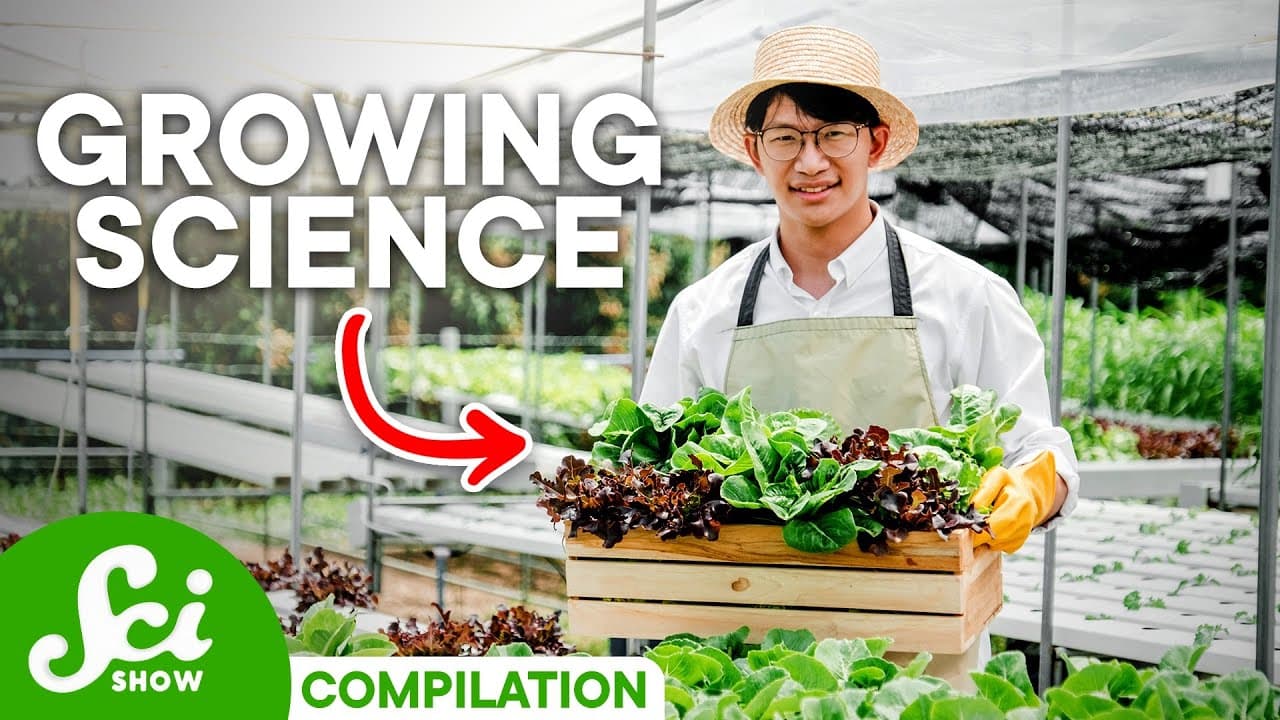
TL;DR
Scientists are developing innovative technologies such as mycoprotein, aquaponics, and vertical farming to address the challenges of sustainable food production in the face of increasing demand.
Transcript
spring is in the air in the northern hemisphere which means our world is about to become a whole lot greener if you're a gardener it's time to break out that trowel and hundreds of millions of farmers are gearing up to cultivate this year's harvest so we thought it was a good time to talk about the science of growing things from the tomatoes in you... Read More
Key Insights
- 🍖 Mycoprotein offers a sustainable alternative to traditional meat production, addressing challenges such as land and energy consumption.
- 👾 Aquaponics combines fish farming and hydroponics, providing a solution for limited space cultivation with minimal environmental impact.
- 😒 Vertical farming maximizes land use efficiency and allows for urban agriculture, although energy consumption remains a challenge.
Install to Summarize YouTube Videos and Get Transcripts
Explore YouTube Video Summarizer or Get YouTube Transcript Extractor
Questions & Answers
Q: What is mycoprotein, and how does it address the challenges of meat production?
Mycoprotein is a meat substitute made from fungi. It offers a sustainable alternative to traditional meat production as it requires less land, energy, and water while providing a good source of protein.
Q: How does aquaponics work, and what are its benefits?
Aquaponics combines fish farming and hydroponics. Fish waste provides nutrients for plant growth, and the plants filter and purify the water for the fish. This method allows for sustainable cultivation in limited spaces and reduces the need for synthetic fertilizers.
Q: What is vertical farming, and how can it contribute to sustainable agriculture?
Vertical farming involves growing plants in stacked containers, maximizing the use of vertical space. It can be done indoors and in urban areas, reducing the need for traditional farmland. Although it presents challenges such as energy consumption, it offers a solution for sustainable agriculture in densely populated areas.
Q: What are the potential benefits of these innovative technologies for the future?
These technologies have the potential to address the challenges of sustainable food production, including limited land availability and environmental impact. They can provide alternative sources of protein, allow cultivation in urban areas, and reduce the reliance on synthetic inputs.
Summary & Key Takeaways
-
Mycoprotein, a meat substitute made from fungi, offers a sustainable alternative to traditional meat production, requiring less land and energy while producing more protein.
-
Aquaponics combines fish farming and hydroponics, using fish waste to provide nutrients for plant growth. This method allows for the cultivation of crops in limited spaces with minimal environmental impact.
-
Vertical farming involves growing plants in stacked containers, maximizing land use efficiency. Although it presents challenges such as energy consumption, it can provide a solution for urban agriculture and reduce the demand for traditional farmland.
Read in Other Languages (beta)
Share This Summary 📚
Summarize YouTube Videos and Get Video Transcripts with 1-Click
Try YouTube Summary with ChatGPT & Claude or YouTube Transcript Generator
Explore More Summaries from SciShow 📚


Summarize YouTube Videos and Get Video Transcripts with 1-Click
Try YouTube Summary with ChatGPT & Claude or YouTube Transcript Generator