How Does a Cygnus Cargo Ship Leave the ISS?
TL;DR
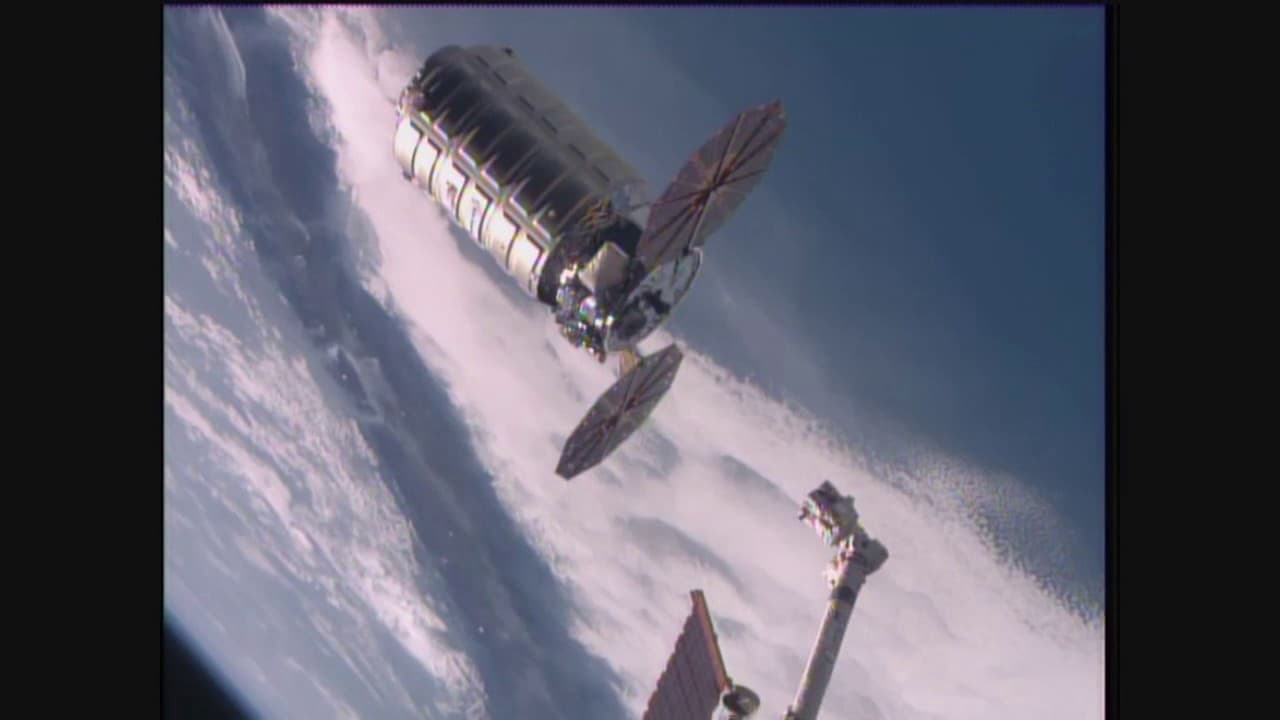
Cygnus safely departed the International Space Station after delivering about three tons of supplies and scientific experiments. Released from the station’s robotic arm, the trash-filled spacecraft began a roughly three-minute departure burn to exit the 200-meter keep-out sphere before later engine firings would direct it toward a destructive reentry over the Pacific Ocean.
Transcript
Station, the release has been, uh, commanded. Copy that. We're following along. The command has been given for release. Standing by. And that is a confirmed release of the Cygnus cargo vehicle on Orbital ATK's OA-5 mission, uh, seven twenty-two AM Central time, uh, over the Pacific Ocean, just west off the coast of Colombia, two hundred and fifty-o... Read More
Key Insights
- Cygnus was released from the International Space Station’s robotic arm after completing Orbital ATK’s OA-5 mission. The confirmed release occurred at 7:22 AM Central time over the Pacific Ocean, west of Colombia, at an altitude of 251 statute miles.
- The SS Alan Poindexter delivered about three tons of supplies and scientific experiments to the orbital outpost. Its departure completed a month-long supply run, after which the cargo vehicle was filled with trash for disposal during its planned destructive atmospheric reentry.
- Expedition 50 Commander Shane Kimbrough of NASA released the cargo vehicle with assistance from Flight Engineer Thomas Pesquet of ESA. Their work separated Cygnus from the station’s robotic arm and initiated the monitored departure sequence described by mission controllers.
- Cygnus began moving away immediately after release, with controllers reporting distances of 1.5 meters, four meters, and four and a half meters. The station’s camera also showed the vehicle’s Ultraflex solar arrays as separation increased.
- The departure burn began at 7:25 AM Central time and was scheduled to continue for about three minutes. Its purpose was to move Cygnus away from the station and carry the cargo vehicle outside the complex’s 200-meter keep-out sphere.
- The departure burn performed nominally according to flight controllers. Capcom Rebecca Wingfield confirmed that the maneuver had started, while communications with the station indicated continued monitoring of the departure sequence as Cygnus moved farther away.
- The International Space Station passed 252 statute miles above the west coast of Peru while Cygnus continued drifting away. This position followed the earlier release point over the Pacific Ocean, west of Colombia, at 251 statute miles above Earth.
- Cygnus was scheduled for engine firings on Nov. 27 after reaching a safe distance from the station. Those firings would send the trash-filled spacecraft into Earth’s atmosphere, where it was expected to break up harmlessly over the Pacific Ocean.
Install to Summarize YouTube Videos and Get Transcripts
Explore YouTube Video Summarizer or Get YouTube Transcript Extractor
Questions & Answers
Q: How did the Cygnus cargo ship leave the International Space Station?
Cygnus left the International Space Station after Expedition 50 Commander Shane Kimbrough released it from the station’s robotic arm with assistance from ESA Flight Engineer Thomas Pesquet. Once released, the cargo vehicle moved several meters away and started a departure burn scheduled to last about three minutes, carrying it beyond the station’s 200-meter keep-out sphere.
Q: What was the purpose of the Cygnus departure burn?
The departure burn was intended to move Cygnus safely away from the International Space Station and outside the 200-meter keep-out sphere surrounding the complex. It began at 7:25 AM Central time and was scheduled to last about three minutes. Flight controllers reported that the maneuver looked nominal as the cargo vehicle drifted farther from the station.
Q: What did the SS Alan Poindexter deliver to the space station?
The Cygnus cargo ship called SS Alan Poindexter delivered about three tons of supplies and scientific experiments to the International Space Station. The delivery formed part of a month-long supply run to the orbital outpost. After its useful cargo was unloaded, the spacecraft was filled with trash that would be disposed of during destructive atmospheric reentry.
Q: Who released Cygnus from the space station’s robotic arm?
Expedition 50 Commander Shane Kimbrough of NASA released Cygnus from the International Space Station’s robotic arm. Flight Engineer Thomas Pesquet of ESA assisted him during the operation. The release completed the spacecraft’s attachment phase at the station and allowed it to begin moving away before performing its roughly three-minute departure burn.
Q: When and where was the Cygnus spacecraft released?
Cygnus was confirmed released at 7:22 AM Central time on Nov. 21. At that moment, the spacecraft was over the Pacific Ocean, just west of Colombia, and 251 statute miles above Earth. The vehicle then increased its distance from the station before beginning its departure burn at 7:25 AM Central time.
Q: What happened to Cygnus after it was released?
After release, Cygnus moved from 1.5 meters away to four meters and then four and a half meters from the station. Its Ultraflex solar arrays were visible through the camera on the end of the robotic arm. The vehicle then started its departure burn, which controllers said was performing nominally as separation continued to increase.
Q: Why was the Cygnus cargo ship headed for destructive reentry?
Cygnus had completed its month-long supply mission and was filled with trash after delivering about three tons of supplies and scientific experiments. Once it moved to a safe distance from the International Space Station, planned engine firings would direct it into Earth’s atmosphere. The spacecraft was expected to break up harmlessly over the Pacific Ocean.
Q: When was Cygnus scheduled to reenter Earth’s atmosphere?
The description states that Cygnus was scheduled to perform a series of engine firings on Nov. 27 after moving to a safe distance from the International Space Station. Those firings would send the spacecraft plunging into Earth’s atmosphere. Filled with trash, it was expected to break up harmlessly during destructive reentry over the Pacific Ocean.
Summary & Key Takeaways
-
Orbital ATK’s Cygnus cargo vehicle, named SS Alan Poindexter, completed its month-long supply run to the International Space Station. After carrying about three tons of supplies and scientific experiments to the orbital outpost, it was loaded with trash and prepared for a controlled departure followed by destructive atmospheric reentry.
-
Expedition 50 Commander Shane Kimbrough of NASA released Cygnus from the station’s robotic arm with assistance from ESA Flight Engineer Thomas Pesquet. The confirmed release occurred at 7:22 AM Central time over the Pacific Ocean, west of Colombia, while the spacecraft and station were 251 statute miles above Earth.
-
Cygnus began its departure burn at 7:25 AM Central time after moving several meters from the station. The burn was scheduled to last about three minutes and carry the vehicle beyond the 200-meter keep-out sphere. Flight controllers reported nominal performance as Cygnus drifted away above Peru’s west coast.
Read in Other Languages (beta)
Share This Summary 📚
Summarize YouTube Videos and Get Video Transcripts with 1-Click
Try YouTube Summary with ChatGPT & Claude or YouTube Transcript Generator
Explore More Summaries from NASA 📚

Summarize YouTube Videos and Get Video Transcripts with 1-Click
Try YouTube Summary with ChatGPT & Claude or YouTube Transcript Generator