Is Free Speech Under Threat in Canada and Beyond?
TL;DR
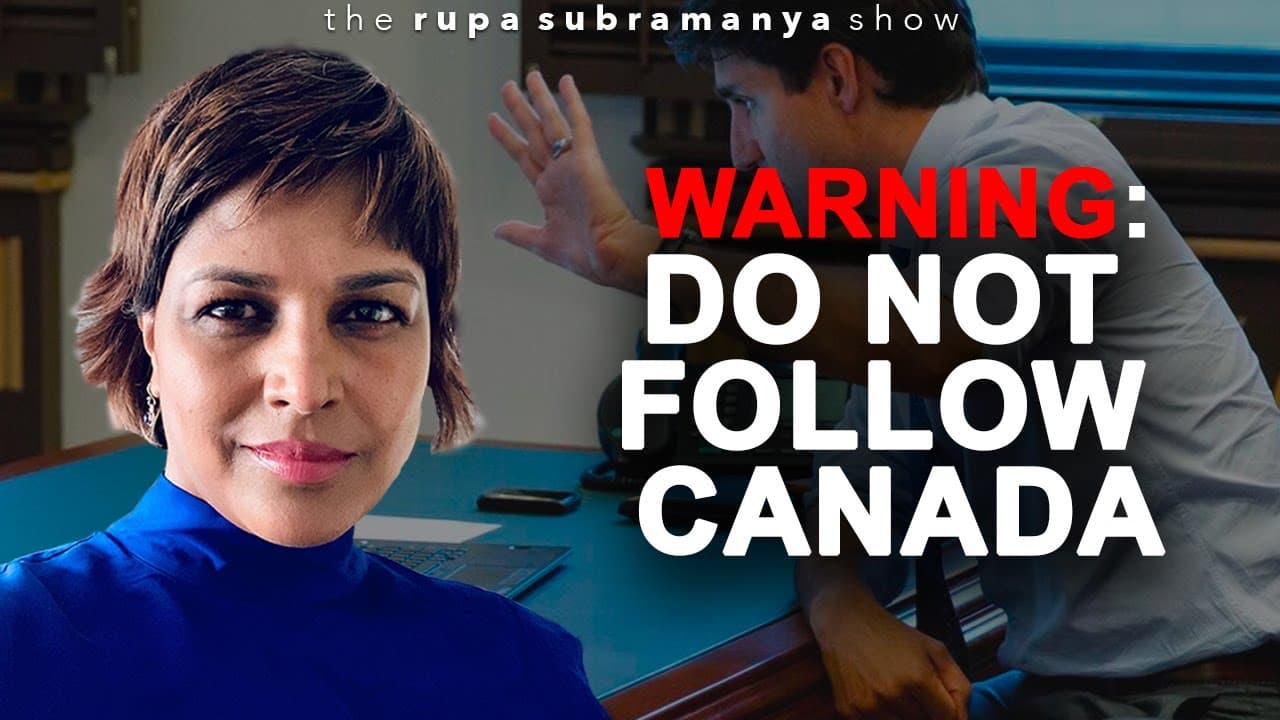
Free speech is increasingly threatened in Canada, as evidenced by government censorship tactics like those during the Freedom Convoy protests and the negative impact of the Online News Act on independent journalism. Rupa Subramania highlights that Canada's protections for free speech are weaker than those in the U.S., warning that if these rights continue to erode, it could set a dangerous precedent for other democracies.
Transcript
welcome to the Rupa submania show everybody I'm your host Rupa submania now last week I had the privilege of testifying before the US House of Representatives committee on the Judiciary select subcommittee on the weaponization of government chaired by representative Jim Jordan of Ohio I was testifying on behalf of the Free Press in the US where I a... Read More
Key Insights
- 😮 Government overreach during the Freedom Convoy protests exemplifies rising censorship in Canada, affecting individuals like Danny Bulford.
- 🔉 The Online News Act symbolizes a structural bias favoring legacy media while undermining independent journalism, crucial for diverse news landscapes.
- 🥶 Canada's protections for free speech are comparatively weaker than those in the U.S., risking further governmental control over dissenting voices.
- 🥶 The societal impact of anti-free speech legislation in Europe could set a troubling precedent for how other democracies respond to dissent.
- 🥶 Historical narratives surrounding free speech underscore its importance in democratic societies but are increasingly overlooked in contemporary discourse.
- 🙈 The chilling effects of social stigma and public humiliation pose indirect forms of censorship, as seen in Richard Btoo's tragic story.
- 😚 Vigilance in protecting free speech is imperative, as losing strongholds like the U.S. could have cascading effects globally.
Install to Summarize YouTube Videos and Get Transcripts
Explore YouTube Video Summarizer or Get YouTube Transcript Extractor
Questions & Answers
Q: What are the main points Rupa Subramania raises about free speech in Canada?
Rupa Subramania emphasizes the concerning trend of government censorship in Canada, illustrated by cases like the Freedom Convoy protests and the repercussions faced by individuals who express opposing views. She argues that systemic censorship is eroding the fundamental values of free speech protected in other democracies.
Q: How did the Canadian government's actions affect independent journalists?
Subramania discusses the implications of the Online News Act, which mandates financial contributions from social media companies to legacy media. This disproportionately disadvantages independent journalists, as many rely on social platforms for visibility and funding. The legislation jeopardizes the survival of smaller media outlets and undermines diverse voices.
Q: What specific examples did Rupa provide from the Freedom Convoy protests?
She shared the story of Danny Bulford, a former RCMP officer who was arrested during the Freedom Convoy protests for not getting vaccinated. Following his release, he was debanked without charge, demonstrating the terrifying consequences individuals faced merely for holding dissenting views in a democratic society.
Q: What are the implications of the proposed legislation in Ireland regarding free speech?
Rupa pointed to the upcoming Irish legislation, deemed as a potential global exemplar of draconian censorship. With vague definitions of hate speech, the law could punish individuals for mere possession of “offensive” materials, raising alarming questions about free expression and potentially leading to penalization for unshared thoughts.
Q: How does free speech protection in Canada compare to that in the U.S.?
Rupa highlights that the U.S. Constitution offers stronger protections for free speech, requiring a high threshold for censoring speech that poses an imminent threat. In contrast, Canada lacks robust constitutional safeguards, risking further encroachment of governmental power over individual expression.
Q: What historical context did Rupa provide regarding free speech?
She referenced the historical significance of free speech as a core principle in Western civilization, rooted in Enlightenment thinkers like Kant and Hume. According to Rupa, robust free expression is essential for open debate and the functioning of a civilized society, an idea currently under threat in Canada.
Q: What was the media's response to Rupa's testimony in Canada?
Despite her testimony gaining coverage in U.S. media outlets like Fox News, Rupa noted it received no attention in Canadian legacy media. This lack of coverage reflects the media's reluctance to report on issues that challenge the prevailing government narrative, highlighting censorship in journalism itself.
Summary & Key Takeaways
-
Rupa Subramania testified before the U.S. House about growing censorship in Canada, highlighting stories of individuals impacted adversely by government actions against dissenters and independent media.
-
She shared three experiences illustrating governmental overreach, including the harsh consequences faced by those opposing COVID-19 mandates and the impact of the Online News Act on independent journalism.
-
Subramania stressed the weakening of free speech protections in Canada compared to the U.S., warning that the erosion of these rights could set a dangerous precedent for other democracies.
Read in Other Languages (beta)
Share This Summary 📚
Summarize YouTube Videos and Get Video Transcripts with 1-Click
Try YouTube Summary with ChatGPT & Claude or YouTube Transcript Generator
Explore More Summaries from True North 📚
Summarize YouTube Videos and Get Video Transcripts with 1-Click
Try YouTube Summary with ChatGPT & Claude or YouTube Transcript Generator