How to Build a Unique Startup Without Copying
TL;DR
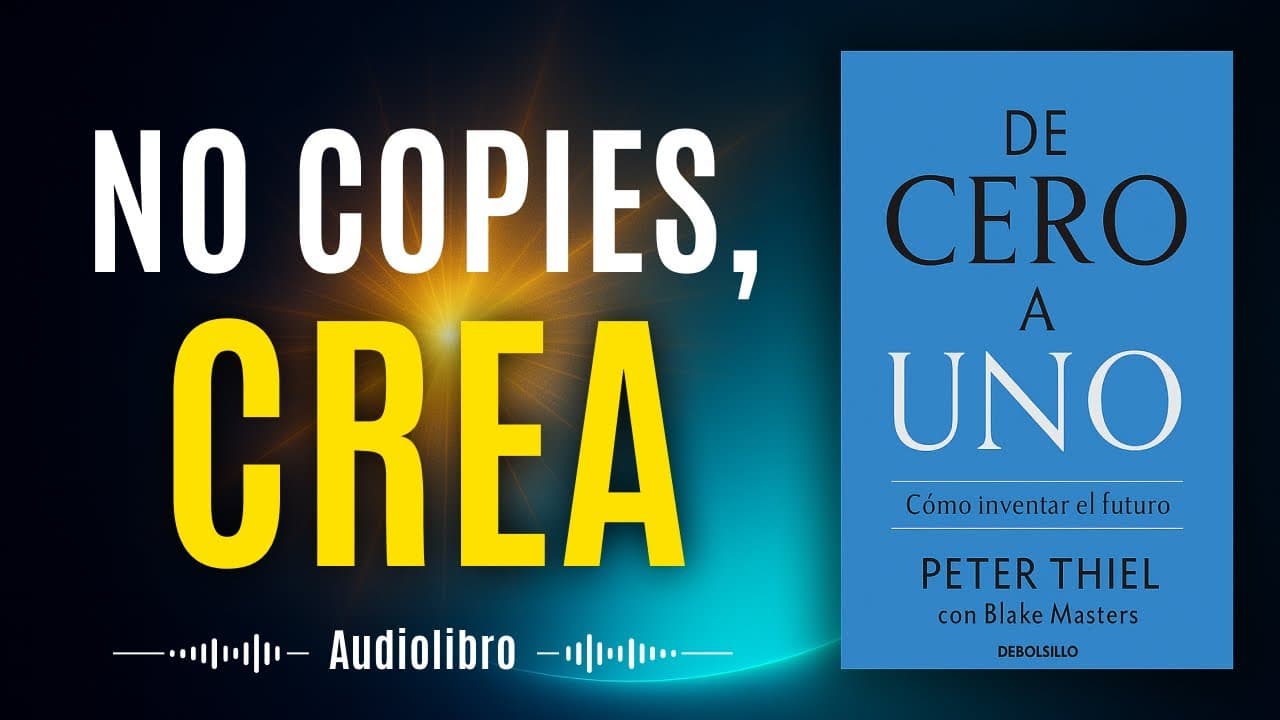
Create something unique instead of copying businesses that already exist or competing inside saturated markets. The central approach is to identify opportunities others overlook, establish a creative monopoly, build with people and technology, and maintain a long-term vision. Genuine innovation moves a project from zero to one by producing something new with meaningful impact.
Transcript
I'm a member of the Ritz Carlton Reserve you know how much my me membership was it wasn't free it was 100 Grand so I am actually the youngest active member at the Ritz Carlton Reserve I also live in Puerto Rico 21 years old and the next person with an active membership is 25 years old reason why I know this is because when I got my membership they ... Read More
Key Insights
- Innovation is the act of building something new rather than reproducing what already exists. The summary frames meaningful entrepreneurial progress as moving from zero to one, where founders create a distinct product, company, or market instead of adding another copy to a crowded field.
- The key to avoiding saturated competition is to create a market of your own. The material argues that entrepreneurs should not treat competition as the only path to success, because a unique offering can establish a creative monopoly and provide a more differentiated position.
- Creative monopolies are built through uniqueness rather than imitation. The summary presents them as an entrepreneurial objective connected to creating real impact, thinking differently, and resisting the common error of copying existing businesses simply because their models are already visible.
- Innovative ideas are described as emerging outside consensus. The description says genuinely innovative ideas arise in silence rather than agreement, suggesting that overlooked opportunities may exist where prevailing opinions do not direct attention and where few people are currently looking.
- Long-term vision is important for any entrepreneurial project. The material connects durable company building with thinking beyond immediate competition, establishing a distinctive position, and considering the advantage of being the last significant mover rather than merely being another early participant.
- Strong startup foundations include attention to people, culture, and team mechanics. A chapter on foundations and the mechanics of the mafia is paired with discussions of money and technology, presenting company creation as more than developing an isolated idea or product.
- People and machines are presented as a major dimension of startup thinking. The chapter structure treats the relationship between human activity and technology as part of the broader challenge of creating innovative companies with distinctive, lasting value.
- Copying is identified as a major entrepreneurial mistake. The conclusion, summarized as "No Copies, Create," reinforces the main prescription: seek opportunities others miss, build something original, and pursue meaningful impact instead of repeating established approaches in crowded markets.
Install to Summarize YouTube Videos and Get Transcripts
Explore YouTube Video Summarizer or Get YouTube Transcript Extractor
Questions & Answers
Q: How can entrepreneurs build something unique instead of copying?
Entrepreneurs can focus on opportunities that other people do not see, think beyond prevailing consensus, and design a product or company that creates a distinct market position. The material recommends moving from zero to one by producing something genuinely new. Its concluding instruction is to avoid copies, pursue originality, establish a creative monopoly, and maintain a long-term vision.
Q: What does moving from zero to one mean for startups?
Moving from zero to one means creating something new instead of reproducing an existing business or competing as another similar option in a saturated market. The source connects this idea with innovation, disruption, and meaningful impact. It is presented as a shift from imitation toward original company building, overlooked opportunities, and a market position based on uniqueness.
Q: Why should startups avoid competing in saturated markets?
Startups should avoid saturated markets when they can create a market of their own, because direct competition encourages businesses to resemble one another. The source presents uniqueness as the basis for a creative monopoly. Rather than copying visible models, entrepreneurs are encouraged to identify opportunities others miss and build something distinctive with a long-term position and meaningful impact.
Q: What is a creative monopoly in startup strategy?
A creative monopoly is presented as a company position built by creating something unique instead of copying competitors. The source contrasts this approach with fighting inside saturated markets and says the key is to create your own market. Building such a position involves original thinking, finding overlooked opportunities, maintaining a long-term vision, and delivering something with genuine impact.
Q: How can founders find opportunities that others overlook?
Founders can look beyond consensus and examine possibilities that are not already attracting widespread agreement or imitation. The description says truly innovative ideas arise in silence rather than consensus and emphasizes finding opportunities nobody else sees. This approach requires thinking differently, resisting the temptation to copy established companies, and pursuing an original idea with a long-term vision.
Q: Why is long-term vision important for entrepreneurs?
Long-term vision helps entrepreneurs build a distinctive project rather than react only to immediate competition. The material identifies vision as important for any project and pairs it with the advantage of being the last mover. It also connects lasting company building with creative monopolies, strong foundations, overlooked opportunities, financial understanding, and thoughtful use of people and machines.
Q: What startup topics are connected to creating an original company?
The summary connects original company creation with the challenge of the future, lessons associated with 1999, differences among successful companies, the advantage of being the last mover, following the money, startup foundations, team mechanics, and the relationship between people and machines. Together, these topics support the concluding principle that entrepreneurs should create instead of copying.
Q: What is the biggest mistake entrepreneurs should avoid?
The biggest entrepreneurial mistake identified in the description is copying instead of creating. Reproducing existing models can place a company inside a saturated market where it must compete with similar businesses. The recommended alternative is to develop something original, find opportunities others have missed, establish a creative monopoly, think differently, and maintain a vision focused on long-term impact.
Summary & Key Takeaways
-
The central challenge for entrepreneurs is choosing creation over imitation. Instead of copying established companies or entering saturated markets, founders should pursue overlooked opportunities and build something genuinely new. The book summary presents this movement from zero to one as the foundation of innovation, differentiation, disruption, and meaningful entrepreneurial impact.
-
Creative monopolies arise when companies become distinct rather than competing as interchangeable copies. The discussion connects uniqueness with finding opportunities that others cannot see, following the money, and considering the advantage of being the last important mover. These ideas encourage entrepreneurs to prioritize durable market positions over constant direct competition.
-
Long-term success also depends on strong foundations, effective team mechanics, and a thoughtful relationship between people and machines. The chapters connect startup creation with company culture, technological innovation, financial understanding, and sustained vision. The concluding principle is direct: founders should stop copying existing models and create something original instead.
Read in Other Languages (beta)
Share This Summary 📚
Summarize YouTube Videos and Get Video Transcripts with 1-Click
Try YouTube Summary with ChatGPT & Claude or YouTube Transcript Generator
Explore More Summaries from Libros en 20 minutos 📚

Summarize YouTube Videos and Get Video Transcripts with 1-Click
Try YouTube Summary with ChatGPT & Claude or YouTube Transcript Generator