What's happened to Childhood - Professor Hugh Cunningham
TL;DR
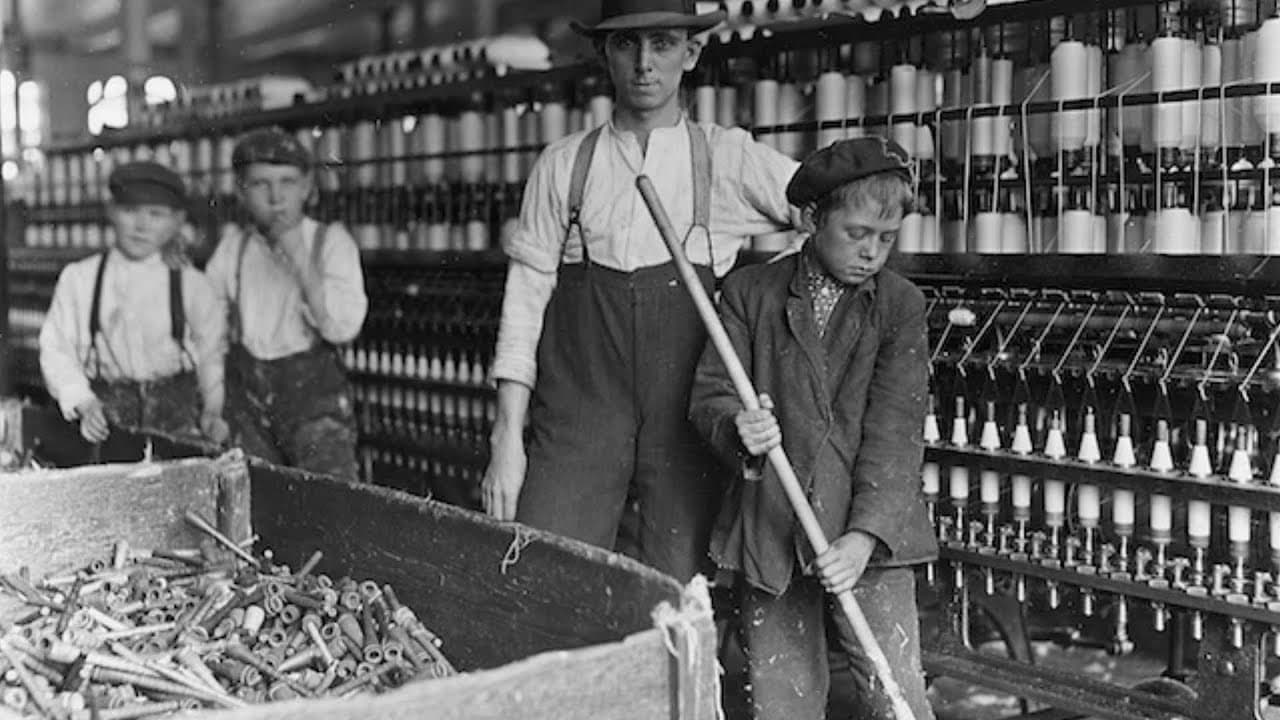
The content explores the two narratives about childhood - the progressive and positive narrative and the negative and depressing narrative - and their impact on how we perceive children and childhood.
Transcript
thank you very much well thank you for coming out on a wet and um travel interrupted evening I got on the train at faam I was told it was going to go slow because of danger of floods and thought I wouldn't get here but here I am and what I want to tell you this evening is a story of two narratives about childhood one's Progressive and positive and ... Read More
Key Insights
- ❎ The content highlights the two narratives about childhood: the optimistic and progressive narrative and the negative and alarming narrative.
- 👶 It discusses the historical factors that have shaped these narratives, such as the Industrial Revolution and changes in societal attitudes towards children.
- 👶 The content highlights the impact of societal narratives on policy decisions and societal perceptions of children and childhood.
- 🫚 It suggests that the negative narrative is often rooted in Romantic ideals of childhood innocence and vulnerability.
- ❓ The content discusses the importance of considering the societal context and evidence when evaluating the truthfulness of these narratives.
- 👶 It explores how narratives about childhood can impact adult attitudes and behaviors towards children, and the implications this has for children's well-being.
- 🥺 The content suggests that striving for equality and acknowledging children's competence can lead to a more positive and realistic view of childhood.
Install to Summarize YouTube Videos and Get Transcripts
Explore YouTube Video Summarizer or Get YouTube Transcript Extractor
Questions & Answers
Q: How have narratives about childhood evolved over time?
The content explains how narratives about childhood went from a story of progress and rescue to a more negative and alarming perspective influenced by societal changes and economic factors.
Q: What impact do these narratives have on how we view children and childhood?
The narratives shape how we perceive children, leading to contrasting views about their well-being and experiences. They also influence the policies and actions taken to address children's issues.
Q: Are the narratives about childhood based on facts?
The content suggests that while there is some truth to both narratives, there is also a tendency to conflate correlation with causation and focus on negative aspects without acknowledging positive developments.
Q: How do narratives about childhood affect societal attitudes and behaviors towards children?
The narratives can influence how adults understand and interact with children, either placing them in a vulnerable and protected category or recognizing their competence and agency.
Summary & Key Takeaways
-
The content discusses the contrasting narratives about childhood - one optimistic and progressive, the other negative and alarming.
-
It highlights how the perception of English children has shifted from a story of progress to one of decline and crisis.
-
The content explores the factors that have influenced these narratives, such as the Industrial Revolution and societal changes.
Read in Other Languages (beta)
Share This Summary 📚
Summarize YouTube Videos and Get Video Transcripts with 1-Click
Try YouTube Summary with ChatGPT & Claude or YouTube Transcript Generator
Explore More Summaries from Gresham College 📚


Summarize YouTube Videos and Get Video Transcripts with 1-Click
Try YouTube Summary with ChatGPT & Claude or YouTube Transcript Generator